
How the US Strategic Petroleum Reserve functions and the reasons behind its current use

Understanding the US Strategic Petroleum Reserve
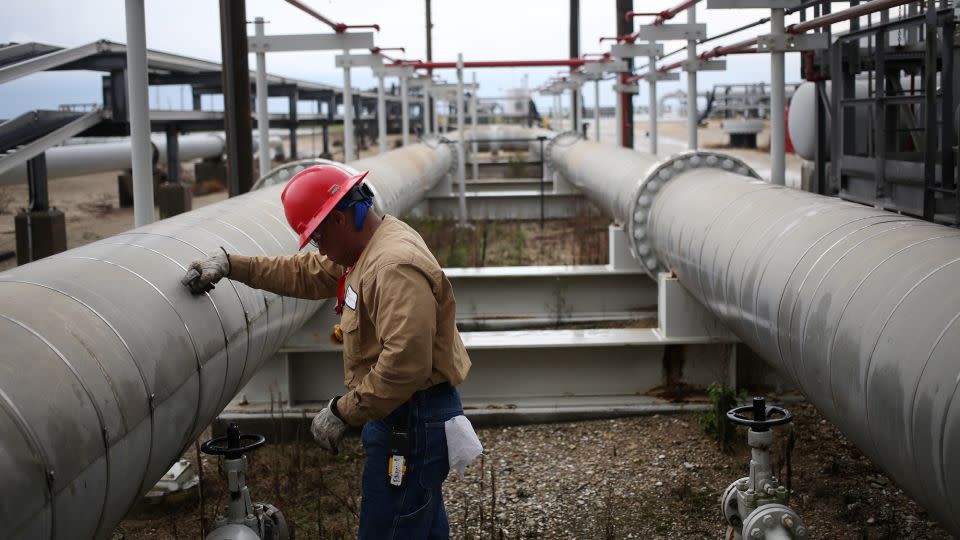
As conflict continues in the Middle East, global oil prices have surged. In response, the United States is tapping into its vast emergency oil reserves stored deep within salt caverns to help stabilize costs.
The US Department of Energy (DOE) recently revealed plans to release 172 million barrels of oil from the Strategic Petroleum Reserve (SPR).
What Is the Strategic Petroleum Reserve?
The SPR stands as the largest emergency crude oil stockpile in the world. Established by the US government in 1975, its purpose is to shield the nation’s economy from severe oil supply interruptions.
This reserve consists of more than 60 enormous underground salt caverns located along the Gulf Coast, each owned and managed by the federal government.
These caverns are immense—about 200 feet wide and over 2,500 feet high, nearly matching the combined height of two Empire State Buildings stacked together.
At maximum capacity, the SPR can hold upwards of 700 million barrels of oil. However, the actual amount fluctuates as oil is added or withdrawn. After significant releases prompted by the 2022 spike in prices following Russia’s invasion of Ukraine, the reserve currently contains about 415 million barrels, according to the latest data.
The United States maintains roughly one-third of the emergency oil reserves held by International Energy Agency (IEA) member countries. Collectively, IEA nations possess over 1.2 billion barrels of emergency reserves, helping member states manage major supply disruptions.
How Is Oil Added to the Reserve?
The Department of Energy typically purchases crude oil on the open market to fill the SPR, especially when prices are low. In addition, the government sometimes acquires oil through exchange deals with private companies, where companies borrow oil from the reserve and later return it with extra barrels, similar to repaying a loan with interest.
The SPR also serves as a storage site for surplus oil during periods of reduced demand. For example, during the COVID-19 pandemic, companies were permitted to store excess crude in the reserve when consumption plummeted.
When Is Oil Released from the SPR?
The United States has drawn from the SPR during both domestic and international emergencies, such as natural disasters or geopolitical events that disrupt oil supplies, including the recent closure of the Strait of Hormuz.
The president has the authority to order emergency releases. Once authorized, the Department of Energy sells the oil to the highest bidders, usually large refining, trading, and oil companies.
Because the SPR is connected to pipelines and marine terminals along the Gulf Coast, oil can reach US refineries within about 13 days after a presidential release order.
Releases aren’t limited to emergencies. The Secretary of Energy can also approve test sales or temporary exchanges with private companies during regional supply interruptions, such as those caused by Hurricane Katrina in 2005.
Disclaimer: The content of this article solely reflects the author's opinion and does not represent the platform in any capacity. This article is not intended to serve as a reference for making investment decisions.
You may also like
Ethereum Price Pushes Higher as Bulls Fuel Market Optimism
BTC falls below $71,000
Crypto Short Liquidations Hit $96M in One Hour
Altcoin Selloff Deepens: 5 U.S. Crypto Coins Traders Are Monitoring as Prices Hit Key Levels
Crypto prices
More





