
Profits plummet 92%, Porsche plans to build a supercar even more expensive than the 918

Show original
By:爱范儿
Bitget offers a variety of ways to buy or sell popular cryptocurrencies.Buy now!
A welcome pack worth 6200 USDT for new users!Sign up now!
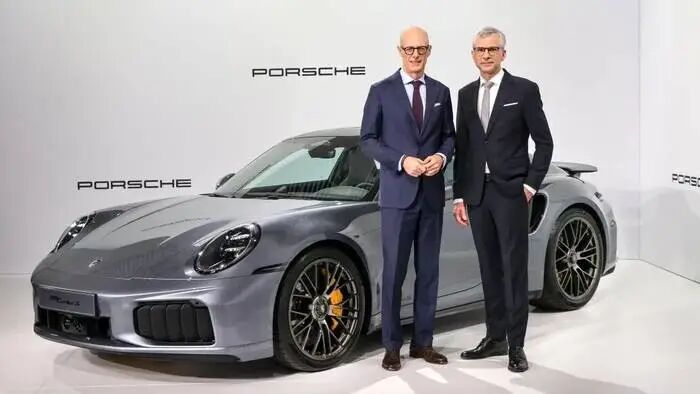
On March 11, Porsche released its dismal financial results at the global annual press conference— Annual operating income was 36.27 billion euros, a year-on-year decline of 9.5%; sales profit plummeted by 92.7%, to only 413 million euros. In terms of sales, Porsche delivered about 279,000 vehicles globally, down approximately 10% year-on-year. Among them, the Chinese market was hit hardest, with only 42,000 vehicles delivered throughout the year—a sharp 26% decline year-on-year. 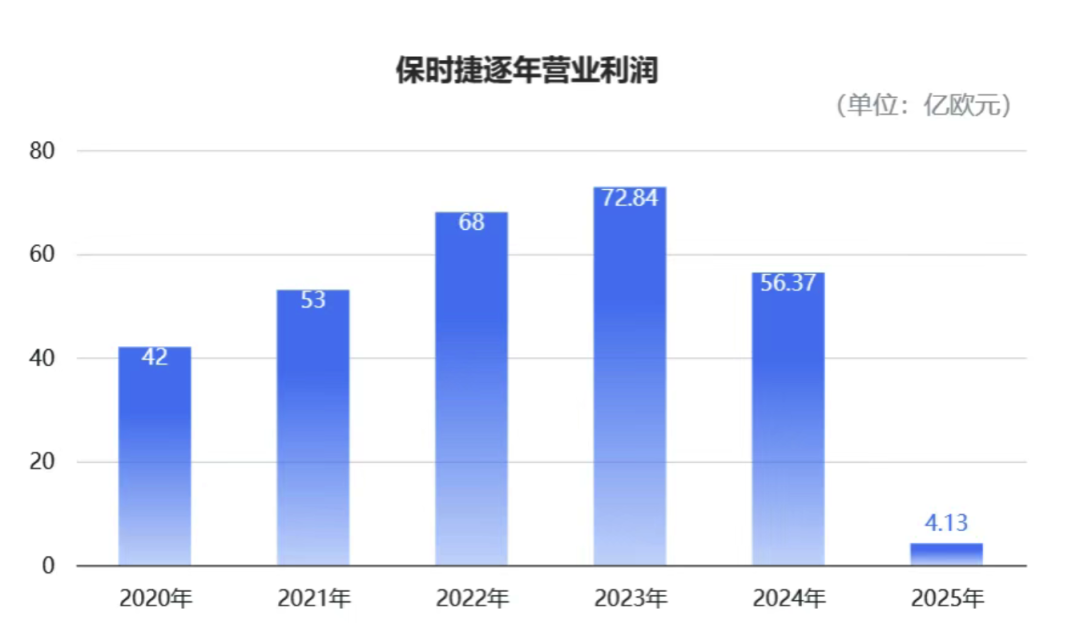 Infographic: Smart Car Reference Faced with such a grim situation, Porsche's new CEO, Oliver Blume, stated quite bluntly: “No one is satisfied with the current financial situation.” He even admitted that, as many key issues remained unresolved, the company had considered postponing this press conference at one point.
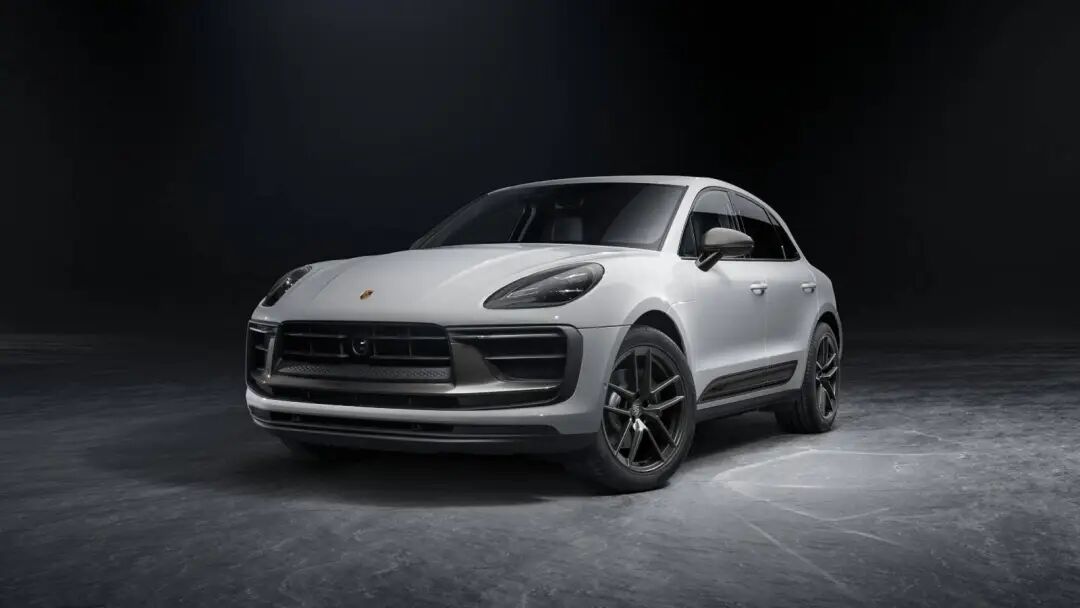
  Porsche’s current predicament is partly due to years of excessive product line expansion—an aggressive electrification transformation that has become misaligned with actual market demand. The flood of new models and variants has driven up management and manufacturing costs, but has not effectively translated into real market demand. Furthermore, due to strict new cybersecurity regulations in Europe, the gasoline Macan was forced to be discontinued in Europe in mid-2024, while both the 718 Boxster and Cayman have been absent from the European market for the entire year, directly impacting overall brand sales.
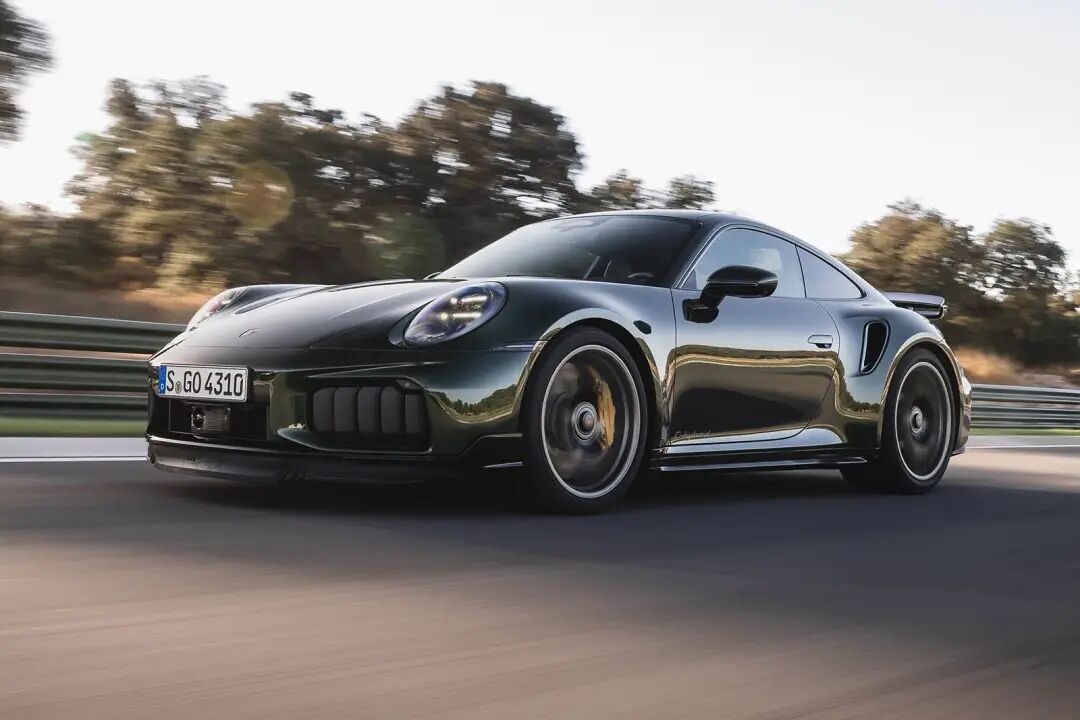
  In the face of these challenges, Porsche’s chosen solution is “streamlining and moving upmarket”: reducing the product line by cutting derivative models with weak demand, and focusing on higher-margin premium market segments. Thus, as profit shrank by more than 90%, Porsche released another piece of news: the company is considering developing a new flagship supercar. A Porsche spokesperson confirmed this during an interview: Flagship projects like the Porsche 959, Carrera GT, and 918 Spyder are a part of our DNA. We continually invest in high-performance sports cars. A recent example is the newly released 911 Turbo S. With its twin-turbocharged T hybrid system, this new top model delivers 711 horsepower, reaching supercar levels of performance. Furthermore, we are currently evaluating a variety of concepts for the GT and supercar segments. The business rationale is not difficult to understand—profits per unit for top-tier supercars far exceed those for high-volume SUVs. At a time when overall sales are unlikely to rebound quickly, boosting the value of each car to optimize profit structure is undoubtedly a pragmatic approach.
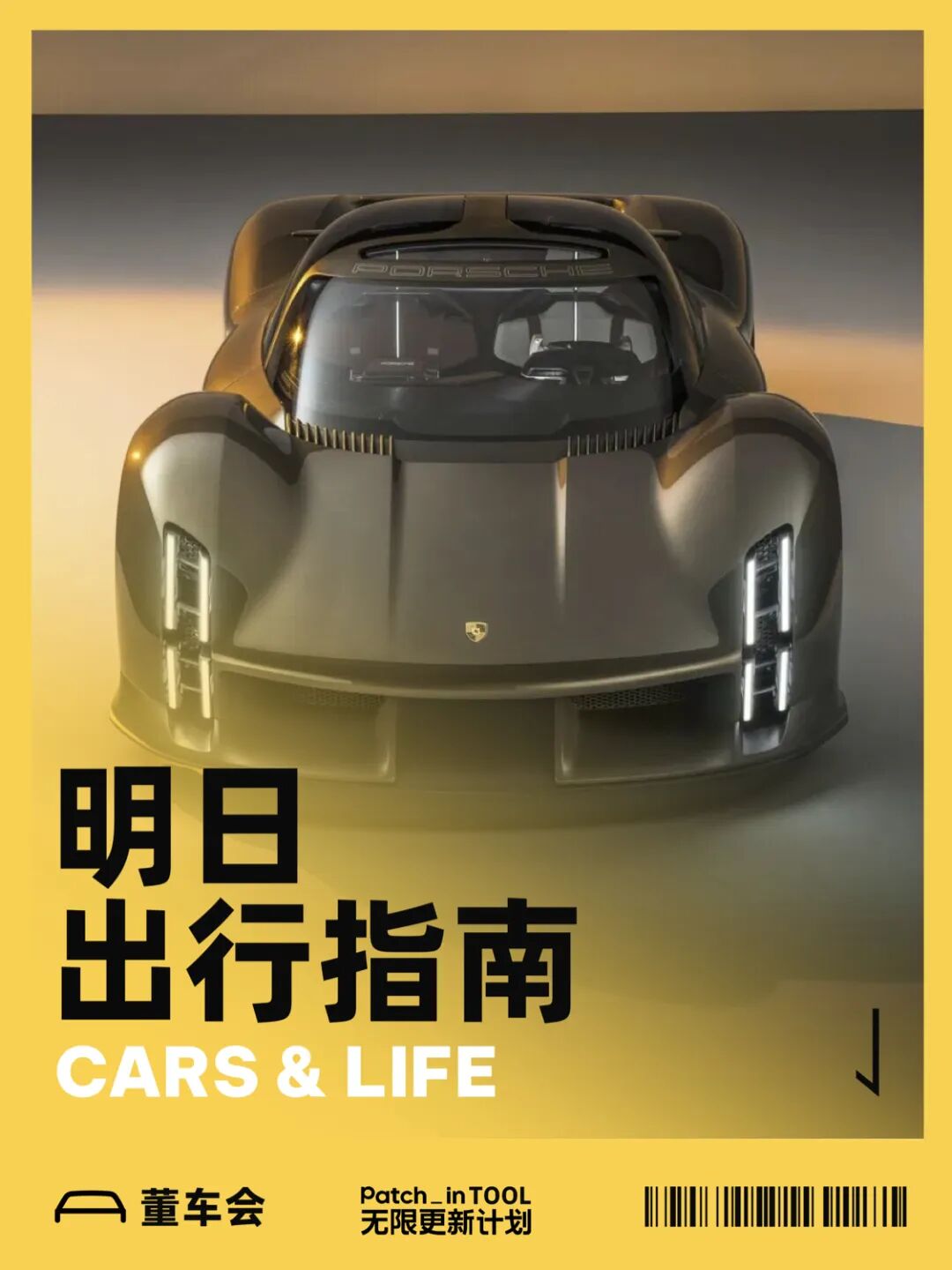
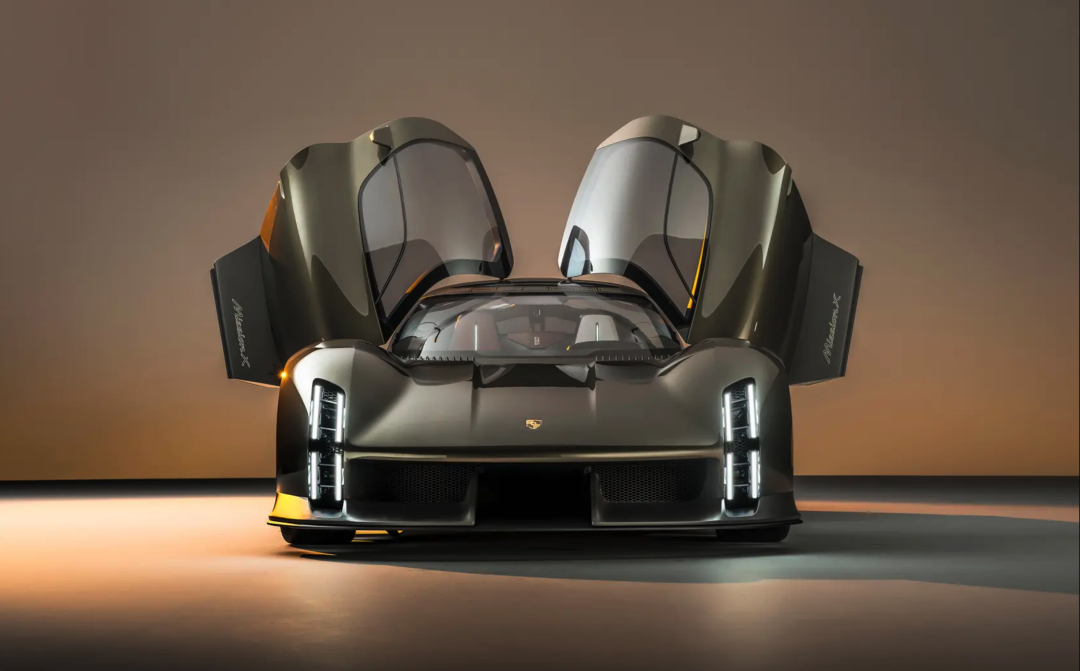
  The discussion around the new flagship supercar surfaced against this backdrop. So, what will this next-generation “918 Spyder successor” look like? Fans who have closely followed Porsche’s trends are likely to first think of 2023’s Mission X concept car. This car represents Porsche's most radical design to date: with its low, ground-hugging silhouette; exaggerated aerodynamic kit; and all-carbon-fiber body structure, the Mission X looks far more like a pure race car than a typical road-going sports car.
 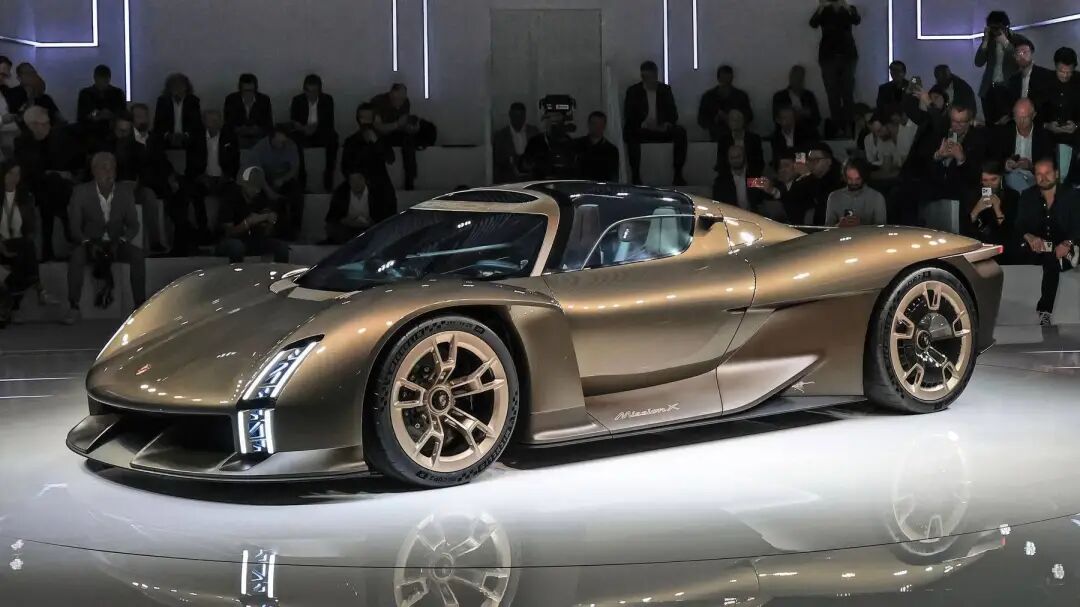 The Mission X concept adopts a fully electric powertrain, and Porsche set a bold goal for it: “to become the fastest production road car on the Nürburgring Nordschleife.” Given its positioning, its mission isn’t to replace the 911, but to stand at the pinnacle of the product pyramid, showcasing Porsche’s leading-edge technology in the current era. Combining official statements about “exploring the high-end segment above the 911,” the public has ample reason to speculate that the future production flagship may be developed based on Mission X.
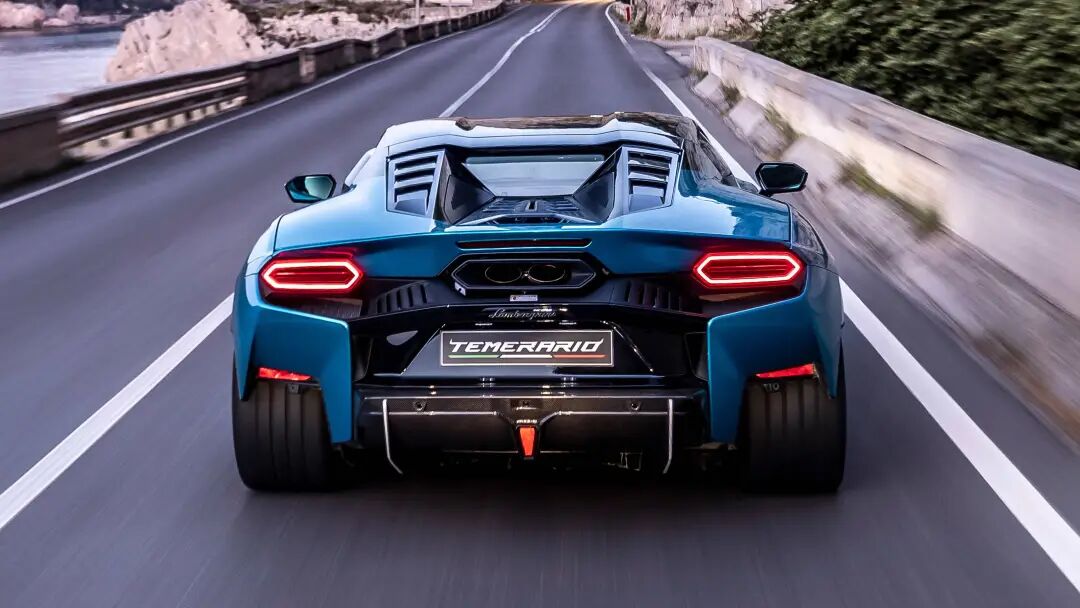
  But one key question remains unresolved: if this car actually enters production, will it be a pure electric supercar, or will it retain a fuel or hybrid system? Although the Mission X concept is fully electric, the sales performance of pure electric supercars in the ultra-luxury segment over the past two years has been less than stellar. Even Lamborghini ultimately decided to keep internal combustion engines for its two flagship supercars—Revuelto and Temerario—using high-performance hybrid systems instead. As Porsche's brother brand within the Volkswagen Group, Lamborghini’s choice underscores an industry consensus: at this price range, top buyers are not just paying for ultimate performance figures, but are also seeking engine roars, mechanical sensations, and a pure, connected driving experience.
  Porsche itself has said the company “will continue to tap into residual demand for fuel vehicles” and is “extending the lifecycle of combustion and hybrid models.” Based on these clear signals, we can reasonably deduce that if the next-generation flagship supercar goes into production, it is unlikely to be fully electric; more likely, it will carry a large-displacement naturally aspirated or turbocharged engine, complemented by a high-performance hybrid system—striking Porsche’s optimal balance between ultimate performance and mechanical allure. It has been more than a decade since production of the previous generation flagship, the 918 Spyder, ended in 2015. Back in the day, it, along with the Ferrari LaFerrari and McLaren P1, were known as the “Holy Trinity” of hypercars, setting technical benchmarks for their time. However, during this decade-long gap, the arms race in the top-tier segment has not been on pause for Porsche.
 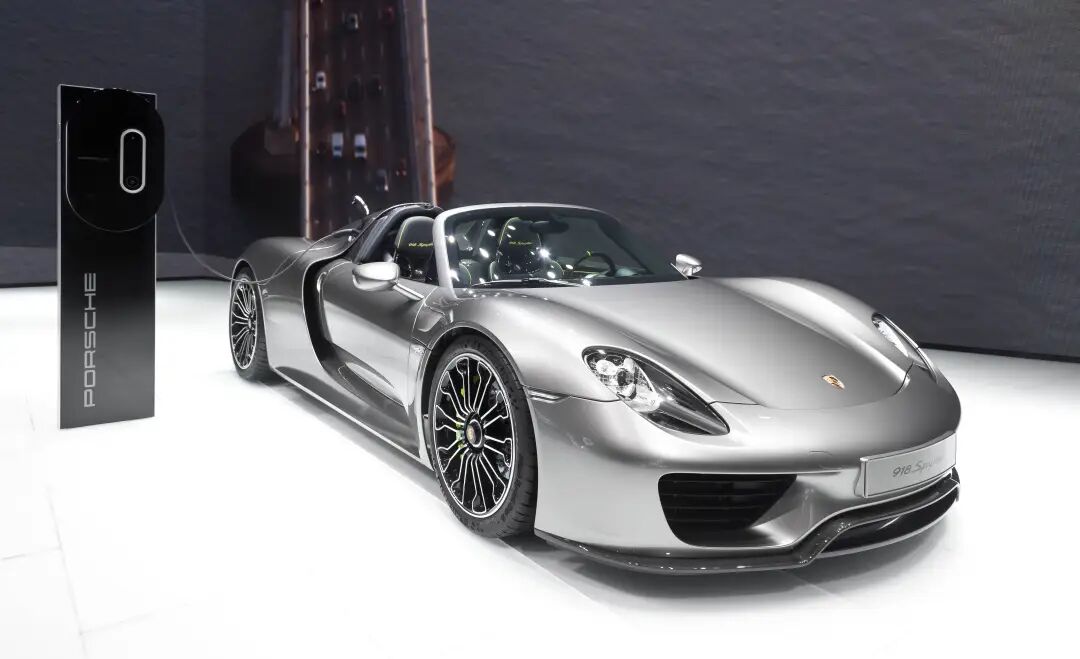 Now, the Ferrari F80 has made a stunning debut, with its V6 hybrid system delivering a combined 1,200 horsepower—limited to 799 units worldwide, and priced at over 4 million euros; McLaren has also launched the P1’s successor—the all-new flagship W1, whose hybrid system also surpasses 1,000 horsepower. If Porsche’s new flagship does get the green light, it must present highly persuasive specifications and innovation to regain its place in this fierce market competition.
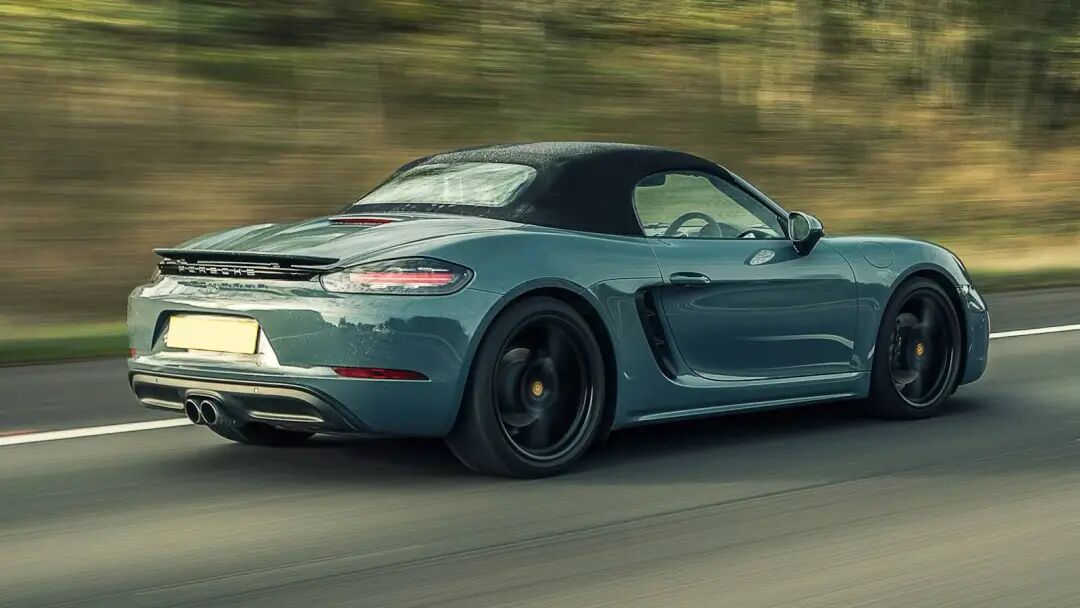
 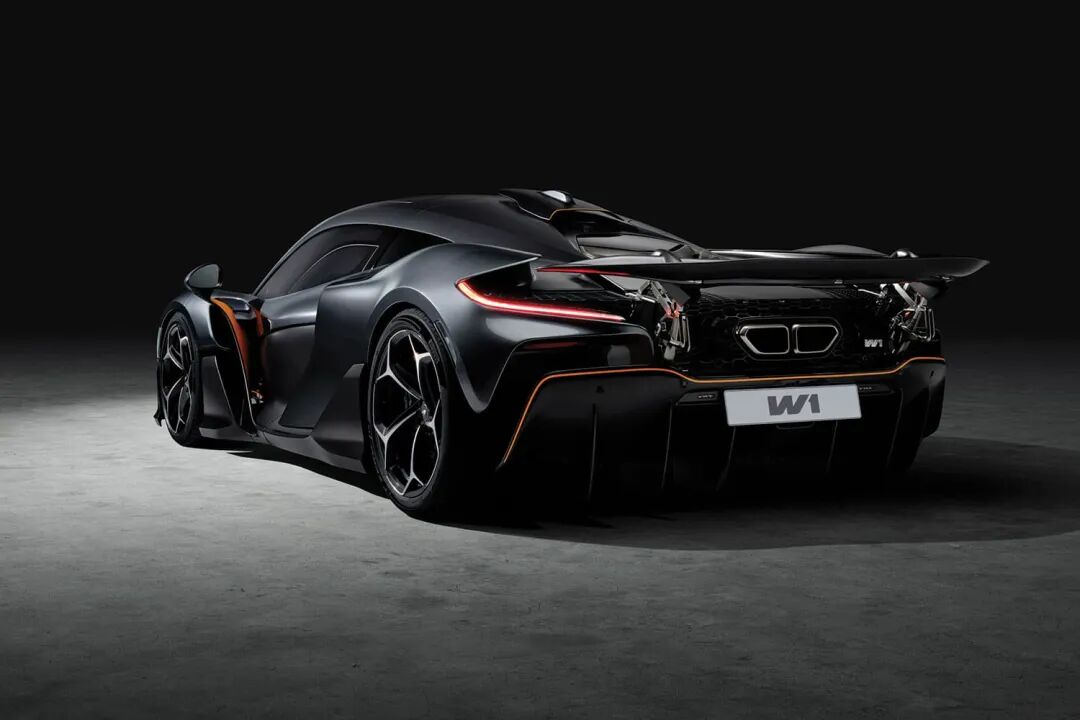 Currently, the whole project is still under evaluation, and Porsche has yet to make a production decision. Even if approved, it typically takes years from development to official launch, so most expect that it will be at least three to four years before we see the actual car. In the meantime, Porsche still faces a number of pressing issues: the gasoline Macan must overcome regulatory hurdles to return to Europe as soon as possible; the 718 series needs a serious sales revival; and there are high expectations that the brand new 911 GT2 RS—likely to debut in 2026—will rekindle the brand’s excitement.
  However, for those interested in the evolution of supercars, the wait itself is not discouraging. After all, great works always take time to perfect. The last time Porsche took the world’s breath away was that stunning moment when the 918 Spyder was unveiled at the Geneva Motor Show. And perhaps the next heart-racing moment is already on the way. Next time, it may already be on its way. Written by|Jiemu
Infographic: Smart Car Reference Faced with such a grim situation, Porsche's new CEO, Oliver Blume, stated quite bluntly: “No one is satisfied with the current financial situation.” He even admitted that, as many key issues remained unresolved, the company had considered postponing this press conference at one point. Porsche’s current predicament is partly due to years of excessive product line expansion—an aggressive electrification transformation that has become misaligned with actual market demand. The flood of new models and variants has driven up management and manufacturing costs, but has not effectively translated into real market demand. Furthermore, due to strict new cybersecurity regulations in Europe, the gasoline Macan was forced to be discontinued in Europe in mid-2024, while both the 718 Boxster and Cayman have been absent from the European market for the entire year, directly impacting overall brand sales. In the face of these challenges, Porsche’s chosen solution is “streamlining and moving upmarket”: reducing the product line by cutting derivative models with weak demand, and focusing on higher-margin premium market segments. Thus, as profit shrank by more than 90%, Porsche released another piece of news: the company is considering developing a new flagship supercar. A Porsche spokesperson confirmed this during an interview: Flagship projects like the Porsche 959, Carrera GT, and 918 Spyder are a part of our DNA. We continually invest in high-performance sports cars. A recent example is the newly released 911 Turbo S. With its twin-turbocharged T hybrid system, this new top model delivers 711 horsepower, reaching supercar levels of performance. Furthermore, we are currently evaluating a variety of concepts for the GT and supercar segments. The business rationale is not difficult to understand—profits per unit for top-tier supercars far exceed those for high-volume SUVs. At a time when overall sales are unlikely to rebound quickly, boosting the value of each car to optimize profit structure is undoubtedly a pragmatic approach. The discussion around the new flagship supercar surfaced against this backdrop. So, what will this next-generation “918 Spyder successor” look like? Fans who have closely followed Porsche’s trends are likely to first think of 2023’s Mission X concept car. This car represents Porsche's most radical design to date: with its low, ground-hugging silhouette; exaggerated aerodynamic kit; and all-carbon-fiber body structure, the Mission X looks far more like a pure race car than a typical road-going sports car. The Mission X concept adopts a fully electric powertrain, and Porsche set a bold goal for it: “to become the fastest production road car on the Nürburgring Nordschleife.” Given its positioning, its mission isn’t to replace the 911, but to stand at the pinnacle of the product pyramid, showcasing Porsche’s leading-edge technology in the current era. Combining official statements about “exploring the high-end segment above the 911,” the public has ample reason to speculate that the future production flagship may be developed based on Mission X. But one key question remains unresolved: if this car actually enters production, will it be a pure electric supercar, or will it retain a fuel or hybrid system? Although the Mission X concept is fully electric, the sales performance of pure electric supercars in the ultra-luxury segment over the past two years has been less than stellar. Even Lamborghini ultimately decided to keep internal combustion engines for its two flagship supercars—Revuelto and Temerario—using high-performance hybrid systems instead. As Porsche's brother brand within the Volkswagen Group, Lamborghini’s choice underscores an industry consensus: at this price range, top buyers are not just paying for ultimate performance figures, but are also seeking engine roars, mechanical sensations, and a pure, connected driving experience. Porsche itself has said the company “will continue to tap into residual demand for fuel vehicles” and is “extending the lifecycle of combustion and hybrid models.” Based on these clear signals, we can reasonably deduce that if the next-generation flagship supercar goes into production, it is unlikely to be fully electric; more likely, it will carry a large-displacement naturally aspirated or turbocharged engine, complemented by a high-performance hybrid system—striking Porsche’s optimal balance between ultimate performance and mechanical allure. It has been more than a decade since production of the previous generation flagship, the 918 Spyder, ended in 2015. Back in the day, it, along with the Ferrari LaFerrari and McLaren P1, were known as the “Holy Trinity” of hypercars, setting technical benchmarks for their time. However, during this decade-long gap, the arms race in the top-tier segment has not been on pause for Porsche. Now, the Ferrari F80 has made a stunning debut, with its V6 hybrid system delivering a combined 1,200 horsepower—limited to 799 units worldwide, and priced at over 4 million euros; McLaren has also launched the P1’s successor—the all-new flagship W1, whose hybrid system also surpasses 1,000 horsepower. If Porsche’s new flagship does get the green light, it must present highly persuasive specifications and innovation to regain its place in this fierce market competition. Currently, the whole project is still under evaluation, and Porsche has yet to make a production decision. Even if approved, it typically takes years from development to official launch, so most expect that it will be at least three to four years before we see the actual car. In the meantime, Porsche still faces a number of pressing issues: the gasoline Macan must overcome regulatory hurdles to return to Europe as soon as possible; the 718 series needs a serious sales revival; and there are high expectations that the brand new 911 GT2 RS—likely to debut in 2026—will rekindle the brand’s excitement. However, for those interested in the evolution of supercars, the wait itself is not discouraging. After all, great works always take time to perfect. The last time Porsche took the world’s breath away was that stunning moment when the 918 Spyder was unveiled at the Geneva Motor Show. And perhaps the next heart-racing moment is already on the way. Next time, it may already be on its way. Written by|Jiemu 
0
0
Disclaimer: The content of this article solely reflects the author's opinion and does not represent the platform in any capacity. This article is not intended to serve as a reference for making investment decisions.
Understand the market, then trade.
Bitget offers one-stop trading for cryptocurrencies, stocks, and gold.
Trade now!
You may also like
Amazon broadens its air freight operations to the northeastern region of India
101 finance•2026/03/13 15:03
Virtu Financial (VIRT) Recently Triggered a Golden Cross: Is It Time to Invest?
101 finance•2026/03/13 15:01
Trending news
MoreCrypto prices
More
Bitcoin
BTC
$72,586.3
+4.45%

Ethereum
ETH
$2,153.12
+5.42%

Tether USDt
USDT
$1
+0.00%

BNB
BNB
$669.6
+3.53%

XRP
XRP
$1.43
+4.35%

USDC
USDC
$0.9999
-0.01%

Solana
SOL
$90.93
+6.41%

TRON
TRX
$0.2903
+0.27%

Dogecoin
DOGE
$0.09789
+4.62%

Cardano
ADA
$0.2741
+5.63%
How to buy BTC
Bitget lists BTC – Buy or sell BTC quickly on Bitget!
Trade now
Become a trader now?A welcome pack worth 6200 USDT for new users!
Sign up now