
Beyond Protection: What Makes Cybersecurity ETFs the Most Popular War Investment Today?

Rising Middle East Tensions Ignite Cybersecurity Sector
The conflict in the Middle East reached a new level on February 28, 2026, as the United States and Israel launched Operation Epic Fury. What began as a regional military campaign has quickly expanded into a multi-front war, with digital warfare now playing a pivotal role alongside traditional military action.
As physical supply chains falter and communication systems come under attack, it has become clear that modern warfare extends far beyond missiles and tanks. While defense manufacturers are experiencing increased demand for equipment, the surge in cyber threats is fueling a boom in cybersecurity solutions and software defenses.
This shift positions cybersecurity companies—and the exchange-traded funds (ETFs) that invest in them—for substantial growth, as the need for digital protection becomes a core component of national security strategies.
Before exploring specific cybersecurity ETFs, it’s crucial to understand how the current conflict is driving demand for cyber defense, making digital security indispensable for nations and organizations alike.
The Cyber Battlefield: Surging Need for Digital Protection
There is a strong link between geopolitical unrest and the rising value of cybersecurity firms. In today’s conflicts, cyberattacks often serve as the opening move, disrupting enemy infrastructure before physical operations begin.
Following President Donald Trump’s announcement of U.S. military action in Iran, the country experienced a dramatic internet shutdown, with connectivity dropping to just 4% of normal levels. This suggests that cyber operations crippled nearly all of Iran’s internet traffic and disrupted its command systems.
Cybersecurity and threat intelligence providers—especially those safeguarding government, infrastructure, and financial networks in the U.S. and Israel—are poised to benefit from the heightened threat environment. Notable companies include:
- Palo Alto Networks (PANW): Their Unit 42 team is actively tracking Iranian cyber groups targeting U.S. and Israeli government systems.
- CrowdStrike (CRWD): Their AI-powered endpoint security is vital for the U.S. Department of Defense to counteract state-backed malware and ransomware.
- Check Point Software (CHKP): Based in Israel, they deliver essential firewall and network security for the Israeli government and military.
- Cloudflare (NET): Their services defend government websites and critical infrastructure from a surge in DDoS attacks since the conflict began.
- Radware (RDWR): This Israeli company is on the front lines, shielding networks from constant cyber assaults.
Why Consider Cybersecurity ETFs?
In the days following the U.S.-Israel offensive in Iran, shares of cybersecurity leaders such as PANW surged and have continued to climb. This upward momentum in individual stocks has also propelled cybersecurity ETFs, which provide diversified exposure to the sector.
For example, the First Trust Nasdaq Cybersecurity ETF—with top holdings in Palo Alto Networks and CrowdStrike—rose nearly 5% in early March, outperforming the flat S&P 500.
As the Middle East conflict underscores the persistent risk of cyberattacks, both governments and businesses are expected to sustain or increase their cybersecurity investments. This creates a favorable environment for cybersecurity ETFs, making them an attractive option for investors seeking strategic growth opportunities.
Top Cybersecurity ETFs to Watch
Given the current landscape, the following cybersecurity ETFs are worth considering:
-
First Trust NASDAQ Cybersecurity ETF (CIBR):
With assets totaling $9.83 billion, this fund invests in 32 companies focused on cybersecurity within the technology and industrial sectors. Its top holdings include CRWD (7.71%), PANW (7.70%), and NET (4.72%). Over the past year, CIBR gained 1.2% and jumped 3.8% since February 28, 2026. The fund charges a 0.58% fee and recently traded 1.78 million shares. -
Amplify Cybersecurity ETF (HACK):
Managing $1.97 billion in assets, HACK provides exposure to 23 companies delivering cybersecurity hardware, software, and services. NET ranks sixth (5.47%), PANW eighth (5.15%), and CRWD tenth (5.02%). CHKP is thirteenth (3.77%), and RDWR fifteenth (3.45%). HACK rose 5.6% in the past year and 6.6% since late February, with a 0.60% fee and 60,000 shares traded recently. -
Global X Cybersecurity ETF (BUG):
This fund holds $843.4 million in assets and invests in 29 companies benefiting from increased cybersecurity adoption. PANW leads (11.43%), followed by CRWD (6.19%), CHKP (5.92%), and RDWR (2.51%). BUG declined 18.9% over the past year but rebounded 6.5% since February 28, 2026. The fund charges 0.51% in fees and traded 450,000 shares in the last session.
Enhance Your Investment Strategy with Expert ETF Analysis
Stay ahead with Zacks’ exclusive Fund Newsletter, delivering timely insights, news, and top-performing ETF picks directly to your inbox every week.
This valuable resource is available at no cost—don’t miss out!
Subscribe now >>
Looking for the latest stock recommendations from Zacks Investment Research? Download the “7 Best Stocks for the Next 30 Days” for free. Get your copy here.
Further Research and Reports
- Check Point Software Technologies Ltd. (CHKP): Free Stock Analysis Report
- Radware Ltd. (RDWR): Free Stock Analysis Report
- Palo Alto Networks, Inc. (PANW): Free Stock Analysis Report
- Amplify Cybersecurity ETF (HACK): ETF Research Reports
- First Trust NASDAQ Cybersecurity ETF (CIBR): ETF Research Reports
- CrowdStrike (CRWD): Free Stock Analysis Report
- Cloudflare, Inc. (NET): Free Stock Analysis Report
- Global X Cybersecurity ETF (BUG): ETF Research Reports
Read the original article on Zacks Investment Research
Zacks Investment Research
Disclaimer: The content of this article solely reflects the author's opinion and does not represent the platform in any capacity. This article is not intended to serve as a reference for making investment decisions.
You may also like
Shiba Inu Price Analysis: Burn Rate Surges as SHIB Pumps +5%

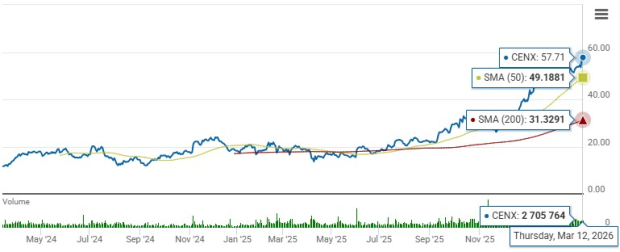
CENX Approaches Its 52-Week Peak: Strategies for Investing in This Stock
3 AI Stocks Entangled in the Iran Conflict—What Savvy Investors Should Consider in 2026

Trending news
MoreCrypto prices
More





