
Why Did Stock Indexes Close Lower This Week

Stock Market Turbulence Amid Rising Tensions
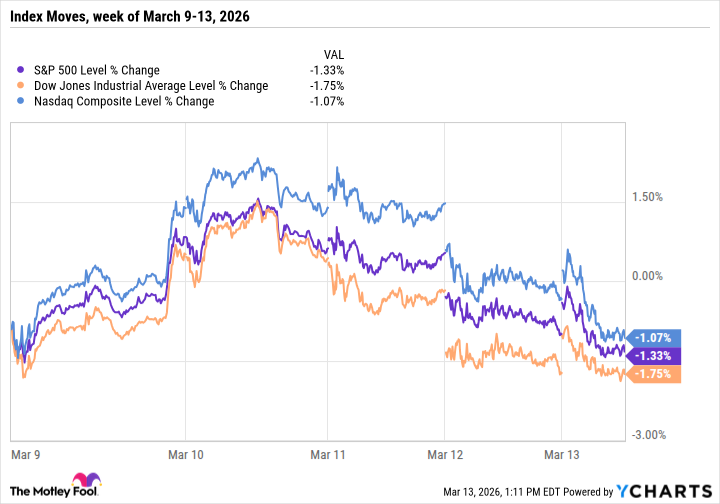
This week proved challenging for investors, as major stock indexes initially climbed on hopes for a swift resolution to the conflict in Iran. However, hostilities escalated, culminating in Iran blocking oil shipments through the vital Strait of Hormuz. This disruption sent oil prices soaring.
The surge in energy costs is particularly problematic as AI data centers are consuming unprecedented amounts of electricity, much of which is produced from oil and natural gas. The strain on energy supplies and rising demand are casting uncertainty over the global economy, impacting technology companies, financial institutions, and consumer brands. This week, energy producers and utility firms were the only sectors to see gains.
Energy Sector Gains Can't Offset Market Losses
Most stock indexes finished the week in negative territory. Although energy companies with minimal exposure to the Persian Gulf saw their shares rise, these gains were not enough to counteract the broader impact of elevated oil prices.
Energy stocks make up only 3.4% of the total market capitalization of the S&P 500 (SNPINDEX: ^GSPC). On the Nasdaq Composite (NASDAQINDEX: ^IXIC), which is dominated by technology firms, energy represents just 1% of the index. The Dow Jones Industrial Average (DJINDICES: ^DJI) includes only one energy company: Chevron (NYSE: CVX), whose share price just under $200 gives it a 2.4% weighting. Even a substantial increase in Chevron's stock would have minimal effect on the Dow overall.
The Magnificent 7 Suffer Significant Losses
The Dow was dragged down by a 6% decline in Goldman Sachs (NYSE: GS) and another 6% drop in Home Depot (NYSE: HD). The S&P 500 and Nasdaq Composite were heavily influenced by several of the Magnificent 7 stocks, each losing over $100 billion in market value during the week.
Amazon (NASDAQ: AMZN) experienced the largest decrease, with its market capitalization falling by $120 billion since last Friday. Amazon's $200 billion investment in AI-focused data centers this year is directly tied to the rising cost of electricity.
Image source: Getty Images.
The ongoing conflict in Iran is likely to continue shaping market sentiment until it subsides. While the downturn may feel severe, it does not yet qualify as a bear market. The three major indexes remain less than 7% below their recent record highs, and this week's declines were all under 2%.
Bear Market Criteria and Outlook
A bear market is officially recognized when the S&P 500 falls at least 20% from its recent peak. With tensions centered around Iran and the Strait of Hormuz, investors should be cautious but not alarmed—uncertain times may lie ahead.
Is Now the Time to Invest in the Dow Jones Industrial Average?
Before purchasing shares in the Dow Jones Industrial Average, consider the following:
- The Motley Fool Stock Advisor team has recently identified their top 10 stocks for investors right now—and the Dow Jones Industrial Average did not make the list. These selected stocks have the potential for exceptional returns in the coming years.
- When Netflix was recommended on December 17, 2004, a $1,000 investment would now be worth $508,607.*
- When Nvidia was recommended on April 15, 2005, a $1,000 investment would have grown to $1,122,746.*
Currently, Stock Advisor boasts an average return of 933%, far surpassing the S&P 500's 188%. Don't miss the latest top 10 picks—join a community of investors dedicated to helping each other succeed.
*Stock Advisor returns as of March 13, 2026.
Disclaimer: The content of this article solely reflects the author's opinion and does not represent the platform in any capacity. This article is not intended to serve as a reference for making investment decisions.
You may also like
Why Shares of American Outdoor Brands (AOUT) Are Declining Today
Why Nature's Sunshine (NATR) Stock Is Falling Today
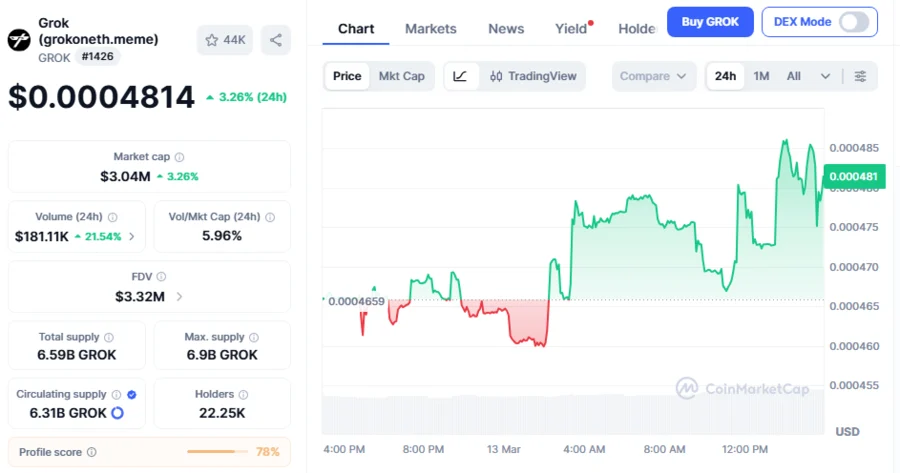
GROK Corrects To $0.0004846, Gets Ready For Next Leg Up With 100% Spike Ahead: Analyst
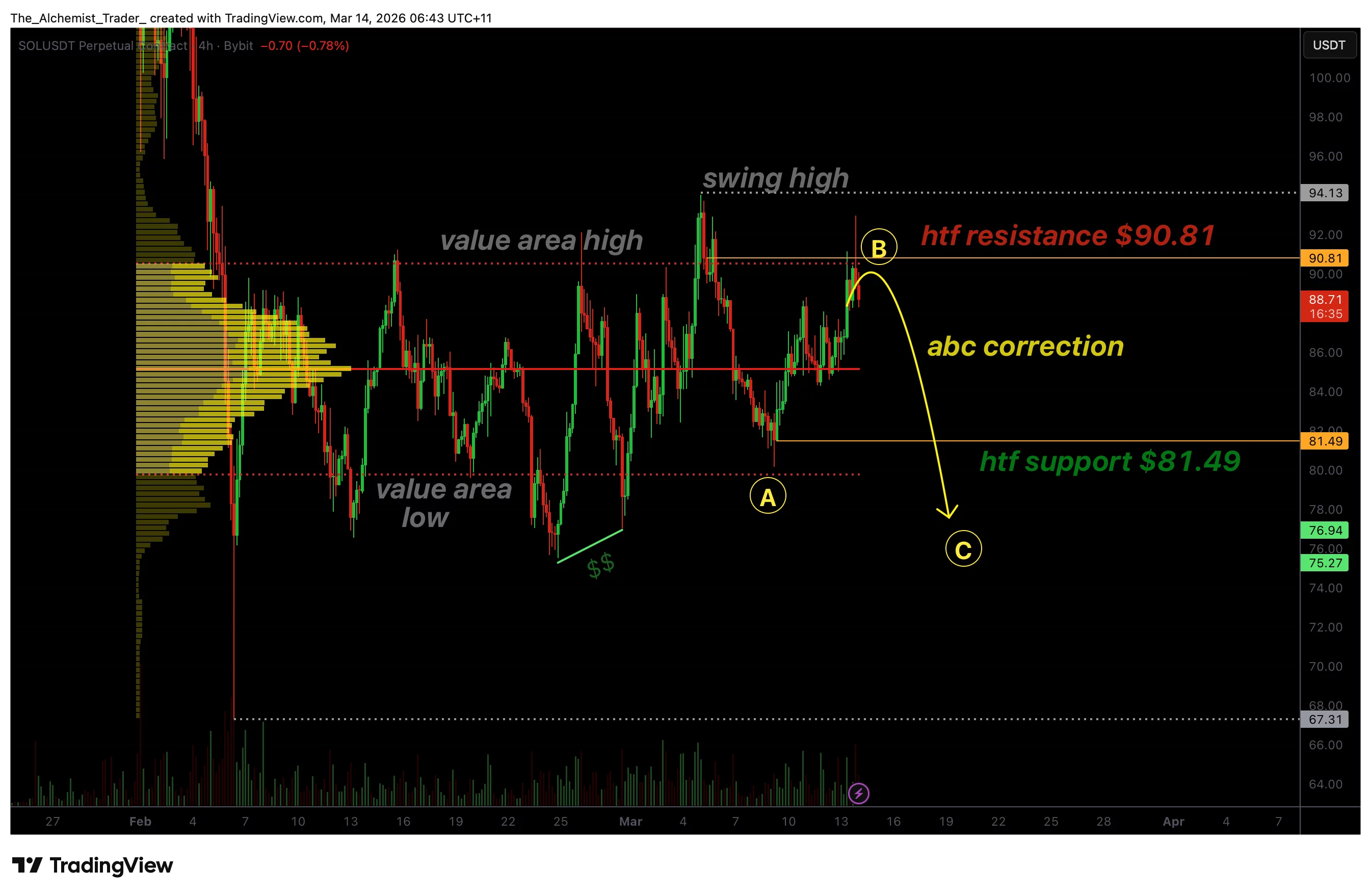
Solana price signals ABC correction after range-high rejection
Trending news
MoreCrypto prices
More





