
News
Stay up to date on the latest crypto trends with our expert, in-depth coverage.

1Bitcoin adoption ‘booming’ while price chops: Which metrics matter most?2SEC approval sought for JitoSOL Solana-based liquid staking token ETF3Crypto Biz: A Bitcoin treasury shareholder revolt

BP Increases Shale Production as It Shifts Focus to Worldwide Upstream Expansion
101 finance·2026/03/01 23:15
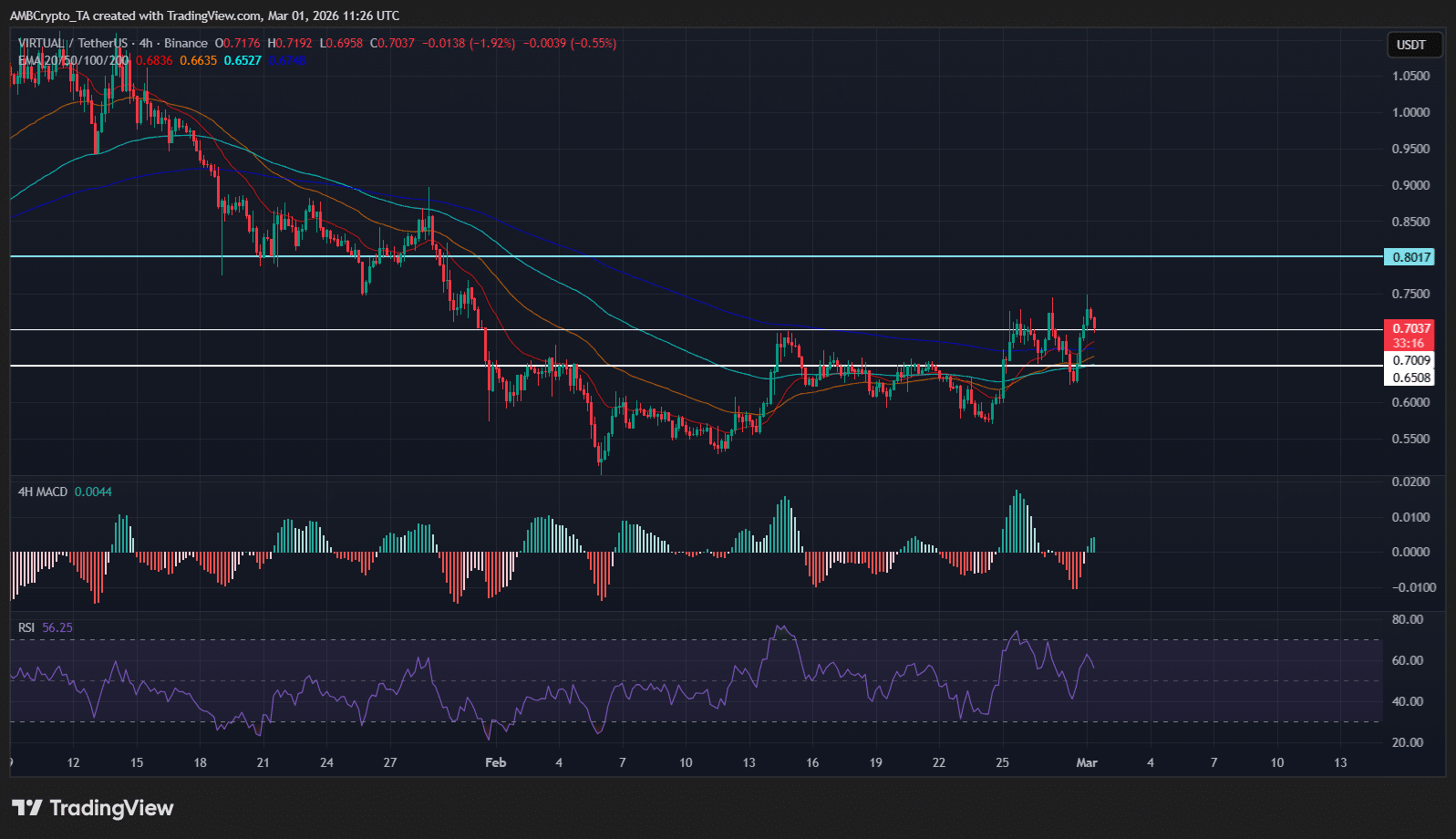
VIRTUAL rallies 9% toward key resistance – Is $0.85 the next stop?
AMBCrypto·2026/03/01 23:03

跑赢华尔街所有目标价!“AI大牛股”Palantir的高增长故事还能怎么讲?
moomoo-证劵·2026/03/01 21:12
The dollar jumps as investors prepare for the effects of conflict
101 finance·2026/03/01 20:45
Air cargo prices anticipated to surge amid intensifying Iran conflict
101 finance·2026/03/01 20:33
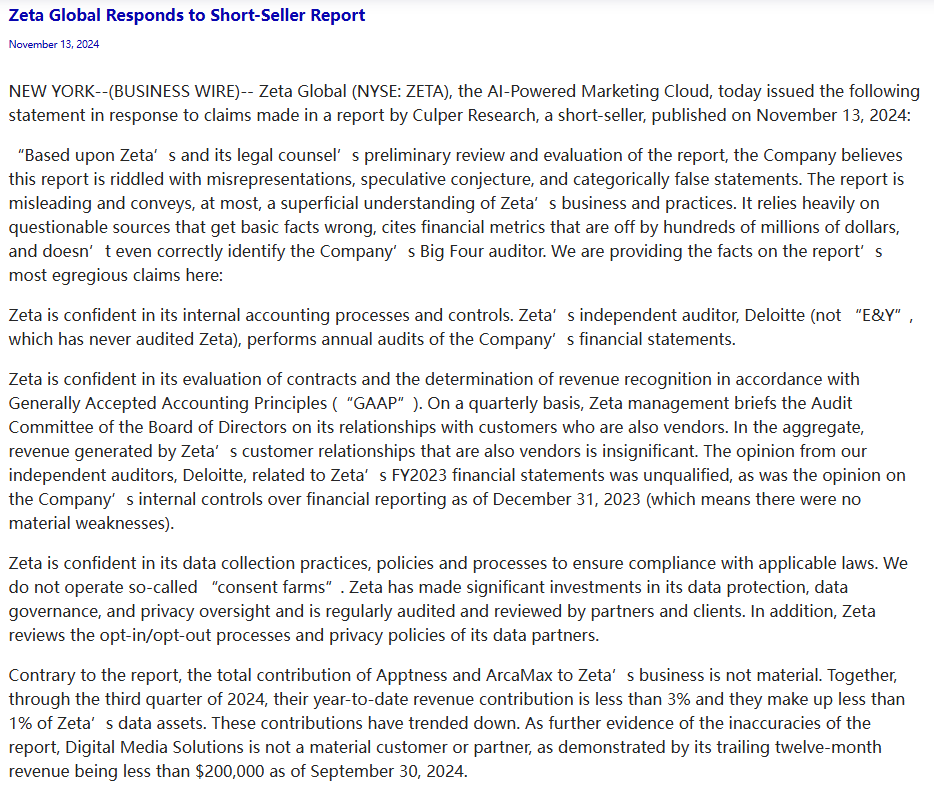
1亿美元回购计划+回应做空报告!ZETA盘前涨超20%,此前两日大跌超50%
moomoo-证劵·2026/03/01 20:06
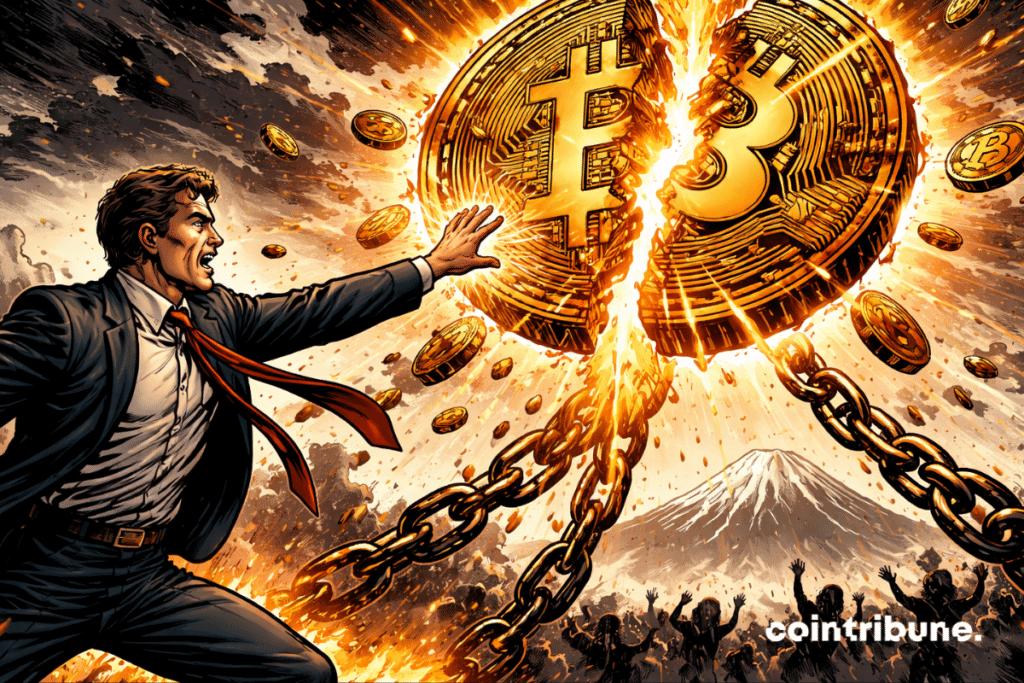
Mt. Gox’s Lost Bitcoin Could Be Reclaimed, Former CEO Proposes Rare Hard Fork
Cointribune·2026/03/01 19:45
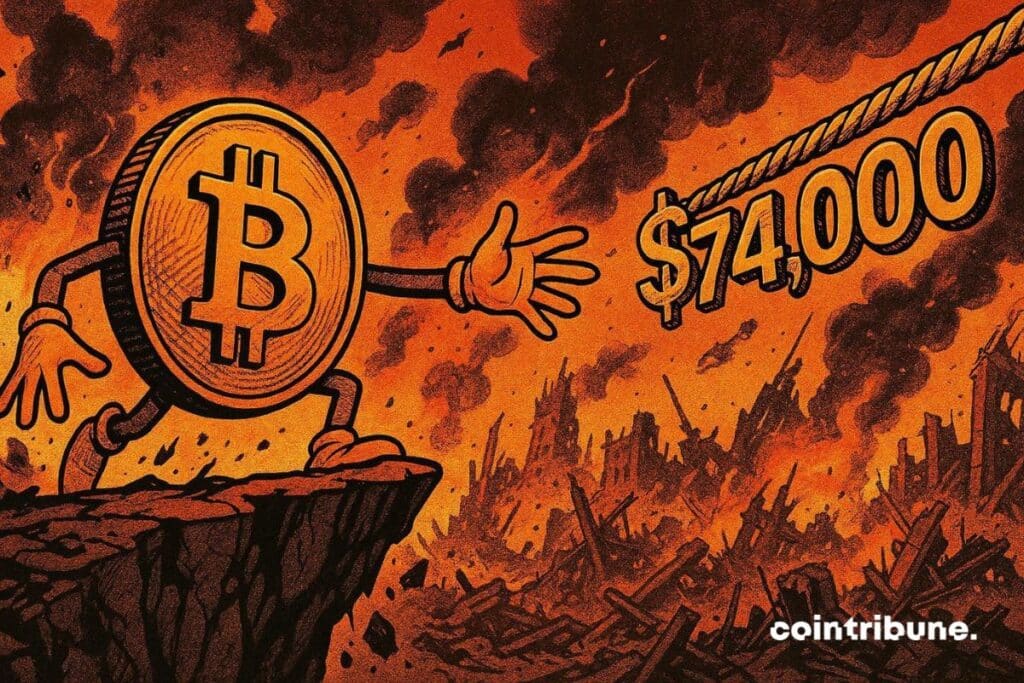
Strait of Hormuz closed, inflation at 5%: Will Bitcoin explode or collapse?
Cointribune·2026/03/01 19:45
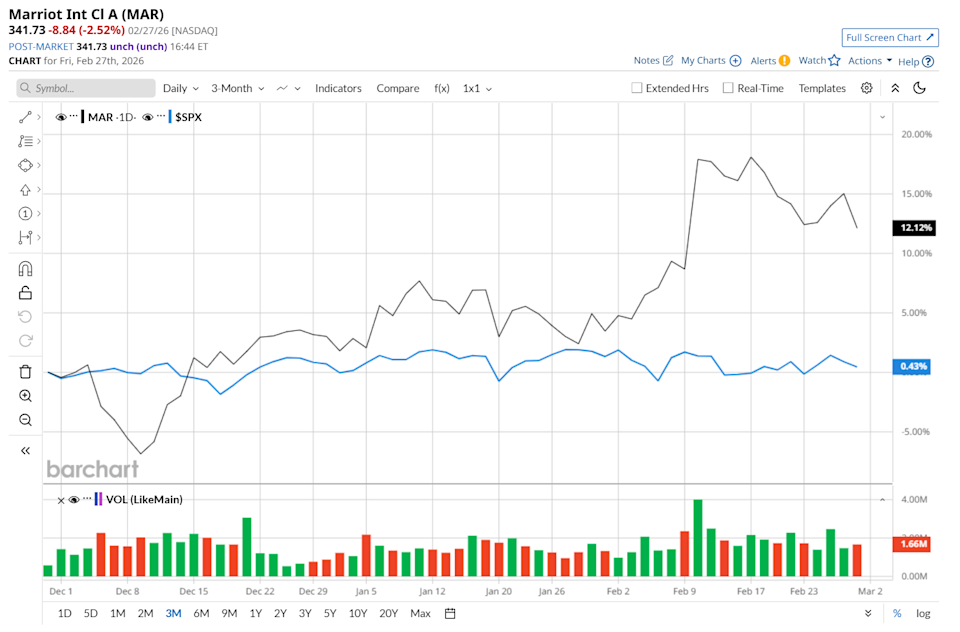
Is Marriott International Shares Beating the S&P 500 Index?
101 finance·2026/03/01 19:21
Flash
23:40
Spot gold surpasses $5,380 per ounceThe spot gold price has reached $5,380 per ounce, with a daily increase of 1.94%.
23:39
Overview of Major Overnight Developments on March 221:00 (UTC+8) - 7:00 (UTC+8) Keywords: Iran, Trump, Israel, Michael Saylor 1. Former Iranian President Ahmadinejad was attacked and killed; 2. The US stated that its military actions against Iran did not involve nuclear facilities; 3. Trump: Military actions against Iran may last for 4 weeks; 4. Trump: Iran's new leadership wants dialogue, I agree to negotiate; 5. Joint statement by the UK, France, and Germany: "Necessary defensive actions" may be taken against Iran; 6. Israeli Prime Minister: The intensity of strikes against Iran will further increase in the coming days; 7. Michael Saylor once again released Bitcoin Tracker information, and may disclose additional purchase data next week.
23:36
Middle East Escalation Triggers Global "Flight to Safety": Gold, Silver, and Oil Surge Together, U.S. Stock Futures DeclineBlockBeats News, March 2nd. The sudden escalation of the Middle East situation caused violent fluctuations in the global market, with funds pouring into safe-haven assets. In early Monday Asia trading, spot gold and silver opened higher across the board, international oil prices surged by up to $8, and US stock index futures generally fell.
Spot gold rose to $5374 per ounce, up 1.8%; spot silver was at $96 per ounce, up 2.6%. International oil prices saw a sharp jump, with Brent Crude briefly rising to $82.37 per barrel, and WTI Crude Oil reaching $80.82 per barrel. Market concerns about the escalating US-Iran conflict's potential impact on the shipping route of the Strait of Hormuz, which accounts for about a quarter of global seaborne oil trade.
On the US stock side, the three major stock index futures opened lower, with Nasdaq and Dow futures falling by over 1% and S&P 500 futures down by over 0.9%. Funds flowed into US Treasuries, gold, Swiss franc, and other traditional safe-haven assets.
Several institutions have warned that if oil prices continue to rise to the $90–100 per barrel range, inflationary pressures may resurface, and the Fed's interest rate cut trajectory may be forced to adjust. Some strategists have pointed out that the current global stock market valuations are high, combined with geopolitical shocks, short-term "risk-off" trades may dominate the market.
The market generally believes that the future trend will depend on whether the shipping route of the Strait of Hormuz remains open and if the conflict becomes prolonged. If energy transport is not materially affected, risk assets may stabilize temporarily. However, if the situation continues to escalate, oil prices resonate with inflation expectations, and global stock markets and emerging market assets will face greater pressure.
News