
News
Stay up to date on the latest crypto trends with our expert, in-depth coverage.


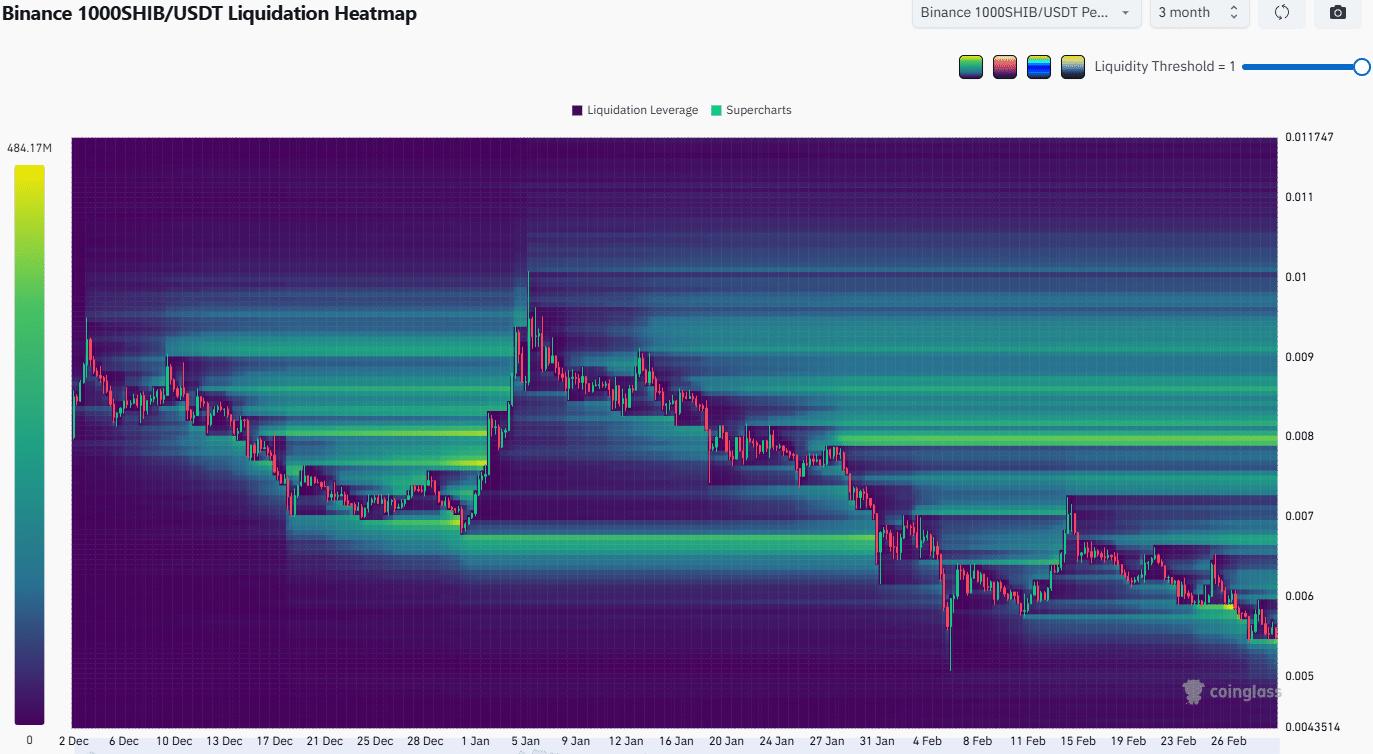
Shiba Inu bulls seek out a selling opportunity: Is THIS it?
AMBCrypto·2026/03/03 04:03
Gates Capital Commits $150M to TIC: Major Investor Move or Savvy Market Indicator?
101 finance·2026/03/03 03:45

How Even Experienced Traders Succumb to Cognitive Biases: Solutions from Behavioral Finance
101 finance·2026/03/03 03:37
Timken's Cautious Guidance: Is SouthernSun's Exit a Signal of Priced-In Reality?
101 finance·2026/03/03 03:36

Saylor Continues Long Term Bitcoin Strategy
Cointribune·2026/03/03 03:21
Broadridge at Raymond James: Strategic Positioning and Portfolio Implications
101 finance·2026/03/03 03:06
Flash
04:38
After the transfer of 7,000 BNB, the funds flowed into WintermuteAccording to Arkham data, 7,000 BNB (approximately $4.45 million) were transferred from anonymous address 0x6fB3Fe7b… to anonymous address 0xB25c27E…, after which this address transferred 6,999.99 BNB to Wintermute.
04:35
DataChainCatcher news, according to Coinglass data, the current cryptocurrency Fear and Greed Index is 15, up 6 points from yesterday. The 7-day average is 11, and the 30-day average is 10.
04:25
Analysis: If the Strait of Hormuz is closed for a long time, it may trigger a "certain recession" in the global economyBlockBeats news, March 3, amid escalating conflicts within Iran and its retaliatory actions in the Middle East, the Strait of Hormuz has once again become a focal point for global economic attention. Analysts warn that even partial or temporary disruptions in oil supply could significantly impact the global economy; if the strait is closed for an extended period, the world economy may face a "certain recession." Bob McNally, founder of Rapidan Energy Group and former energy advisor to the Bush administration, stated: "A prolonged closure of the Strait of Hormuz will lead the global economy into a certain recession." According to data from the U.S. Energy Information Administration, about 20% of global liquefied natural gas (LNG) trade in 2024 must be transported through the strait; approximately 38% of global crude oil supply also passes through this channel. In 2024 alone, Saudi Arabia transports about 5.5 million barrels of crude oil per day via the strait. Although there are alternative pipelines across the Arabian Peninsula, their capacity is limited and cannot compensate for a complete closure of the strait. Even though Iran has not actually blocked the strait, market expectations have already been disturbed. Media reports indicate that the Iranian military has warned the area is "unsafe," and the number of vessels passing through the strait on that day dropped by about 70% compared to the previous day. Research institutions estimate that if the strait remains closed for more than a year, about 15% of global LNG supply will disappear, with Europe, India, and Japan suffering the most severe import shocks. Analysts believe that if Gulf energy infrastructure is attacked or passage is restricted for a longer period, oil prices could rise above $100 per barrel. Some institutions assess the probability of oil prices reaching $120 at around 20%. However, analysis also points out that Iran faces practical constraints in enforcing a prolonged blockade, including the U.S. military presence in the region and the diplomatic consequences of cutting off energy supplies. Historically, Iran has threatened to close the strait multiple times but has never actually done so. Energy consulting firm Wood Mackenzie noted that the oil crisis of the 1970s triggered a global recession, but the current global economy is significantly less dependent on oil. To replicate the scale of impact seen back then, oil prices would likely need to rise to around $200 per barrel. The firm believes that if ongoing conflicts continue to push up oil and gas prices and impact fragile economies, severe volatility in global financial markets may force affected countries to seek ways to ease tensions.
News