
News
Stay up to date on the latest crypto trends with our expert, in-depth coverage.

1Bitcoin adoption ‘booming’ while price chops: Which metrics matter most?2SEC approval sought for JitoSOL Solana-based liquid staking token ETF3Crypto Biz: A Bitcoin treasury shareholder revolt

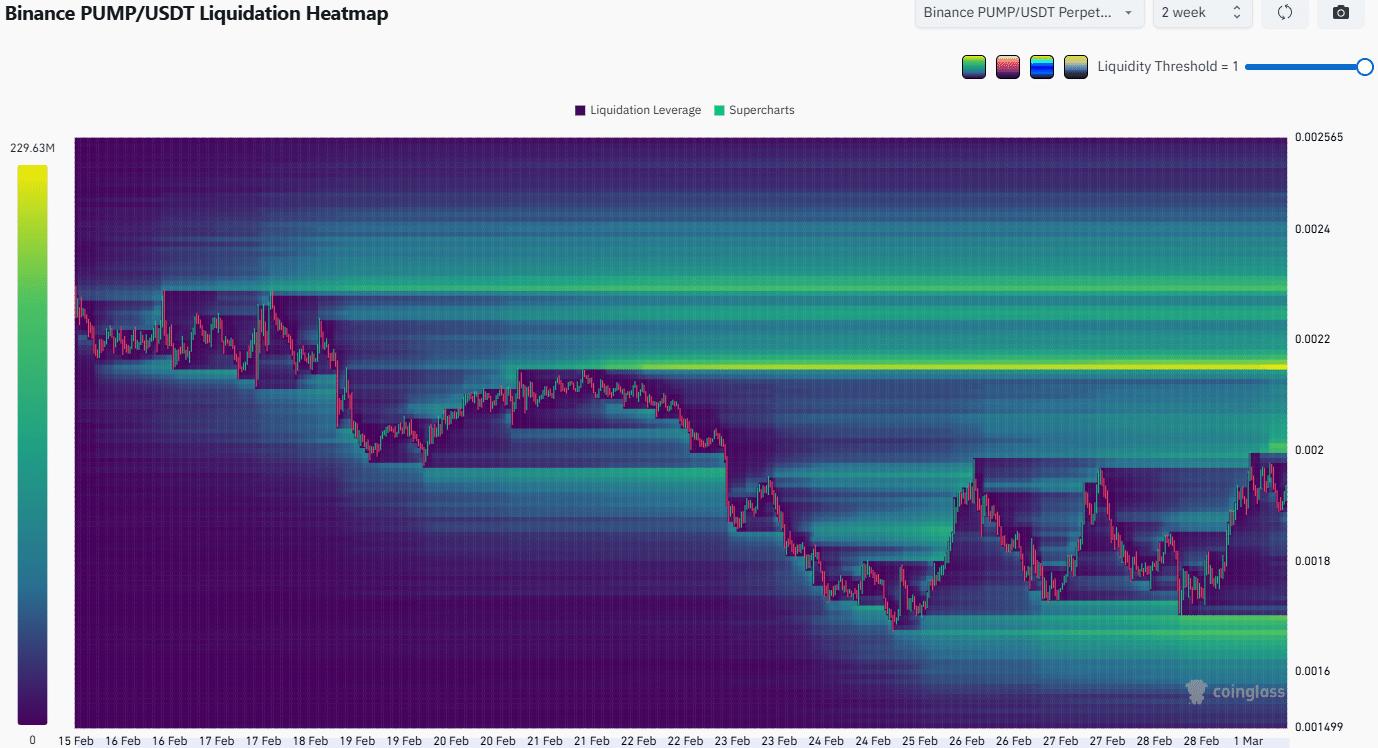
PUMP: Indecisive price action keeps traders on edge
AMBCrypto·2026/03/02 01:03
Canadian Dollar weakens as safe-haven flows boosts USD; Oil surge caps gains for USD/CAD
101 finance·2026/03/02 00:54

Iran Attacks Reveal the Grim Downside of the Prediction Market Age
101 finance·2026/03/02 00:45
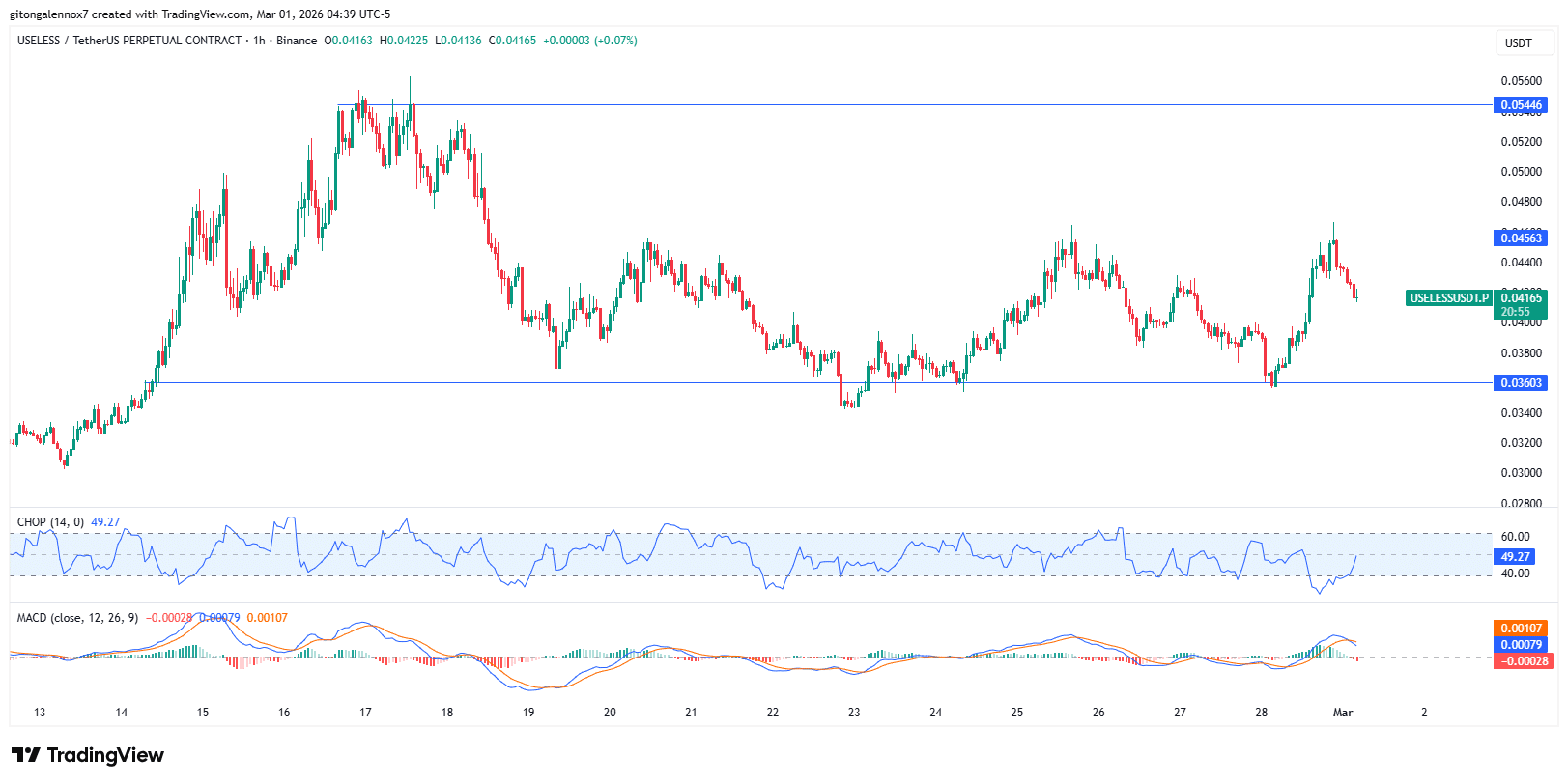
USELESS jumps 17% as whales load up – Why THIS support is KEY!
AMBCrypto·2026/03/02 00:03
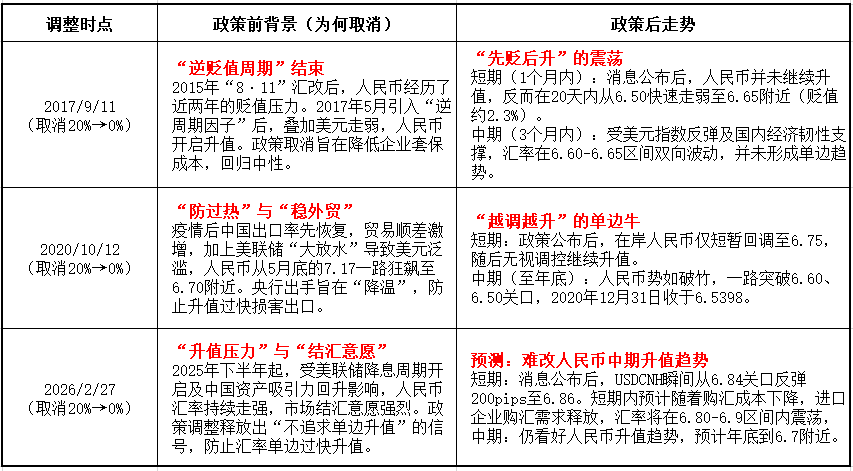
Market Impact of Cancelling Forward Foreign Exchange Risk Reserve Ratio
早安汇市·2026/03/02 00:03
Explosions Echo Throughout the City! Witnessing History on Monday
金融界·2026/03/01 23:53
US Dollar Index attracts some buyers to near 98.00 as Middle East conflict fuels demand
101 finance·2026/03/01 23:45
Flash
01:09
Arthur Hayes: If Trump Ups Ante on Iran, Fed May Have to Ease, Positive for BitcoinBlockBeats News, March 2nd, Arthur Hayes' latest article titled "iOS Warfare" was published, taking advantage of the US's escalation of military action against Iran to analyze the potential interplay between war, Federal Reserve policy, and the crypto market.
Hayes pointed out that since the Gulf War in 1990 and the "War on Terror" in 2001, whenever the US launched or escalated military actions in the Middle East, the Federal Reserve often responded in the subsequent stages by cutting interest rates or providing liquidity to offset the economic impact. He believes that if the Trump administration continues to escalate the Iran issue, fiscal pressure and financial market volatility could provide a "political cover" for the Federal Reserve to further lower interest rates or restart an easing policy.
Hayes stated that his logic is very simple: the longer the war, the higher the cost, the greater the likelihood of the Federal Reserve loosening monetary policy, and cheaper, more abundant dollar liquidity usually benefits risk assets, including Bitcoin.
In terms of trading strategies, he advised investors to "wait for signals," meaning to increase their allocation to Bitcoin and high-risk crypto assets (such as HYPE) only after the Federal Reserve clearly announces a rate cut or initiates a new round of easing.
01:07
10xResearch: Market positions have been cleared out, but liquidity remains weakAccording to Odaily, 10xResearch stated in the latest issue of WeeklyCryptoKickoff that crypto market positions have been significantly cleared out, funding rates have dropped to lower percentiles, and implied volatility has reset, but overall liquidity remains fragile and structural capital inflows are limited. The report mentioned that the US 10-year Treasury yield has fallen below 4%, ETF capital flows briefly turned to net inflows, and options traders are building two-way exposures around key events in March. The content covers bitcoin and ethereum derivatives positions, volatility trends, capital dynamics, market sentiment, ETF and stablecoin capital flows, as well as expected trading ranges and related market catalysts for the next 1 to 2 weeks.
00:53
Japanese stock market falls as Iran crisis and surging oil prices weaken risk appetiteGlonghui March 2|Japanese stock markets declined as attacks by the United States and Israel on Iran undermined investor confidence and led to a rise in oil prices. Export-oriented companies such as automobile manufacturers and electronics makers were among the main contributors to the decline, while bank stocks also performed weakly. In contrast, shares of oil producers and shipping companies rose. On Monday, the stock market may generally come under pressure as investors flee risk assets. Industries sensitive to oil prices, such as rubber manufacturers and automobile makers, may be hit the hardest. The vice president of Pasol Research Institute stated that the Japanese stock market is particularly vulnerable because the country is "highly dependent on crude oil supplies from the Middle East." Due to rising oil prices, transportation industries such as airlines, shipping, and land transport may face sales pressure, while defensive stocks may provide some support.
News