
MITO Drops 34.57% During Significant Market Downturn and Investor Worries
- MITO's price plummeted 124.07% in 24 hours, with multi-timeframe declines exceeding 2,000%, signaling severe market instability. - Analysts attribute the crash to liquidity issues, weak on-chain activity, and eroding investor confidence in the token's fundamentals. - Technical indicators show decisive breakdowns below key moving averages, with RSI in oversold territory failing to trigger rebounds. - A proposed backtesting strategy targets bearish trends using moving average crossovers and RSI exhaustion
On SEP 26 2025,
MITO is currently undergoing one of its sharpest downturns in recent memory. The token has entered a steep decline, rapidly losing value. This sharp drop is indicative of widespread market instability and diminishing investor trust, rather than being caused by isolated incidents. The recent 24-hour plunge has heightened worries, sending the asset to its lowest point in years. Market analysts point to liquidity shortages, lower trading volumes, and a lack of encouraging on-chain data as the main drivers behind the sell-off. Overall sentiment remains pessimistic, with little evidence of a near-term recovery.
The technical analysis for MITO continues to signal a strong bearish trend. Major support levels have been broken, and the price is trading significantly beneath both the 200-day and 50-day moving averages. The daily chart highlights a persistent downward trend, with no clear bullish indicators present. The Relative Strength Index (RSI) has entered oversold levels, but historically this has not led to a meaningful bounce for MITO. Trading volume patterns further confirm the ongoing decline, showing increased bearish momentum. With no apparent short-term reversal patterns, the downward trend is expected to continue unless a major catalyst emerges to renew interest or prompt intervention from significant market participants.
Backtest Hypothesis
A suggested backtesting approach for MITO involves monitoring key technical signals such as moving averages and RSI. The strategy would trigger a sell order when MITO’s price drops below both its 50-day and 200-day moving averages, reinforcing the negative trend. A stop-loss is set at a specific threshold to limit losses from unexpected price swings or market volatility. The RSI serves as a secondary confirmation—traders would maintain their short positions until the indicator clearly signals that the asset is oversold and exhaustion is evident. This method is designed to reflect MITO’s recent price action, aiming to capture the full extent of the decline while managing risk. The strategy focuses on capitalizing on the prolonged downtrend without anticipating an immediate reversal.
Disclaimer: The content of this article solely reflects the author's opinion and does not represent the platform in any capacity. This article is not intended to serve as a reference for making investment decisions.
You may also like
Cross Country: Fourth Quarter Financial Results Overview
Enhabit: Fourth Quarter Financial Overview
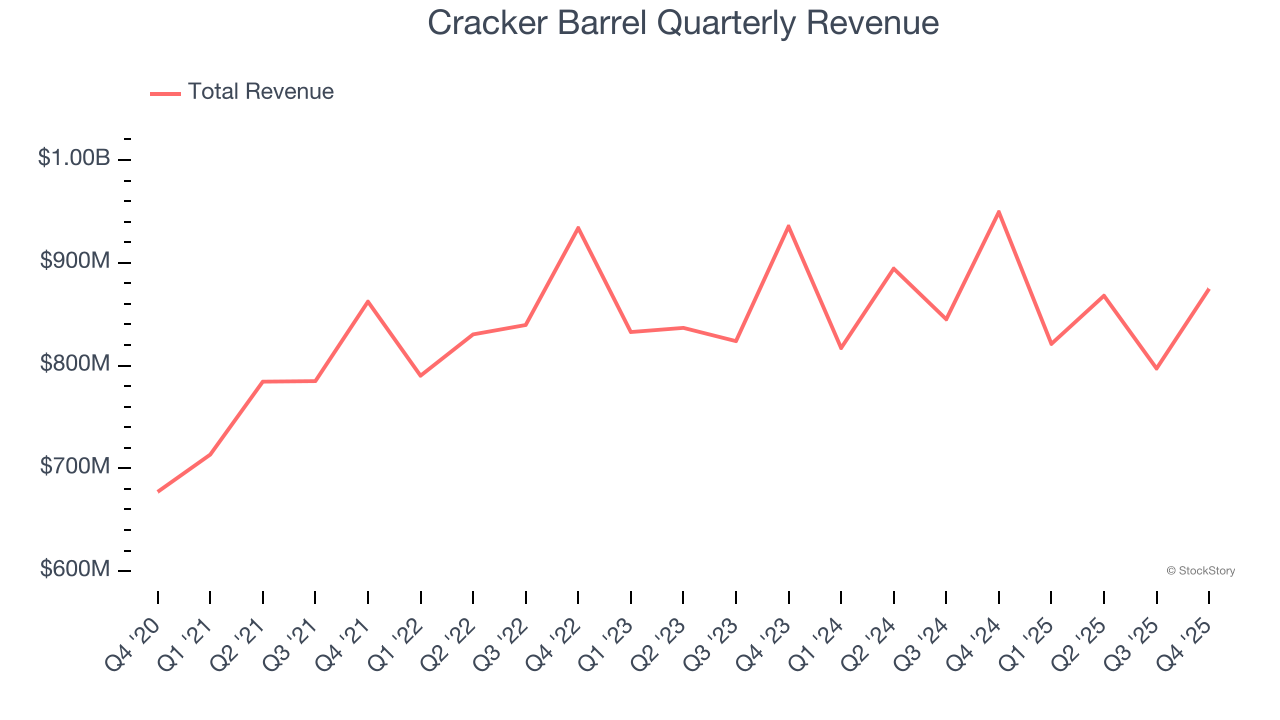
Cracker Barrel's (NASDAQ:CBRL) Q4 CY2025 Sales Top Estimates, Stock Soars
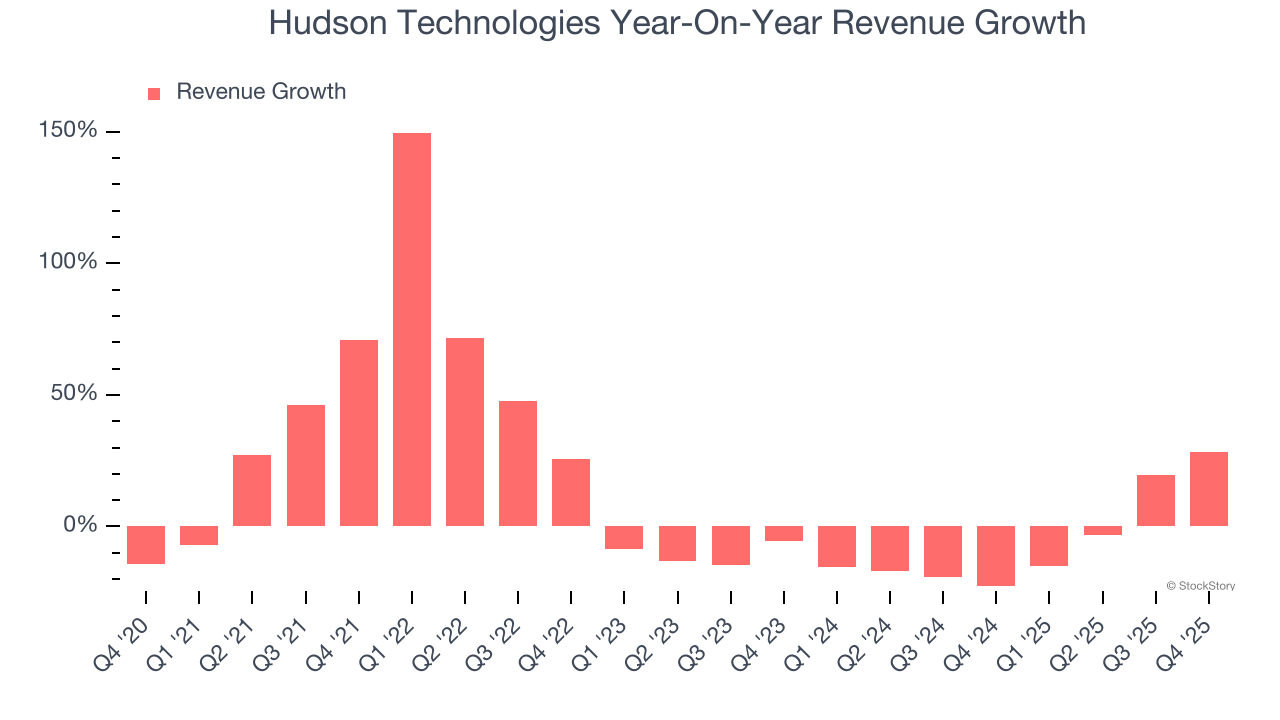
Hudson Technologies (NASDAQ:HDSN) Surprises With Q4 CY2025 Sales
Trending news
MoreCrypto prices
More





