
Rate Reduction Expected, Yet Powell's Conference May Hinder Further Easing
- The U.S. Federal Reserve plans a 25-basis-point rate cut to 3.75-4.00%, driven by weak labor data and delayed economic reports from the government shutdown. - Markets expect the cut (98.3% probability) but watch for "hawkish surprises" in Powell's presser about future easing pace and inflation risks. - Global markets react: BoE faces 68% December cut odds, while ECB and BOJ decisions could reshape cross-asset flows this week. - Uncertainty lingers over QT timeline and Powell's rhetoric, which could sway
The U.S. Federal Reserve is expected to reduce interest rates by 25 basis points during its upcoming two-day meeting, bringing the federal funds rate down to a range of 3.75-4.00%, as outlined in a
This move by the Fed follows softer inflation readings and continued weakness in employment, with private sector data such as the ADP and ISM reports underscoring ongoing labor market challenges, as mentioned in the MarketScreener preview. Experts from Allianz Research and
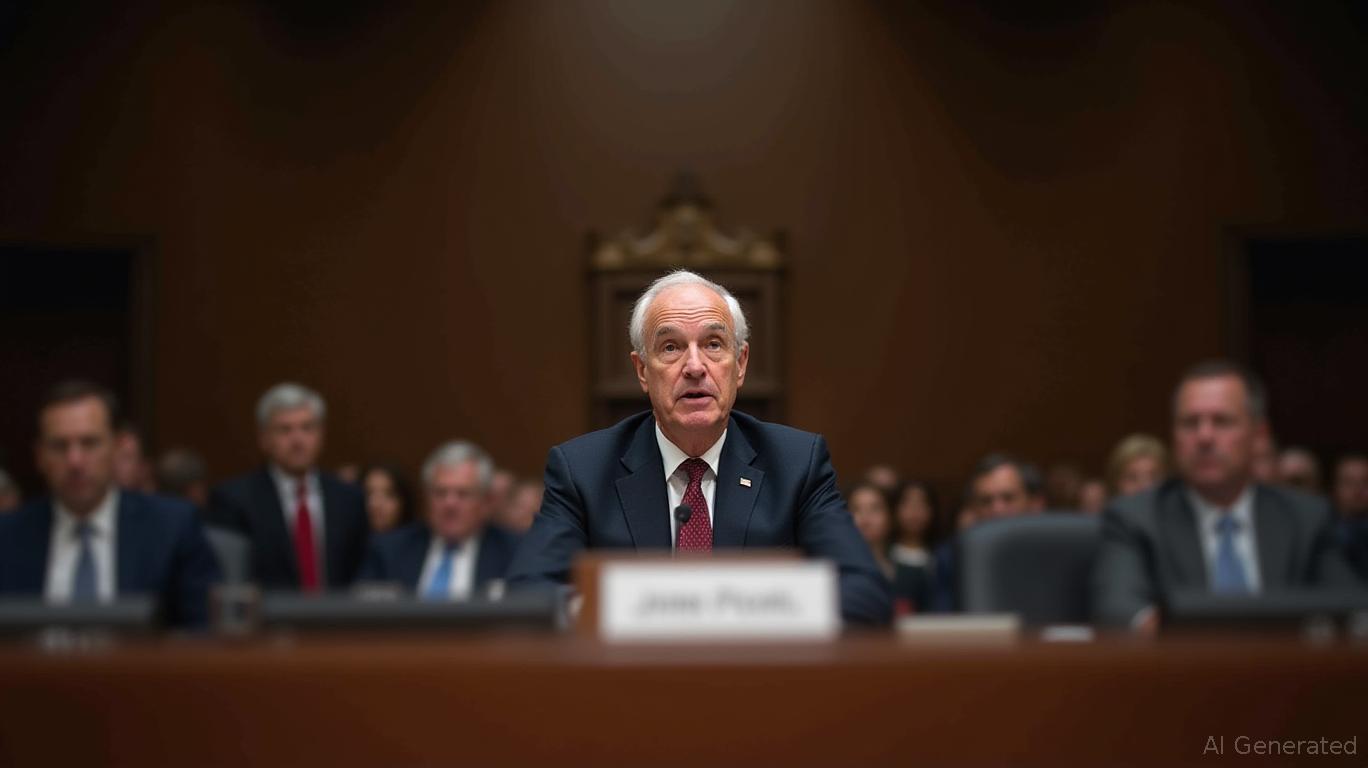
Traders are almost certain a rate cut will happen this week, with the CME FedWatch tool indicating a 98.3% chance, according to
The upcoming press conference is expected to be crucial, with Powell likely to discuss the trade-off between inflation and employment risks. Recent remarks from former Fed officials like Loretta Mester indicate that the central bank remains wary of inflation rising, despite the current trend toward rate reductions, as noted by the Manila Times. At the same time, ongoing U.S.-China trade negotiations and the broader international economic climate add further complexity, with tensions and tariffs between the two countries influencing investor sentiment, according to Yahoo Finance.
Investors will be closely monitoring the Fed’s outlook for future monetary policy. While markets are currently expecting two more rate cuts in 2025 and as many as three in 2026, a
The Fed’s actions are also expected to impact global financial markets. The Bank of England (BoE) is facing growing expectations for a rate cut, with traders assigning a 68% likelihood to a move in December, according to
Disclaimer: The content of this article solely reflects the author's opinion and does not represent the platform in any capacity. This article is not intended to serve as a reference for making investment decisions.
You may also like
Moonbirds to launch BIRB token in early Q1 2026

Aligning Universities with Emerging Industries: The Critical Need for STEM Investment
- Global industries demand AI, renewable energy, and biotech skills faster than traditional education systems can supply, creating a critical skills gap. - Universities like MIT and Stanford are embedding AI across STEM curricula while industry partnerships accelerate hands-on training in automation and biomanufacturing. - Renewable energy programs with apprenticeships and public-private funding are addressing talent shortages as $386B global investments outpace workforce readiness. - Biotech's fragmented

PENGU Token Value Soars: Blockchain Data and Institutional Interest Indicate Optimal Timing for Investment
- PENGU ranks #81 with $706.5M market cap, showing rising institutional interest and whale accumulation. - The pending Canary PENGU ETF, if approved, could unlock institutional capital by including NFTs in a U.S. ETF. - Mixed on-chain signals (RSI 38.7, OBV growth) and 2B tokens moved from team wallets highlight uncertainty. - Partnerships with Care Bears and Lufthansa, plus Bitso collaboration, expand utility but face regulatory risks. - Recent 8.55% price rebound and 2.6% gain post-BNB listing suggest ca
Evaluating How the COAI Token Scandal Influences Cryptocurrency Regulatory Policies
- COAI Token's 88% price crash and $116.8M loss exposed systemic risks in centralized AI-DeFi projects with opaque governance. - Global regulators responded with stricter frameworks, including EU's MiCA and Singapore's asset freezes, to address jurisdictional gaps. - Institutional investors now prioritize compliance, with 55% of hedge funds allocating to digital assets via tokenized structures in 2025. - Emerging solutions include AI-driven risk platforms and anthropological governance models to enhance tr

Trending news
MoreCrypto prices
More





