
Trump vs. Federal Reserve Governors: Powell Personally Appears in Court, Dollar and Gold May Face Revaluation

Huitong News, January 22—— The battle over the independence of the Federal Reserve has reached the US Supreme Court, where the justices are deliberating whether President Donald Trump has the authority to dismiss a Fed governor. The two central figures in this high-stakes conflict—Fed Governor Lisa Cook and Chairman Jerome Powell—sat in court for two hours on Wednesday (January 21), listening to oral arguments that could reshape the future of US monetary policy.
The battle over the independence of the Federal Reserve has reached the US Supreme Court, where the justices are deliberating whether President Donald Trump has the authority to dismiss a Fed governor. The two central figures in this high-stakes conflict—Fed Governor Lisa Cook and Chairman Jerome Powell—sat in court for two hours on Wednesday (January 21), listening to oral arguments that could reshape the future of US monetary policy.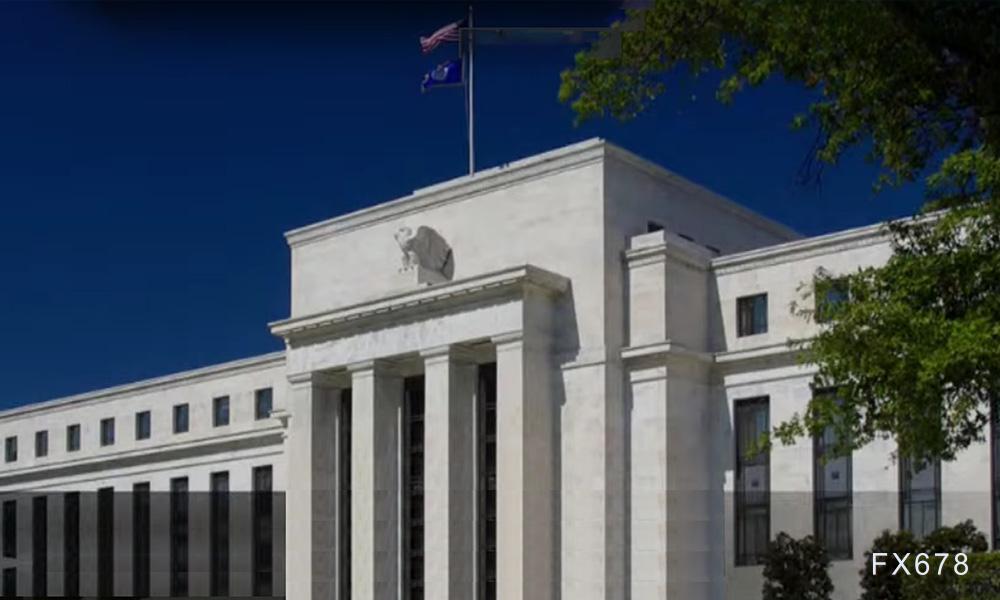
The core of the dispute is Trump's attempt, announced via social media in August 2025, to fire Cook based on unsubstantiated allegations of mortgage fraud.
Powell's presence in court was a clear and powerful show of institutional support for his colleague, even though the Justice Department is conducting a separate criminal investigation into him.
A Display of Power in Defense of Fed Independence
The attendance list at the hearing underscored the gravity of the case. Sitting beside Cook and Powell were current Fed Governor Michael Barr and former Chairman Ben Bernanke. Their presence demonstrated the united front of the Federal Reserve System, which fears that a Trump victory could severely undermine the Fed's ability to operate free from political interference.
Powell attended the hearing despite warnings from Treasury Secretary Scott Besant. This move stood in stark contrast to Besant himself, who attended a Supreme Court hearing on Trump's tariffs back in November 2025.
In a statement released after the hearing, Cook articulated the stakes of the case in sharp terms. She said, "This case is about whether the Federal Reserve sets key interest rates based on evidence and independent judgment, or whether it will yield to political pressure. Research and experience show that the Fed's independence is crucial for fulfilling Congress's mandate for price stability and maximum employment."
The Core Dispute: Defining 'For Cause' Dismissal
The legal battle centers on the Federal Reserve Act of 1913. This law was intended to shield the Fed from the whims of politics, stipulating that the President can only remove a governor 'for cause.' However,
The Trump administration's allegations against Cook focus on her purportedly misrepresenting two different properties as primary residences to secure more favorable mortgage rates. These alleged actions took place before former President Joe Biden nominated her as a Fed governor in 2022. Cook has denied the allegations, stating she correctly filed paperwork designating one property as a "vacation home."
At the hearing, Solicitor General D. John Sauer, representing the Trump administration, described Cook's conduct as "fraud or gross misconduct."
In response, Cook's attorney Paul Clement argued that the issue at most amounted to "an inadvertent mistake." He insisted that Cook deserved due process, including formal notice of the charges, a hearing to present her side, and the option of judicial review.
Supreme Court Justices Probe the Limits of Power
Justices from both the Court's conservative and liberal wings explored the boundaries of the "for cause" standard. They questioned whether actions taken before an official's appointment could be grounds for dismissal and what level of misconduct would meet the threshold for removal.
Conservative Justice Samuel Alito posed a hypothetical scenario, asking what would happen if a video emerged showing a sitting Fed official expressing admiration for Adolf Hitler or the KKK before taking office. Clement replied that such an official would face immediate impeachment and would likely resign on the spot.
Chief Justice John Roberts questioned the necessity of a formal hearing for Cook's specific situation, suggesting the matter could be resolved simply. Roberts remarked, "You just need to say one thing: This was an inadvertent mistake."
Political Fronts Form Outside the Court
While legal arguments unfolded inside the courtroom, the political implications of the case were on full display outside. Congressional Democrats held rallies in support of the Fed's independence.
Senior Democrat on the House Financial Services Committee, Representative Maxine Waters, believes
Waters declared, "Make no mistake, this is about power and control."
The Pricing Crisis of Independence: Threats to the Market
For a long time, markets have priced the dollar and dollar-denominated assets (including gold) on the basis that the Fed operates independently from politics and sets monetary policy based on economic data—a core institutional feature seen as a key fundamental and a "stability premium." The Supreme Court's ruling in this case will directly challenge this foundation.
Gold and the dollar may diverge as a result of this decision: the loss of the dollar's "institutional premium" could directly translate into long-term support for gold.
During Thursday's Asian session, the US Dollar Index fluctuated narrowly around 98.75, while spot gold edged lower, currently trading near $4,785 per ounce, down about 0.9% intraday. As the risk of a US-EU trade war subsided, gold had previously hit a historic high of $4,888.17 per ounce in the previous session. However, the long-term risk to the dollar's credibility is expected to continue supporting gold.
This hearing is effectively "repricing" the long-term value of the dollar and gold. Which way the scales tip will determine which currency wins the all-important "trust" factor in the decade to come.
As of 10:30 Beijing time, spot gold is quoted at $4,786.30 per ounce.
Disclaimer: The content of this article solely reflects the author's opinion and does not represent the platform in any capacity. This article is not intended to serve as a reference for making investment decisions.
You may also like
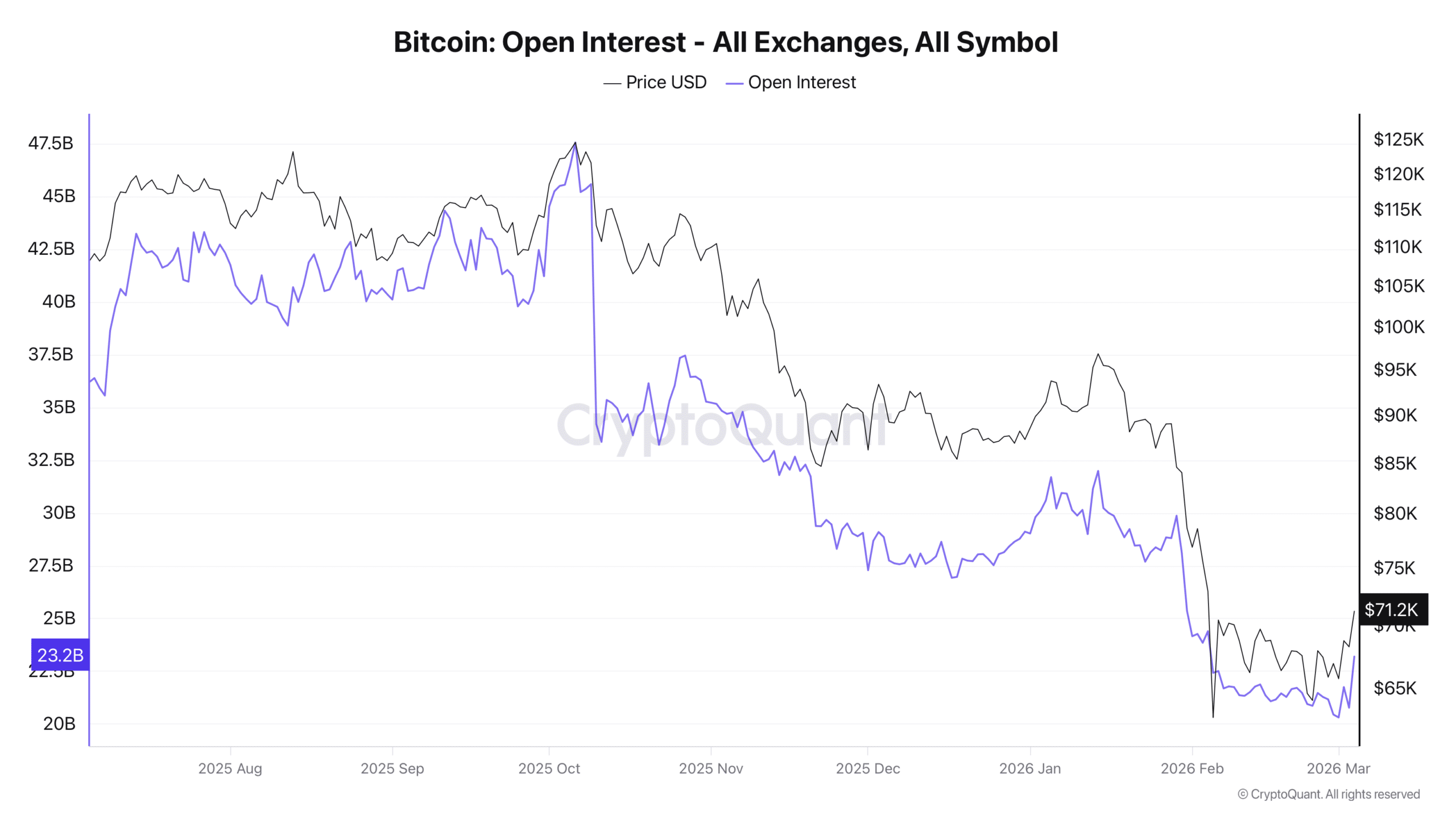
Bitcoin: Shorts still dominate BTC – But buyers are fighting back
Big Tech Joins White House Energy Pledge as Iran Tensions Threaten Higher Costs
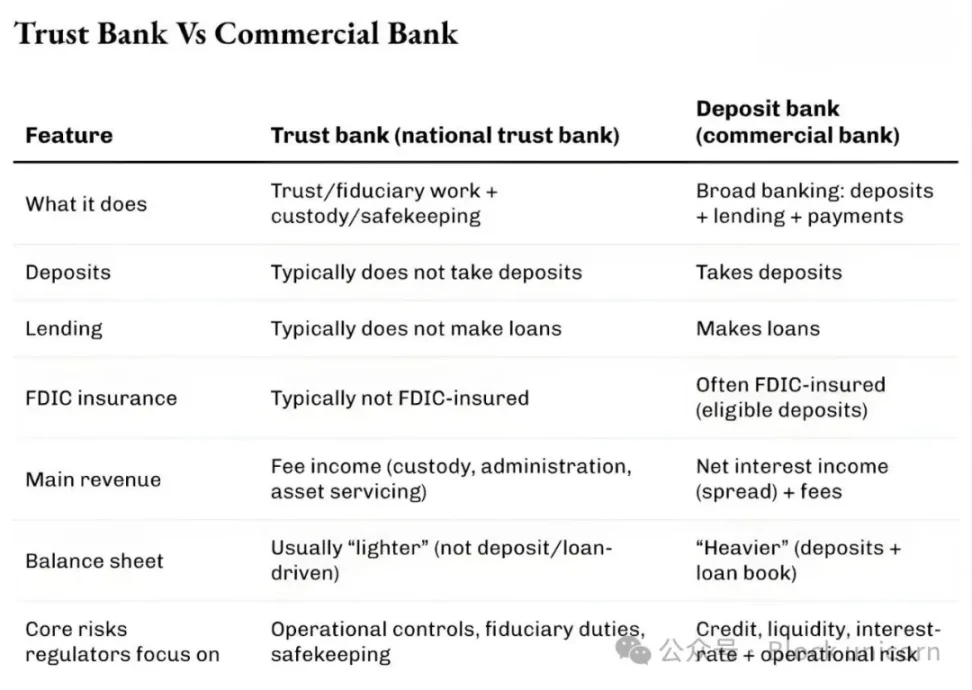
The Key to Cryptocurrency Mainstream Adoption: Custody and Licensing, Not Price
Trending news
MoreCrypto prices
More





