
Ørsted Applauds North Sea Agreement Aiming for 300 GW of Offshore Wind Power by 2050

Ørsted Applauds New Offshore Wind Investment Agreement in the North Seas
Ørsted has expressed strong support for a recently established Joint Offshore Wind Investment Pact for the North Seas, describing it as a significant advance in boosting offshore wind development and ensuring stable investment conditions within Europe’s leading renewable energy market.
This agreement was formalized during the North Sea Summit 2026 in Hamburg, with participation from the governments of Belgium, Denmark, France, Germany, Ireland, Luxembourg, the Netherlands, Norway, and the United Kingdom, as well as offshore wind industry leaders and grid operators. Although the pact is primarily a political commitment, Ørsted emphasized its crucial role in enabling major industry investments over the next decade.
Ørsted highlighted that the agreement reinforces the collective goal of achieving 300 gigawatts of offshore wind capacity by 2050, while also introducing a more unified approach to expansion throughout the 2030s. The signatories intend to maintain steady annual installation rates between 2031 and 2040, aiming for up to 15 GW of new offshore wind capacity each year across Europe. According to Ørsted, this pace is vital for stabilizing the supply chain and reducing costs.
The company believes that, with more reliable and lower-risk investment policies, the pact could help decrease offshore wind electricity costs by approximately 30% by 2040. Ørsted underscored the importance of mechanisms like two-sided contracts for difference (CfDs) and long-term power purchase agreements (PPAs), including cross-border arrangements, to secure project revenues and attract large-scale investment.
Rasmus Errboe, Ørsted’s President and CEO, stated that the pact demonstrates decisive political action to unlock the North Sea’s wind energy potential and confirmed the company’s readiness to invest under improved market conditions. Europe remains at the heart of Ørsted’s operations, representing about 90% of its current offshore wind capacity.
Ørsted also presented the agreement as a strategic response to Europe’s energy security needs. With over half of the EU’s energy being imported, the company estimates that reaching 300 GW of offshore wind in the North Sea could save Europe around €70 billion in fossil fuel imports, lower electricity costs, and reduce the continent’s carbon emissions by roughly 15%. The offshore wind sector already supports approximately 100,000 jobs across Europe, a number expected to rise as expansion continues.
This new pact aligns with recommendations made by the offshore wind sector in 2025, including findings from Ørsted’s Offshore Wind at a Crossroads report, which cautioned that inconsistent auction schedules, increasing costs, and policy uncertainty threatened Europe’s offshore wind ambitions. Ørsted noted that the agreement addresses these challenges by fostering alignment between governments and industry on installation targets, risk-sharing, and long-term cost reduction strategies.
Ørsted’s Offshore Wind Legacy and Ongoing Projects
With 35 years of expertise in offshore wind, Ørsted constructed the world’s first offshore wind farm in Denmark in 1991. The company has since installed over 1,600 offshore wind turbines across Europe, totaling approximately 8.9 GW of capacity. Current projects under development include the Hornsea 3 wind farm in the UK, Borkum Riffgrund 3 in Germany, and Baltica 2 in Poland, highlighting Ørsted’s ongoing commitment to its European offshore wind portfolio.
By Charles Kennedy for Oilprice.com
Disclaimer: The content of this article solely reflects the author's opinion and does not represent the platform in any capacity. This article is not intended to serve as a reference for making investment decisions.
You may also like
Analyst: XRP & HBAR Holders Risk Huge Sell-Off As Gulf Tensions Hit Oil
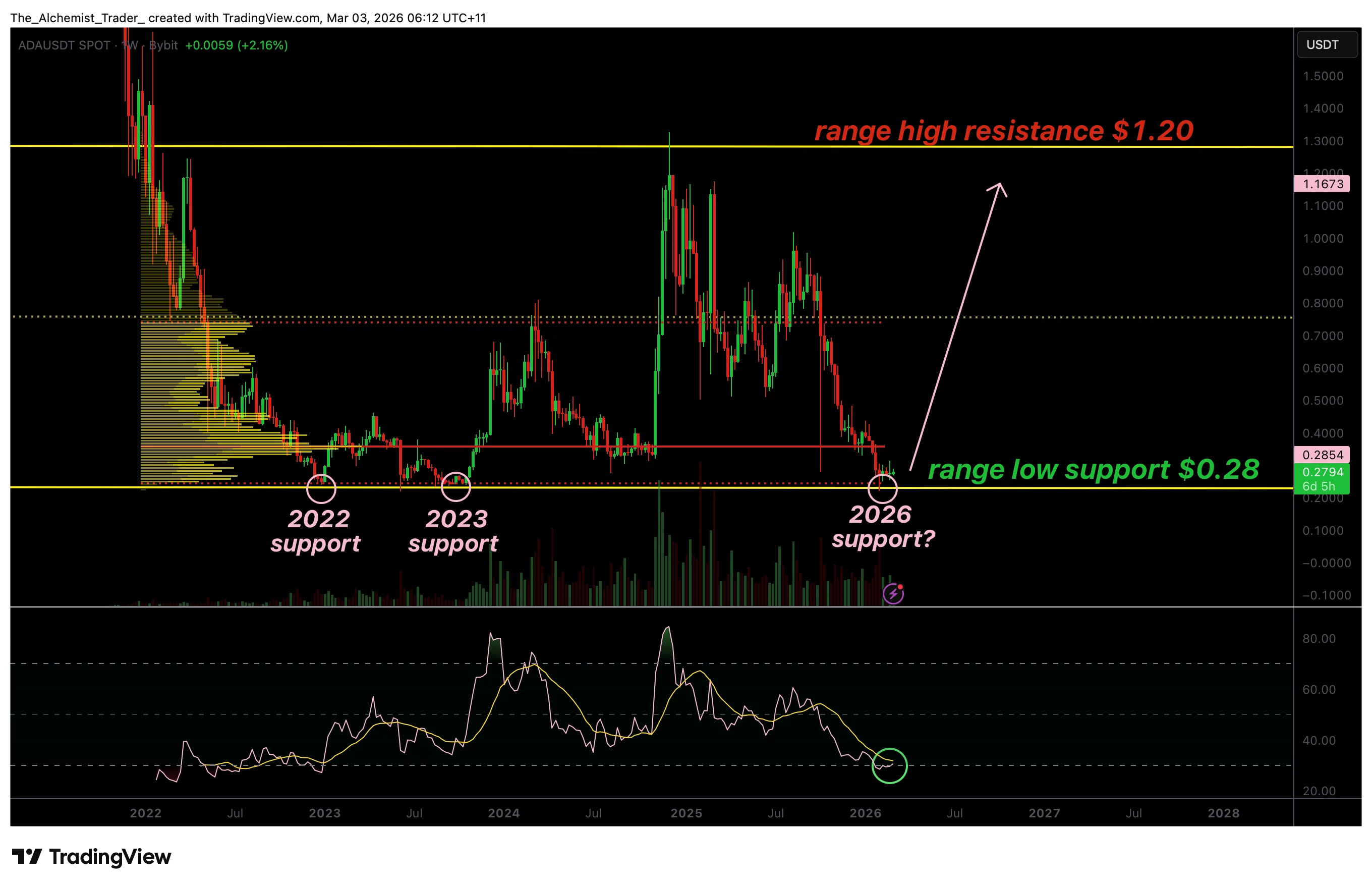
Cardano price tests historic 2022 support as oversold conditions hint at reversal
Dark Bank: The American Who Laundered Millions in Crypto Extradited to France

Iran conflict has had minimal impact on the U.S. economy up to now, according to analysts
Trending news
MoreCrypto prices
More





