

In Japan, the regulatory framework governing cryptocurrencies and digital payments is entering a new phase. The country’s financial supervisory authority has introduced draft rules for public consultation regarding the types of bonds that can be used in stablecoin reserves. This process is regarded as a significant step toward implementing legal changes that redefined payment systems, which came into effect in 2025. The consultation process aims to support Japan’s goal of building a regulated stablecoin ecosystem with clearer and more binding rules.
Japan Sets Bold Regulations for Stablecoin Reserves and Digital Payments
By:Cointurk
Bond Standards for Stablecoin Reserves
The Financial Services Agency released a statement on Monday, sharing a series of draft regulatory notifications related to amendments made to the Payment Services Act in 2025. These drafts detail the management of reserve assets for regulated stablecoins issued through trust structures. The framework explicitly defines which assets can be directed by the investment structure called “specific trust beneficiary interests” used by stablecoin issuers.
The draft regulations impose strict criteria on bonds accepted as reserve assets. Only bonds issued by foreign issuers with high credit ratings will be deemed suitable. Such bonds must be classified with a “1–2” or higher rating and the foreign issuer’s total stock of bonds should be at least 100 trillion yen. Authorities emphasize that these thresholds aim to maintain the reserves’ liquidity and reliability.
The public consultation process will continue until February 27, 2026. The drafts implement the details of the 2025 law, which updated the framework for payment and electronic payment instruments, approved in June 2025. Once completed, a clearer and more predictable reserve regime for stablecoin issuers is anticipated.
Intermediary Rules and Japan’s Stablecoin Strategy
The draft package is not limited to reserve standards. It also includes new administrative and supervisory guidelines for banks, insurance companies, and their subsidiaries. A new provision requires subsidiaries that offer cryptocurrency intermediary services to clearly inform customers about risks. The aim is to prevent the perception that being part of a traditional financial group lowers a product’s risk profile.
Additional obligations are introduced for businesses wishing to transact with foreign stablecoins. Applicants must state that the foreign issuer will not engage in issuance, redemption, or marketing activities aimed at general users in Japan. The Financial Services Agency also mentions sharing information about such assets and issuers with overseas regulators.
These steps align with Japan’s goal of controlled growth in the stablecoin sector. In October, local fintech company JPYC launched Japan’s first legally recognized yen-backed stablecoin. Simultaneously, Japan’s three major banks, MUFG, SMBC, and Mizuho, rolled out stablecoin and tokenized deposit pilot projects involving payments, interbank settlements, and corporate financial services. These initiatives received official support from the regulatory body in December.
0
0
Disclaimer: The content of this article solely reflects the author's opinion and does not represent the platform in any capacity. This article is not intended to serve as a reference for making investment decisions.
PoolX: Earn new token airdrops
Lock your assets and earn 10%+ APR
Lock now!
You may also like
WISeKey Reports FY 2025 Preliminary Financial Results
Finviz•2026/03/05 06:03

Analyzing why crypto is trending again DESPITE markets being in ‘extreme fear’
AMBCrypto•2026/03/05 06:03
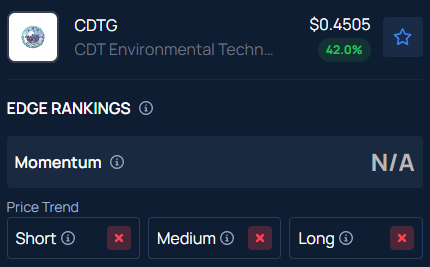
Why Did CDT Environmental Tech (CDTG) Stock Pop 42% After Hours
Finviz•2026/03/05 05:51
Bulk cargo ship identifying as Chinese sails through the Strait of Hormuz
101 finance•2026/03/05 05:42

Trending news
MoreCrypto prices
More
Bitcoin
BTC
$72,172.08
+5.86%

Ethereum
ETH
$2,114.7
+7.53%

Tether USDt
USDT
$1
+0.02%

BNB
BNB
$651.13
+2.99%

XRP
XRP
$1.41
+4.18%

USDC
USDC
$1
+0.02%

Solana
SOL
$89.89
+5.53%

TRON
TRX
$0.2846
+1.34%

Dogecoin
DOGE
$0.09561
+7.55%

Cardano
ADA
$0.2718
+4.56%
How to buy BTC
Bitget lists BTC – Buy or sell BTC quickly on Bitget!
Trade now
Become a trader now?A welcome pack worth 6200 USDT for new users!
Sign up now