
AdaptHealth’s $12 Million Settlement: Strategic Positioning Ahead of the Final Approval Trigger

Key Developments in the AdaptHealth Securities Case
On January 13, 2026, a federal judge in Pennsylvania rejected a motion to dismiss the securities class action against AdaptHealth (AHCO, +5.36%). The judge’s decision was based on the fact that both parties had already reached a proposed settlement, which is currently awaiting court approval. This procedural move eliminates a potential delay, allowing the settlement process to advance.
The settlement involves a $12 million fund and covers alleged misconduct during the period from November 8, 2019 to July 16, 2021. Investors who traded AdaptHealth securities within this timeframe may be affected. The settlement website emphasizes the urgency, as the process is progressing and the deadline for action is fast approaching.
This development is primarily procedural and does not alter AdaptHealth’s underlying valuation. The denial of the motion clears the way for the court to focus on finalizing the settlement. For investors, the immediate concern is the limited window to safeguard their rights before the final approval hearing. The event itself—a procedural obstacle removed—creates a short-term incentive to respond promptly.
Financial and Legal Implications
The $12 million settlement is relatively insignificant compared to AdaptHealth’s operational scale. To put this in perspective, the company’s Adjusted EBITDA for 2025 was $616.7 million, making the settlement just about 2% of annual profits. With guidance for over $680 million in Adjusted EBITDA for 2026, the financial impact is minimal.
However, the lawsuit highlights deeper concerns. The allegations focus on two main issues: claims that AdaptHealth misrepresented its ability to achieve organic growth in its diabetes segment and accusations of improper upcoding and questionable billing practices. The settlement period coincides with a significant phase of business transformation, raising questions about the company’s growth story and compliance during this transition.
Management has already absorbed a substantial GAAP charge from this period—a $128 million non-cash goodwill impairment, which did not affect cash flow. While the settlement is a cash expense, it remains a small portion of AdaptHealth’s projected cash generation ($175–225 million in 2026). The more serious risk lies in the underlying allegations. If claims regarding misleading growth projections or billing practices are validated, it could indicate unresolved compliance or internal control issues.
In summary, the settlement cost is a quantifiable, tactical overhang now awaiting court approval. The more enduring risk is the possibility of ongoing scrutiny related to the same period of alleged misconduct. Financially, the impact is minor, but the legal and reputational risks persist.
Upcoming Catalysts, Risks, and Shareholder Guidance
The next major event is the court’s final approval of the $12 million settlement, which could occur soon now that procedural hurdles have been cleared. While this would resolve a known issue, it may also prompt additional shareholder lawsuits, as allegations of misstated growth and upcoding remain unresolved and could lead to new claims.
The primary risk is regulatory intervention. The upcoding allegations suggest potential violations of Medicare and Medicaid billing regulations, which could result in significant fines and operational challenges if investigated by authorities—far exceeding the settlement amount. This regulatory risk is the most persistent threat facing AdaptHealth.
Shareholders are urged to act quickly. Protecting your interests requires timely action, as the window to respond before the final approval is limited.
Strategy Backtest: ATR Volatility Breakout for ADPH
Strategy Overview: This long-only approach initiates positions when the 14-day ATR exceeds the 60-day average and the price closes above the 20-day high. Exits occur if the price falls below the 20-day low, after 20 trading days, or when reaching a take-profit of +8% or a stop-loss of −4%.
- Entry Criteria: ATR_14 > ATR_60 AND close > 20-day high
- Exit Criteria: close < 20-day low OR holding days >= 20 OR TP +8% OR SL −4%
- Target: ADPH
- Risk Controls: Take-Profit: 8%, Stop-Loss: 4%, Maximum Hold: 20 days
Backtest Performance
- Strategy Return: 37.8%
- Annualized Return: 28%
- Maximum Drawdown: 6.5%
- Profit-Loss Ratio: 1.54
Trade Metrics
| Total Trades | 14 |
| Winning Trades | 6 |
| Losing Trades | 2 |
| Win Rate | 42.86% |
| Average Hold Days | 1.43 |
| Max Consecutive Losses | 1 |
| Profit-Loss Ratio | 1.54 |
| Average Win Return | 6.92% |
| Average Loss Return | 3.73% |
| Maximum Single Return | 12.94% |
| Maximum Single Loss Return | 5.4% |
Overall, the $12 million settlement is negligible relative to AdaptHealth’s financial capacity. The company’s strong cash flow and profitability mean the direct financial impact is minimal. However, the underlying legal issues and potential regulatory scrutiny remain significant concerns for investors and management alike.
Disclaimer: The content of this article solely reflects the author's opinion and does not represent the platform in any capacity. This article is not intended to serve as a reference for making investment decisions.
You may also like
Warsh plans meeting with Tillis while Senate confirmation stays stalled
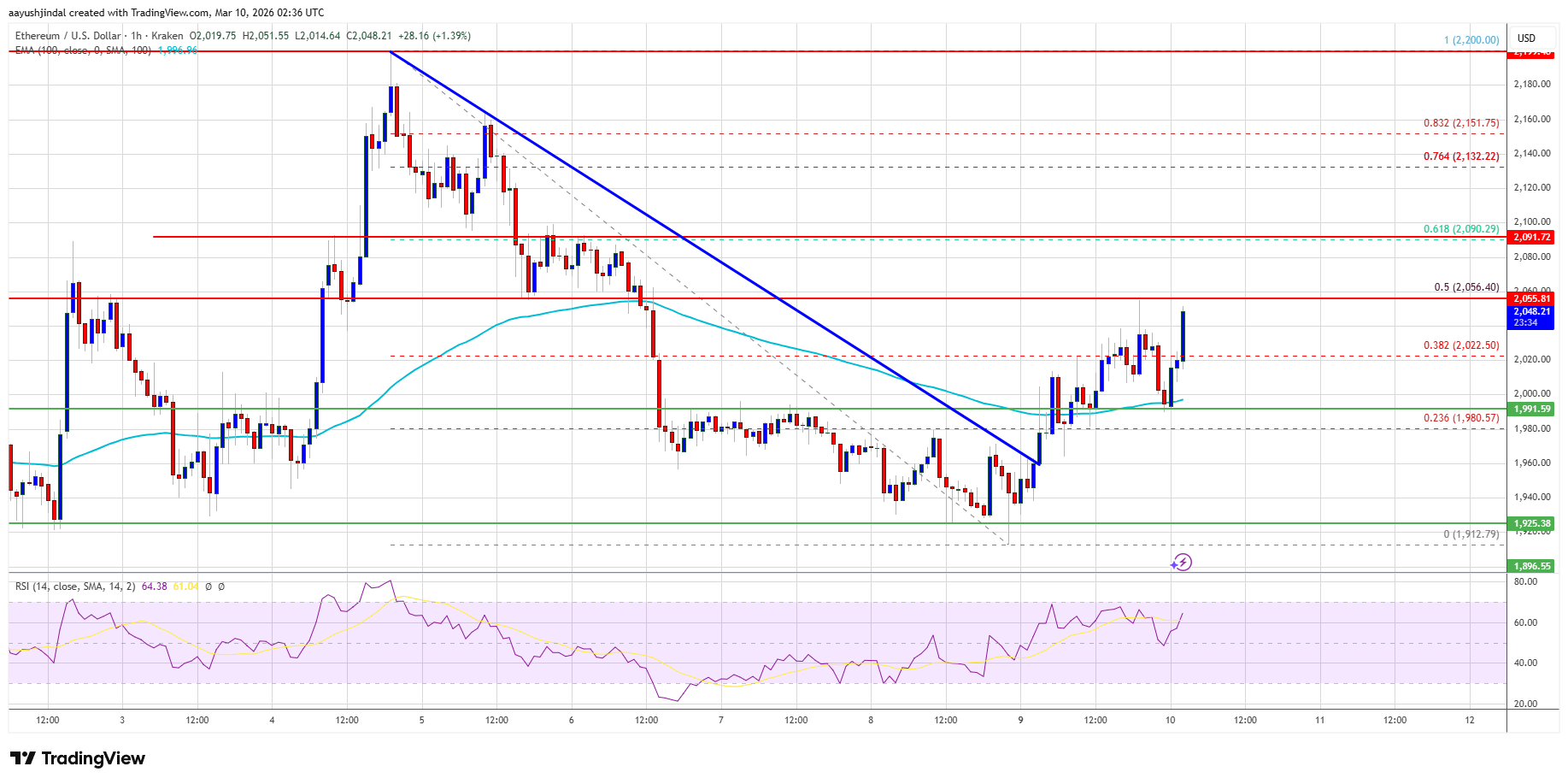
Ethereum Price Climbs Past $2,000, $2,200 Now in Bullish Crosshairs
ANIX Reports Smaller Losses but Revenue Remains at Zero
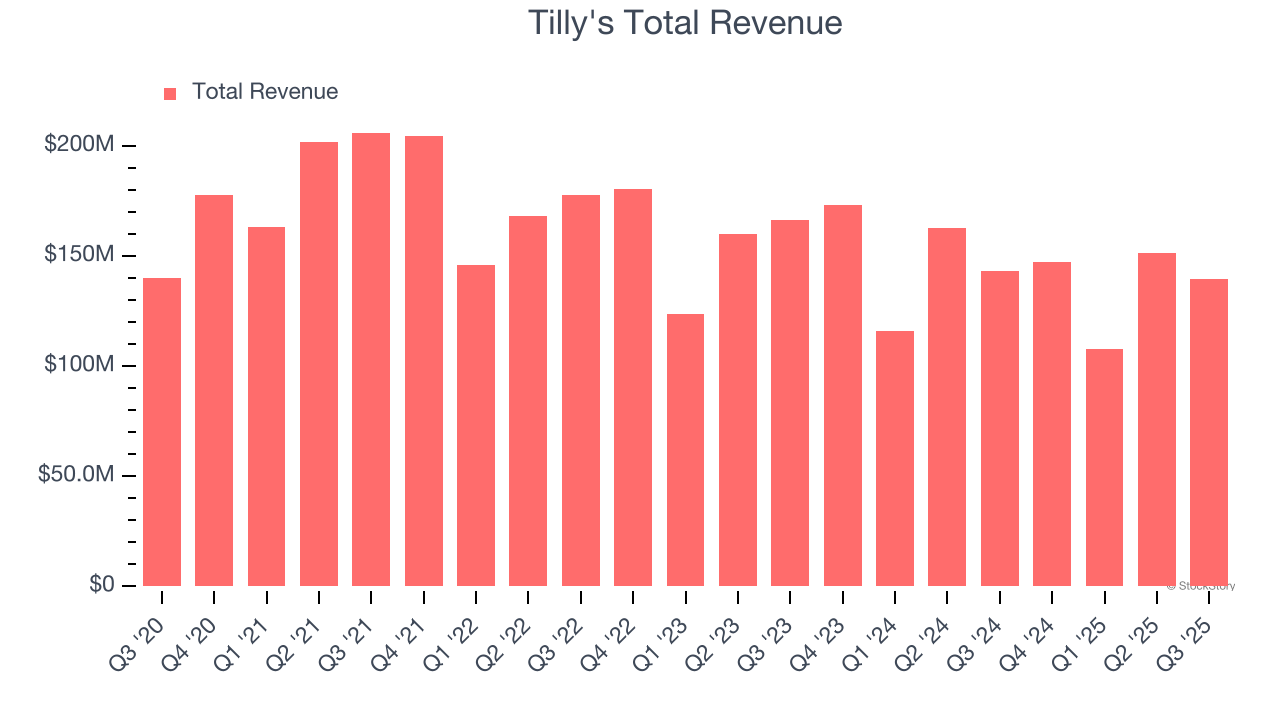
Tilly's (TLYS) To Report Earnings Tomorrow: Here Is What To Expect
Trending news
MoreCrypto prices
More





