
Stellantis Aims to Regain Profitability Following Expensive Shift in EV Strategy

Stellantis Shifts Focus Away from Electric Vehicles Amid Major Losses
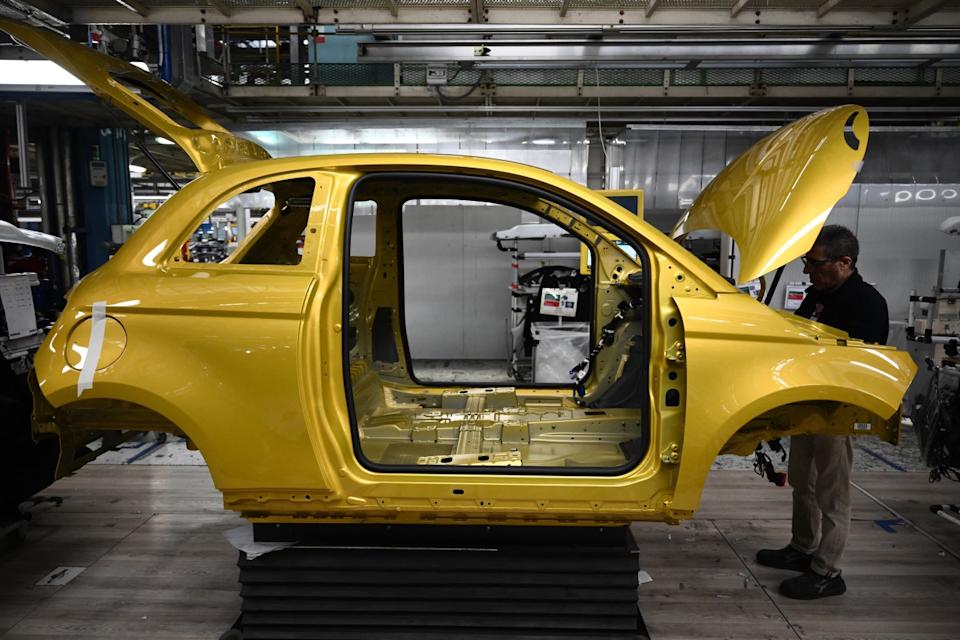
Stellantis, along with several other leading car manufacturers, is scaling back its electric vehicle ambitions. The company announced that it plans to return to profitability this year by reintroducing popular models, including its powerful eight-cylinder “Hemi” engines, following a step back from EVs.
On Thursday, Stellantis revealed an annual net loss of €22.3 billion (about $26.34 billion), largely due to significant charges previously disclosed as the company reduces its investments in electric vehicles.
Top Stories from The Wall Street Journal
- Wall Street Traders Are Pouncing on the Tariff Refund Chaos
- The Math Behind Trump’s Eye-Catching Economic Ideas
- Nvidia Beats Back Bubble Fears With Record $68 Billion in Sales in Fourth Quarter
- The $130 Billion Race for Companies to Get Their Tariff Money Back
- Washington Post Losses Topped $100 Million in 2025
Major automakers, including Stellantis, are reevaluating their electric vehicle strategies and shifting resources back to hybrids and traditional gasoline engines. This change comes as consumers hesitate to purchase EVs due to high prices, concerns about driving range, and the reduction of government incentives.
Antonio Filosa, Stellantis’s CEO, stated that the financial setback highlights the consequences of misjudging how quickly the energy transition would progress.
Filosa explained that Stellantis is now adjusting its approach to give customers more options, offering electric, hybrid, and gasoline-powered vehicles.
In the past year, the company introduced ten new models, including the return of classic vehicles like the Jeep Cherokee and the “Hemi V8” Ram 1500 pickup, which had previously been discontinued during the rapid shift to electric vehicles.
Stellantis reported some positive momentum, noting that while annual revenue dropped by 2% to €153.51 billion, sales and orders improved in the second half of the year as the product range expanded.
The company posted an adjusted operating loss of €842 million, a sharp reversal from the €8.65 billion profit recorded in 2024.
Looking ahead to 2026, Stellantis aims to achieve a moderate increase in revenue and return to a slightly positive adjusted operating margin.
“Our priority in 2026 will be to address past execution gaps and accelerate our path back to profitable growth,” Filosa said.
Earlier this month, Stellantis announced charges totaling around $26 billion, stemming from the cancellation of certain vehicle platforms and models—such as the Ram 1500 EV and Jeep Wrangler 4xe—as well as the sale of a stake in a Canadian battery facility and other factors.
To strengthen its financial position, the company will issue bonds and temporarily suspend shareholder dividends.
This news caused Stellantis shares to fall to their lowest point since the company was created through the 2021 merger of PSA Group (Peugeot) and Fiat Chrysler Automobiles.
Industry-Wide Reassessment of Electric Vehicle Investments
Stellantis’s recent write-downs mirror similar moves by other automakers, as the sector pulls back from aggressive plans to replace gasoline vehicles with EVs. The current U.S. administration has reduced support for electric vehicles, cutting subsidies, limiting funding for charging stations, and rolling back emissions regulations that favored EVs.
Together with losses reported by General Motors and Ford, the total charges related to scaling back EV investments have surpassed $50 billion in recent months.
Following these substantial EV-related expenses, Stellantis now faces the challenge of how quickly it can recover.
“It seems almost impossible for Stellantis results to deteriorate further,” wrote Citi analyst Harald Hendrikse in a note to clients. However, he also warned that a turnaround will not happen overnight, despite the company hitting a clear low point in profitability.
For further information, contact Joshua Kirby at and Stephen Wilmot at
More Top Reads from The Wall Street Journal
- Apple Needs to Copy Samsung’s New Security Smartphone Screen ASAP
- Kalshi Fines Former Gubernatorial Candidate, MrBeast Employee on Prediction Wagers
- Blue Owl Fallout Sets Off Retail-Investor Panic. Their Advisers Are Urging Calm.
- What to Know About Trump’s New Retirement Plan Idea
- What I Saw Inside Apple’s U.S. Chip Supply Chain
Disclaimer: The content of this article solely reflects the author's opinion and does not represent the platform in any capacity. This article is not intended to serve as a reference for making investment decisions.
You may also like
AI需求依然强劲,ASML预计未来五年销售增长率平均为8%-14%
The Saturday Spread: Leveraging a Lesser-Known Signal to Evaluate Genuine Market Risk
Ripple Releases Whitepaper for Banks to Buy and Sell Crypto
Assessing SPX6900’s 55% crash – Why SPX bulls need $0.27 to hold
Trending news
MoreCrypto prices
More





