
AI is consuming vast amounts of the world's memory chips, driving smartphone costs to unprecedented levels, according to a report

Smartphone Prices Surge Amid Global Memory Chip Shortage
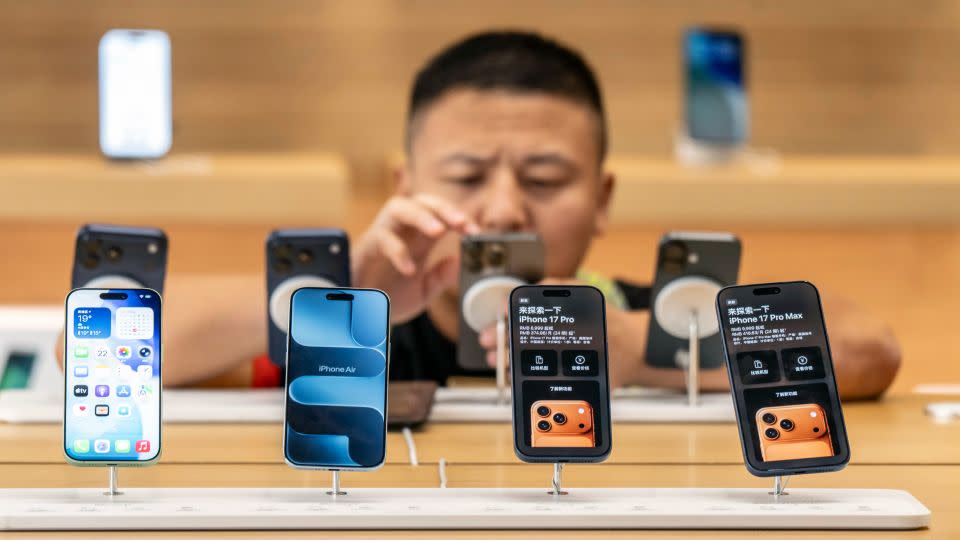
According to a recent analysis, the average price of smartphones is projected to climb by 14% this year, reaching a record high of $523.
AI-Driven Memory Chip Crisis Shakes the Industry
A worldwide scarcity of memory chips, fueled by the rapid expansion of artificial intelligence, has sent shockwaves through the smartphone sector. This shortage is causing device prices to soar to unprecedented levels, as outlined in a new report.
The International Data Corporation (IDC), a technology research organization based in Boston, warns that the deepening deficit in memory components could force some phone makers out of the market and drive smartphone costs higher than ever before.
Francisco Jeronimo, IDC’s mobile device research lead, described the situation as a “tsunami-like shock” that is reverberating throughout the entire consumer electronics landscape, not just smartphones.
Record High Prices and Declining Sales
The IDC report forecasts that the average smartphone price will hit $523 this year—a 14% jump—while phones priced under $100 may disappear entirely. Additionally, global smartphone shipments are expected to drop by 12.9% in 2026, falling to 1.12 billion units, marking the lowest sales volume in over ten years.
AI Boom Redirects Chip Supply
This chip shortage has its roots in the explosive growth of artificial intelligence and the resulting demand for data centers, which rely heavily on memory chips. As demand has surged, major Asian memory chip producers have shifted their focus to supplying the AI sector, leaving fewer chips available for consumer electronics like smartphones, laptops, and gaming consoles.
The IDC anticipates that this supply crunch will have lasting consequences for smartphone manufacturers, particularly smaller brands that use Google’s Android system. In contrast, industry leaders such as Apple and Samsung are expected to weather the crisis more easily and may even expand their market share.
“There’s no going back to the way things were for device makers and consumers,” said Nabila Popal, IDC’s senior research director.
Changing Role of Memory Chips
Memory chips were once seen as a stable but low-margin segment of the semiconductor industry. However, the surge in AI applications has dramatically increased their importance and value.
Nvidia CEO Jensen Huang, whose company leads in AI chip development, emphasized the growing need for memory in AI progress. “The amount of memory required for AI to be effective is rising significantly,” he noted during a press event in Taiwan. “Memory is crucial for AI’s future.”
As artificial intelligence evolves, it demands greater processing power and memory capacity. Traditional devices like smartphones and laptops typically use DRAM (dynamic random-access memory), but the industry is now prioritizing HBM (high bandwidth memory), which is essential for advanced data centers and high-performance technologies.
Soaring Chip Prices and Industry Response
Both DRAM and HBM chip prices have reached new heights, nearly doubling in the first quarter of 2026 compared to the previous quarter, according to Counterpoint Research. This has forced electronics makers to either reduce memory in their products or focus on premium devices.
The world’s top memory chip suppliers—SK Hynix, Samsung, and Micron—have seen their stock prices hit record levels this year, with production capacity nearly fully booked. Taiwanese competitors like Nanya Technology, Winbond Electronics, and Powerchip Semiconductor Manufacturing have also pledged to ramp up output as their shares surge.
Industry experts and executives caution that the memory chip shortage is likely to persist well into the following year. During a January earnings call, Tesla CEO Elon Musk identified limited memory chip supply as a major obstacle to future growth, suggesting the company may need to invest in its own chip manufacturing to secure access.
Disclaimer: The content of this article solely reflects the author's opinion and does not represent the platform in any capacity. This article is not intended to serve as a reference for making investment decisions.
You may also like
Should you consider investing in Costco shares before the second quarter earnings announcement?
Why Las Vegas Sands (LVS) Stands Out as a Leading Long-Term Momentum Stock
Archer's Midnight Air Taxis To Feature Musk's Starlink
Apemars Presale vs Based Eggman: Memecoin Presales to Buy in 2026, Dogecoin and Pepecoin Hype Dies

Trending news
MoreCrypto prices
More





