
Spotify Shares Drop 1.49% Despite Earnings Beat as $950M Volume Plummets 53% to 139th in Market Activity

Market Snapshot
Spotify Technology (SPOT) declined 1.49% on March 2, 2026, with a trading volume of $0.95 billion—a 52.95% drop from the previous day’s volume, ranking 139th in market activity. The stock closed at $514.94, remaining within its 52-week range of $405.00 to $785.00. Despite a strong quarterly earnings report, including a $5.16 earnings-per-share (EPS) beat and 6.8% year-over-year revenue growth, the stock has fallen 34% from its 52-week high. Analysts project 10.3 EPS for the current fiscal year, reflecting optimism about Spotify’s profitability and margin expansion.
Key Drivers
Spotify’s recent earnings report underscored its financial strength, with a 31.35% return on equity (ROE) and 13.16% net margin, outpacing many peers in the streaming sector. The company reported $5.32 billion in quarterly revenue, exceeding expectations of $5.14 billion, and demonstrated a 6.8% year-over-year revenue increase. These metrics highlight Spotify’s ability to leverage its scale for profitability, a key factor in attracting analysts and investors. Following the results, Arete Research upgraded the stock to “Buy” with a $586 price target, while DZ Bank and Barclays also raised their price targets, reflecting growing confidence in Spotify’s margin durability.
Product innovation further bolstered sentiment. SpotifySPOT-1.49% launched AI-powered Prompted Playlists and Smart Reorder features for Premium users, aiming to enhance engagement and average revenue per user (ARPU). These tools, combined with audiobook expansion, signal the company’s strategy to diversify revenue streams. While audiobooks are in early stages, they align with broader streaming tailwinds, including AI-driven personalization and ad-supported subscriptions. Analysts noted that incremental product upgrades, such as improved playlist sequencing, could incrementally increase user retention and perceived value, supporting long-term growth.
However, the stock’s 1.49% decline on the day suggests lingering caution. Despite strong fundamentals, Spotify’s valuation appears mixed. The stock trades at 40.5x forward earnings and 5.2x revenue, with a consensus price target of $698.91, implying a 34% upside from its March 2 closing price. Yet, some analysts, including Pivotal Research and UBS, have trimmed price targets, citing structural deceleration in user growth. Morningstar’s “Narrow Moat” rating also highlights risks, such as competitive pressures from TikTok and Netflix, which could constrain margins if subscriber growth slows.
Institutional activity added nuance. Fisher Asset Management and APG Asset Management increased holdings, with the latter acquiring 2,600 shares. These purchases, coupled with analyst upgrades, suggest short-term optimism. Yet, the broader market context remains challenging: Spotify underperformed the US Entertainment sector and S&P 500 over the past year, with a -14.16% return versus 3.5% and 15.5%, respectively. This underperformance may reflect investor skepticism about Spotify’s ability to sustain its current growth trajectory, particularly as it faces higher costs in content licensing and AI development.
Looking ahead, Spotify’s success will hinge on balancing innovation with profitability. The company’s focus on AI-driven personalization and audiobook expansion positions it to capture incremental revenue, but execution risks persist. Analysts emphasized that while Spotify’s operational leverage and margin expansion are compelling, the stock’s valuation remains sensitive to macroeconomic conditions and sector-wide shifts in user behavior. For now, the recent earnings beat and product launches provide a near-term catalyst, but long-term gains will depend on Spotify’s ability to maintain its leadership in a rapidly evolving market.
Disclaimer: The content of this article solely reflects the author's opinion and does not represent the platform in any capacity. This article is not intended to serve as a reference for making investment decisions.
You may also like

新加坡股开市:富时新加坡海峡指数跌0.35%,大华银行、星展集团控股等小幅下跌
an exchange CEO: Cross-Border Payments Should Be Instantaneous and Not Eroded by High Fees
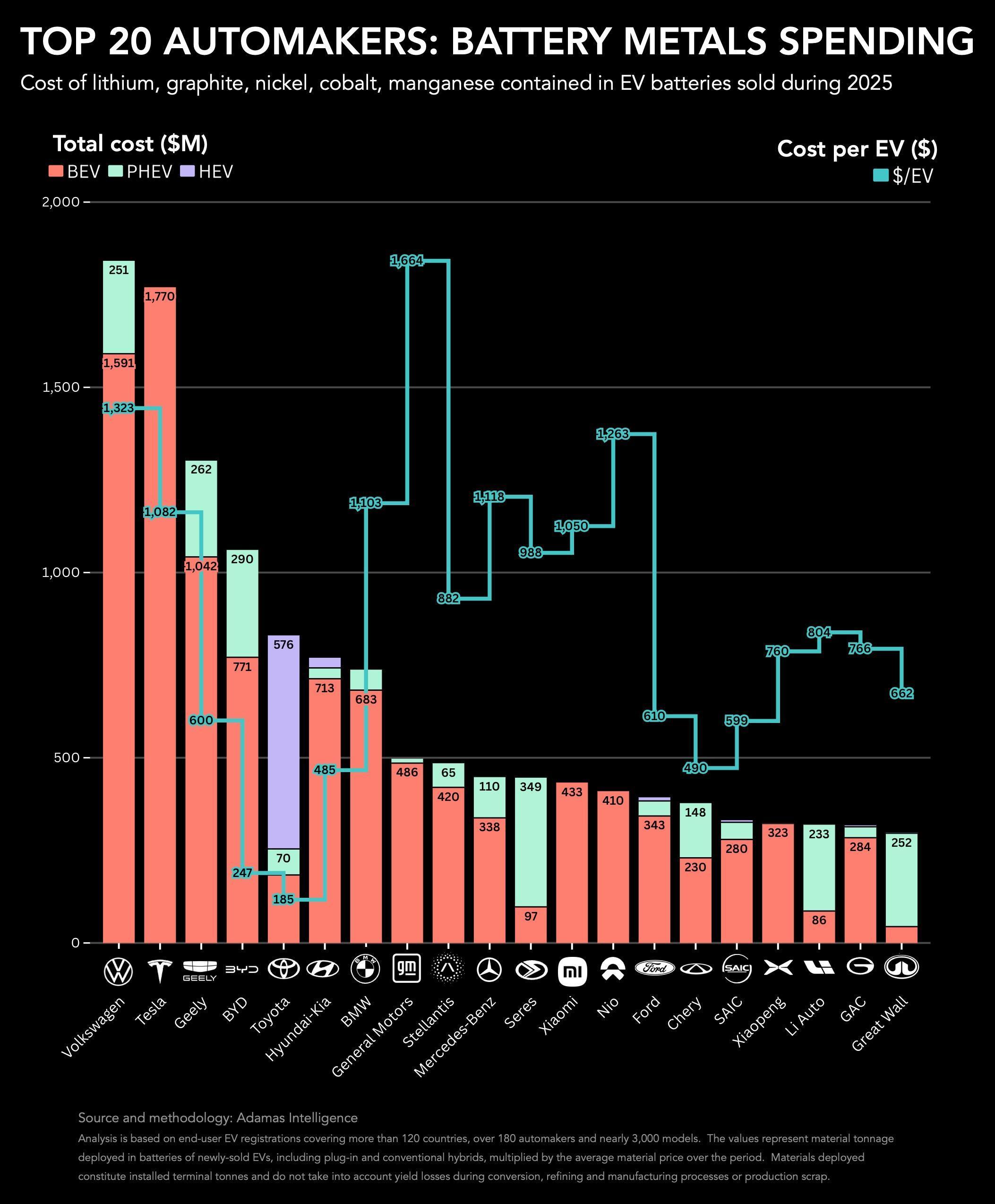
RANKED: Top 20 automakers by battery metals spending
Trending news
MoreCrypto prices
More





