
The top three concerns investors have regarding the Iran crisis

Morning Brief Takeaway
Receive the Morning Brief in your inbox each day by subscribing here. Each edition includes:
- Key stories we're monitoring
- Recommended reading
- Updates on economic data and earnings reports
Within just two months, the United States has played a pivotal role in removing two foreign leaders, all under a president who once campaigned against overseas interventions and nation-building efforts.
Following the events in Venezuela, President Trump shifted his attention toward Iran.
This time, Iran’s response has shifted the dynamics, introducing a level of unpredictability that investors are closely watching. The markets have already reacted to the conflict in Iran, with oil prices and inflation-sensitive sectors taking center stage.
As tensions in the Middle East escalate, investors are also grappling with the economic implications of artificial intelligence. February ended with markets in decline, capping off a stretch marked by volatility and uncertainty.

Subscribe to Yahoo Finance Morning Brief
Stay informed with the latest market insights and news delivered to your inbox. By subscribing, you agree to Yahoo’s Terms and Privacy Policy.
Armed conflict involving multiple nations represents a significant geopolitical risk. Yet, on Monday, the stock market initially opened lower but rebounded to finish higher, suggesting investors are weighing the risks carefully.
The president has indicated that US military actions in Iran could continue for several weeks. Investors, meanwhile, are adding “Iran” to a growing list of issues to watch, alongside trade developments after the Supreme Court’s recent ruling and ongoing AI trends.
Global conflicts inevitably create both beneficiaries and those who lose out. As the situation in Iran unfolds, its economic ripple effects are becoming more apparent.
Top Three Questions About the Iran Crisis
1. What Are Markets Indicating?
Various market signals are pointing to the likelihood of ongoing disruptions. Oil prices soared on Monday, with Brent crude futures (BZ=F) jumping as much as 13% above $82 per barrel before settling below $78. West Texas Intermediate (CL=F) hovered just under $71. This marked the largest single-day increase in four years, though prices later stabilized.
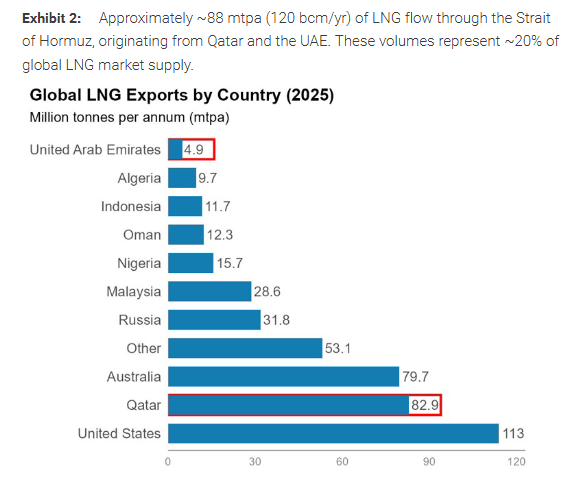
As OPEC’s fourth-largest oil producer, Iran’s conflict has disrupted shipping through the Strait of Hormuz, halting tanker traffic and fueling inflation concerns.
Bond yields are climbing as traders weigh the possibility that renewed inflation could prompt the Federal Reserve to delay interest rate cuts. The likelihood of a Fed rate reduction in the next four meetings has decreased since the onset of US and Israeli strikes.
Former Treasury Secretary Janet Yellen noted that if the conflict continues to affect oil markets, the Fed may face greater challenges balancing economic growth and inflation.
2. Who Stands to Gain or Lose?
Energy companies like Exxon (XOM) saw their shares rise on Monday, reflecting the surge in oil prices. Defense contractors also benefited, with Lockheed Martin (LMT) gaining over 2% as the prospect of prolonged conflict increased demand for military equipment.
Gold (GC=F) continued its impressive rally, reinforcing its status as a safe haven during global turmoil. The precious metal climbed nearly 2%, briefly surpassing $5,400 an ounce. JPMorgan analysts expect gold to gain an additional 5% to 10% in the near term due to heightened risk premiums.
On the other hand, travel-related stocks suffered. Shares of Delta Air Lines (DAL) and United Airlines (UAL) both fell by more than 2%. Major airports in the Middle East experienced significant disruptions as passengers sought to avoid potential retaliatory attacks from Iran.
Several European airlines with hubs in the Persian Gulf suspended flights and rerouted planes to steer clear of affected airspace.
Homebuyers also felt the impact, as mortgage rates climbed alongside Treasury yields amid renewed inflation fears.
Given the evolving nature of the situation, these outcomes remain tentative. The ultimate effects will depend on how long the conflict endures and the extent of its direct and indirect consequences. Historically, Wall Street has often downplayed geopolitical flare-ups, but this time may be different.
3. What’s Next for Oil and Gas?
Gasoline prices approached $3 per gallon on Monday as oil costs surged. With shipping bottlenecks at a crucial global transit point, further increases are likely, potentially clashing with President Trump’s promise to lower gas prices.
Patrick De Haan, head of petroleum analysis at GasBuddy, told Yahoo Finance that drivers should brace for higher prices at the pump in the coming days and weeks.
De Haan forecasts that gas prices could rise by $0.10 to $0.30 per gallon this week. The seasonal switch to cleaner, more expensive gasoline for spring is also contributing to the upward trend.
Natural gas supplies are also at risk. Goldman Sachs projects that European natural gas prices could more than double if the Strait of Hormuz remains closed for a month, reminiscent of the energy shocks during Russia’s invasion of Ukraine.
Ultimately, the key question remains: How long will these disruptions persist?
Hamza Shaban covers markets and the economy for Yahoo Finance.
Find the latest economic news and indicators to guide your investment decisions
Read up-to-date financial and business news from Yahoo Finance
Disclaimer: The content of this article solely reflects the author's opinion and does not represent the platform in any capacity. This article is not intended to serve as a reference for making investment decisions.
You may also like
T Unveils Intelligent Manufacturing Solution: Can It Enhance Future Growth?
Oracle’s AI Pipeline Expands: Can Continued Growth Be Expected?
Trending news
MoreCrypto prices
More





