
Locals prefer satoshis to dollars, says Africa Bitcoin chair Stafford Masie

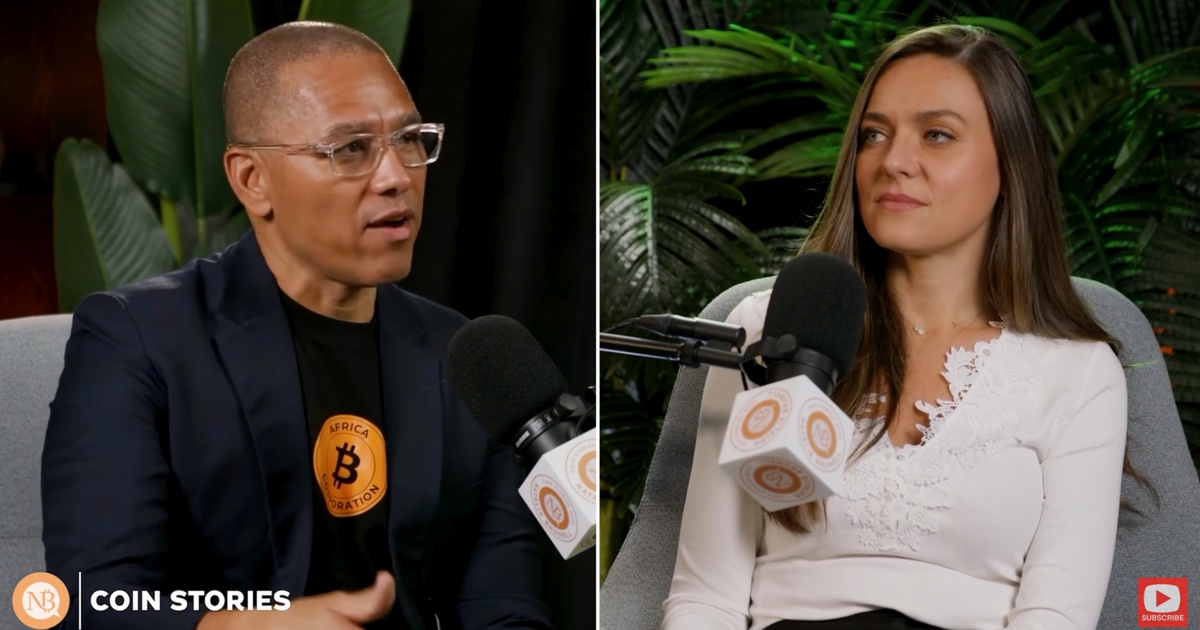
Stafford Masie, executive chairman of Africa Bitcoin Corporation, said Tuesday that Bitcoin functions as everyday money in parts of Africa rather than primarily as a store of value.
Speaking to Natalie Brunell on the Coin Stories podcast on Tuesday, Masie said the framing of Bitcoin (BTC) differs sharply across regions.
“Where I come from, Bitcoin is money,” he told Brunell, adding that in some circular economies in Africa, merchants “won’t accept dollars — they accept satoshis.”
While investors in developed markets often emphasize its role as an inflation hedge, he described communities where satoshis circulate directly in local economies. He also pointed to the stark difference between inflation in the West and in parts of Africa.
“When you guys talk about debasement, you talk about 4% to 5% annually — we talk about 4% to 5% in an afternoon,” he said.
 Source:
Coin Stories
Source:
Coin Stories
Masie compared the shift to the continent’s rapid adoption of mobile technology, arguing that younger populations are bypassing legacy financial systems. Rather than transitioning gradually from stable fiat currencies, he described a move from what he called “broken money” and sharp currency debasement into digital assets.
He also highlighted Africa’s youthful demographics as a key factor, noting that more than a quarter of the continent’s population is under 20. He said younger generations are embracing emerging technologies such as artificial intelligence and they “love Bitcoin.”
Masie said that in this context, Bitcoin becomes more than a passive store of value. Instead, he described it as “pristine capital;” a financial substrate that individuals and businesses can build on. He said:
In Africa, we know the age before 2008 and the age after 2008. After the Bitcoin white paper and before the Bitcoin white paper. Our lives changed, because suddenly we had something that couldn’t be debased. It was immutable, decentralized, can’t be confiscated. That to an African is life or death.”
Masie is a longtime technology executive who previously led major tech operations in South Africa.
Related: Africrypt founders back in South Africa years after platform collapse: Report
Crypto adoption in Africa
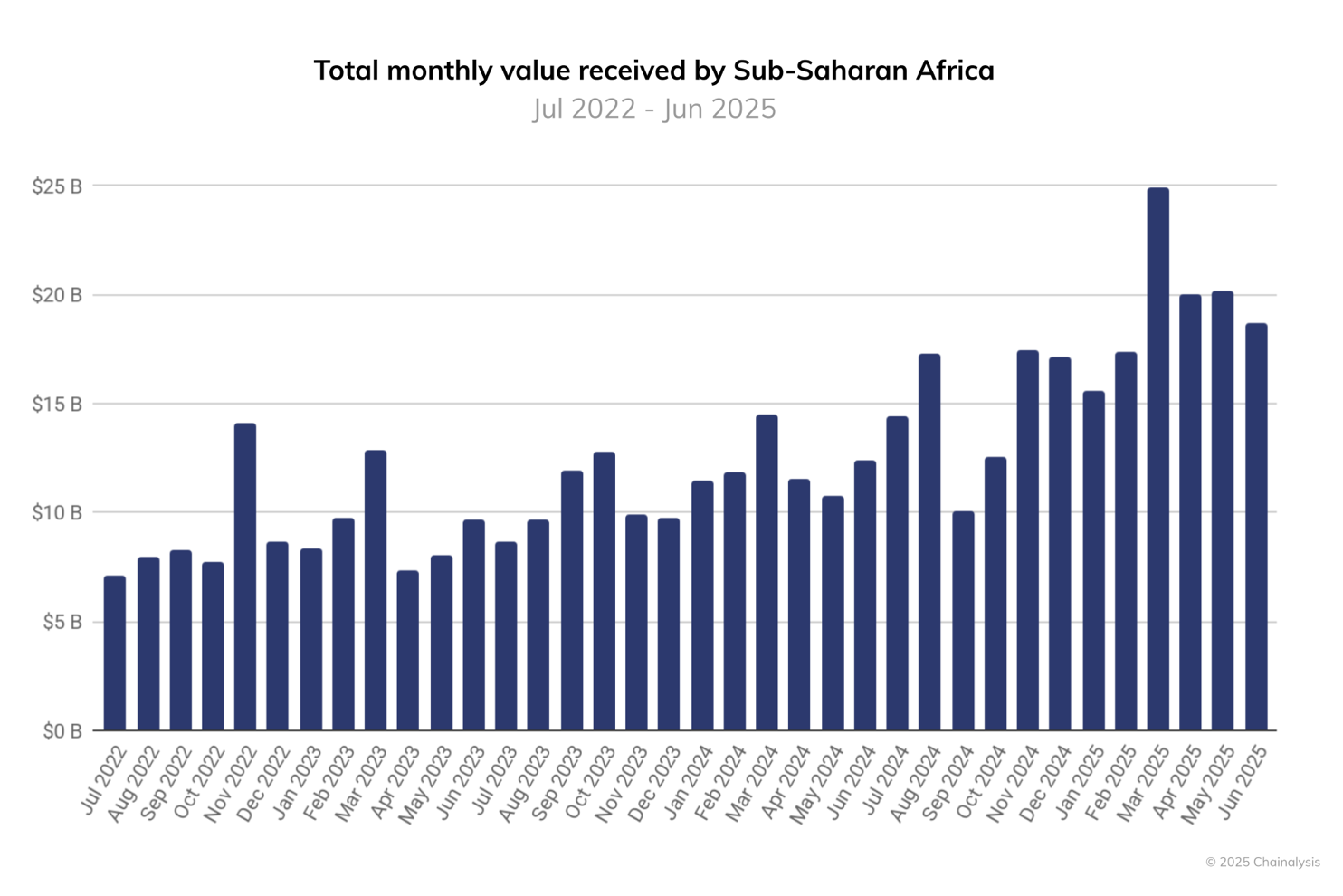
Data from blockchain analytics company Chainalysis appears to back up the shift on the continent that Masie is describing.
From July 2024 to June 2025, Sub-Saharan Africa received more than $205 billion in onchain value, up 52% year-on-year, making it the third-fastest growing crypto region globally. In March 2025 alone, monthly volume spiked to nearly $25 billion, driven largely by activity in Nigeria following a currency devaluation.
 Source:
Chainalysis
Source:
Chainalysis
Sub-Saharan Africa has also stood out as a retail-driven crypto market. Transfers under $10,000 accounted for more than 8% of total value sent in the region during the same time period, compared with about 6% globally, according to the report released in September.
At the same time, Nigeria and South Africa showed notable institutional activity, with onchain flows indicating recurring multimillion-dollar stablecoin transfers linked to cross-border trade between Africa, the Middle East and Asia.
In January, speaking at the World Economic Forum, former UN Under-Secretary-General Vera Songwe explained how stablecoins are increasingly viewed as a cheaper remittance and settlement tool in Africa.
She said remittances have become “more important than aid” in many African economies, while traditional transfers can cost about $6 per $100 sent. With inflation exceeding 20% in about a dozen countries and an estimated 650 million people unbanked, she said stablecoins offer both a payments rail and a store of value in markets facing currency pressure.
Magazine: Would Bitcoin really be at $200K if not for Jane Street? Trade Secrets
Disclaimer: The content of this article solely reflects the author's opinion and does not represent the platform in any capacity. This article is not intended to serve as a reference for making investment decisions.
You may also like
Red Cat Holdings Surges 7.5% on Analyst Upgrades and Strategic Partnerships, Ranks 254th in Trading Activity
Trending news
MoreCrypto prices
More





