
USAC's Fostung Tungsten Deposit: Evaluating a North American Source Amidst a Constrained Market

Tungsten Market Faces Severe Supply Shortage
The global tungsten market is experiencing a significant supply-demand imbalance, primarily due to a sharp reduction in available supply. China, responsible for nearly 75% of global tungsten mining, has played a central role in this shift. In 2025, the Chinese government reduced its mining quota by 6.5%, immediately tightening global supply. This was further exacerbated by the introduction of export restrictions in February 2025, which led to a nearly 40% year-over-year drop in tungsten exports. These developments have triggered an acute shortage, pushing prices to unprecedented highs.
Ammonium paratungstate (APT), a crucial intermediate product in the tungsten supply chain, reached new price records in China in January, trading between $1,125 and $1,150 per metric ton unit. Rotterdam prices also hit historic peaks. According to BMO Global Commodities Research, this price surge is not a short-term anomaly but signals a lasting shift. The world, they warn, has "sleepwalked" into a tungsten crunch, with another supply shortfall expected in 2026. Over the past year, prices throughout the tungsten value chain have soared, in some cases by more than 400%.
This shortage is rooted in structural issues. China’s tungsten reserves are declining in quality, and extraction costs are rising. Meanwhile, new mining projects outside China are scarce, with less than 5,000 tons of additional capacity expected worldwide in 2026. Demand remains strong, driven by industries such as aerospace, defense, and the growing use of tungsten wire in solar energy. With inventories at critically low levels, the market has entered a phase where prices are quick to rise but slow to fall.
The Fostung Project: A North American Opportunity
Against this backdrop, the Fostung deposit stands out as a potential new source of tungsten for North America. While it may not reshape the global market, it offers a valuable alternative to Chinese supply. The main investment rationale is to secure a reliable, non-Chinese source of this essential mineral in a market where shortages are expected to persist.
Resource Size and Strategic Location
The Fostung deposit is notable for its scale. A recent resource assessment estimates an inferred resource of 14.62 million metric tons at 0.17% WO3, equating to over 53 million pounds of tungsten trioxide. At current prices, this represents a gross metal value of about $4.6 billion. The resource was calculated using a 0.08% WO3 cut-off, a standard for economic viability, and could provide a multi-year supply if developed.
However, the project’s true significance lies in its strategic positioning. USAC acquired full ownership for just $5 million in cash and a 0.5% NSR royalty. Located in Ontario, Canada, near the historic Sudbury mining region, Fostung is ideally situated to serve North American markets seeking to reduce reliance on China, which has recently supplied over 80% of global tungsten.
This strategic advantage is especially important as supply becomes more concentrated and export controls intensify. The project’s location and cost structure make it a compelling candidate to help bolster North American supply security—a growing policy priority.
Economic and Development Considerations
The financial prospects for Fostung are closely tied to the current high-price environment for tungsten. The estimated gross value of $4.6 billion is directly linked to recent price spikes, with some intermediates like tungsten powder seeing price increases of over 400% in the past year. While this creates a strong incentive to advance the project, it also introduces volatility and risk to its financial foundation.
Transitioning from a resource estimate to an operational mine requires significant investment beyond the initial $5 million acquisition. The next steps involve costly engineering studies, permitting, and construction. To address these challenges, USAC is actively pursuing U.S. government support under the Defense Production Act, underscoring the project’s strategic importance and the need for substantial funding beyond what private investors can provide.
Developing Fostung will be a multi-year effort, requiring careful management of technical, regulatory, and financial hurdles. The global tungsten supply gap is projected to exceed 17% of demand through 2028, making Fostung a promising—but capital-intensive—option for North American supply resilience.
Key Drivers and Potential Risks
Turning Fostung from a promising resource into a producing mine is a complex and lengthy process. The immediate priority is securing U.S. government funding, which would help de-risk the project and accelerate development. Support under the Defense Production Act would provide essential capital and streamline permitting, moving the project closer to reality.
- Price Volatility: The project’s economics depend on sustained high tungsten prices. Although prices have risen dramatically, they could moderate if new global supply comes online more quickly than expected. With less than 5,000 tons of new capacity anticipated in 2026, the risk is currently low, but any acceleration in overseas projects could impact prices.
- Demand Fluctuations: While industrial demand remains strong, a global economic downturn could reduce consumption and weaken prices.
- Geopolitical Factors: China’s export controls, such as those outlined in the 2026 Catalogue of Dual-Use Items, highlight the risks of concentrated supply and the increasing use of supply chains as geopolitical tools. Fostung’s future is closely tied to these shifting international dynamics.
Ultimately, Fostung’s success will depend on securing government support, maintaining a tight supply-demand balance, and navigating an uncertain geopolitical landscape. These factors will determine whether the project can transition from a valuable resource to a reliable source of North American tungsten.
Disclaimer: The content of this article solely reflects the author's opinion and does not represent the platform in any capacity. This article is not intended to serve as a reference for making investment decisions.
You may also like
Crypto Market Experiences High Volatility Amid Overwhelming Fear Sentiment
Why investors could be rethinking their stance on the conflict with Iran
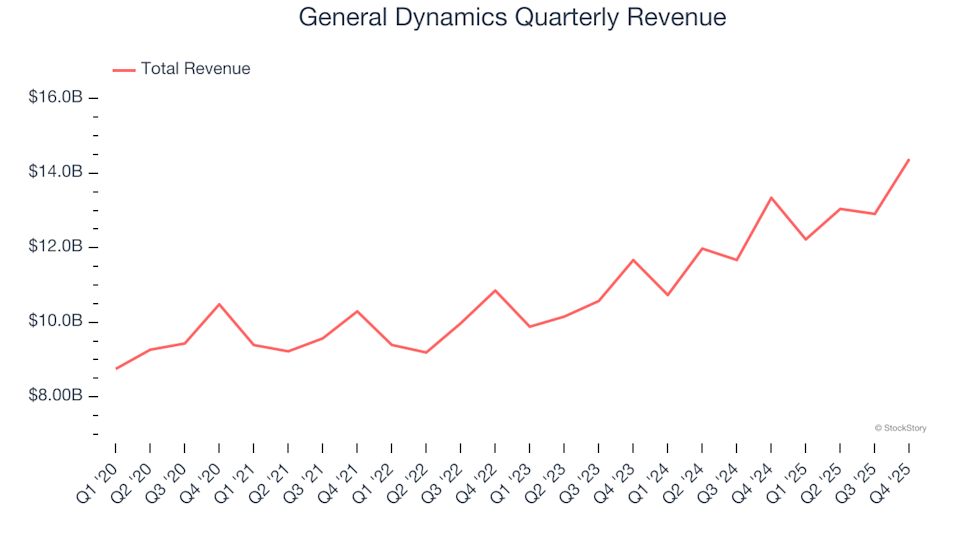
General Dynamics (GD): Should You Buy, Sell, or Hold After Q4 Results?
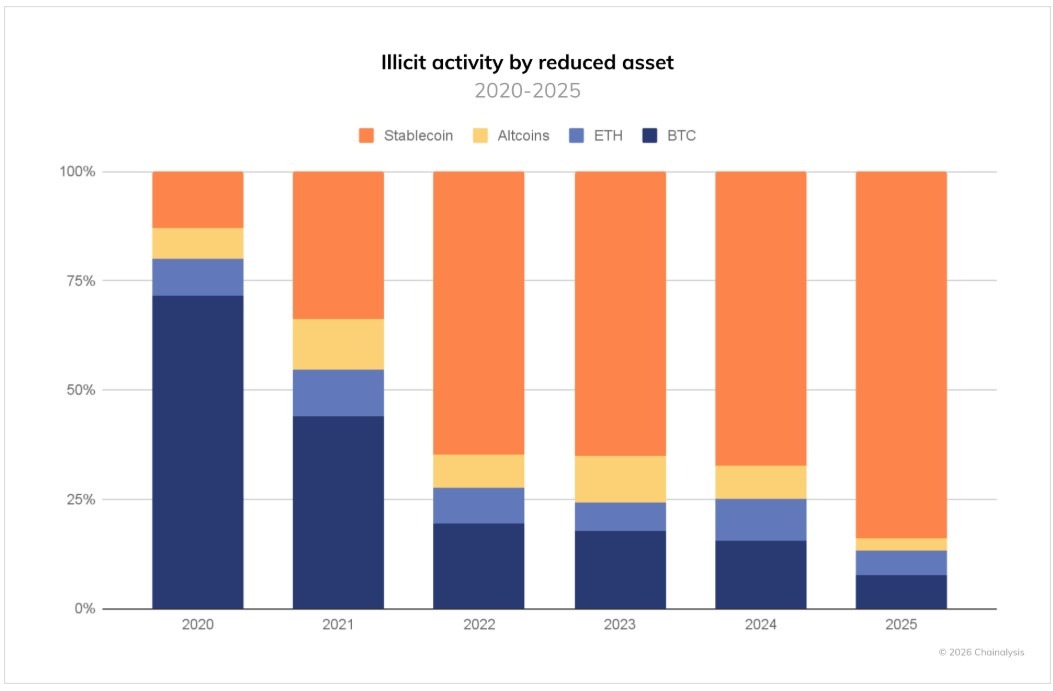
FATF says stablecoins now dominate illicit crypto flows including sanctions evasion
Trending news
MoreCrypto prices
More





