
EUR/JPY faces downward pressure as investors seek safety in the Yen during Middle East conflict

EUR/JPY Hovers Near 183.00 as Geopolitical Tensions Boost Yen
On Tuesday, the EUR/JPY pair was trading close to 183.00, reflecting a 0.10% decline for the day. The Japanese Yen has gained strength as investors seek safer assets amid escalating unrest in the Middle East.
European Economic Indicators Show Improvement
Recent European data suggests a pickup in economic momentum. Germany’s HCOB Services PMI climbed to 53.5 in February, surpassing both the forecast of 53.4 and January’s 52.4. The German Composite PMI also saw a slight increase, reaching 53.2 from 53.1 previously.
Across the Eurozone, the Composite PMI advanced to 51.9 in February, up from 51.3 in January and marking its highest level in three months. The Services PMI also improved, rising to 51.9 from 51.6, signaling a quicker expansion in activity compared to earlier in the year.
Inflation Data Sends Mixed Signals
Inflation figures released on Tuesday presented a mixed picture for policymakers. Preliminary data from Eurostat showed the Eurozone Harmonized Index of Consumer Prices (HICP) increased by 1.9% year-on-year in February, up from 1.7% in January. Core inflation, which excludes categories like food and energy, rose to 2.4% year-on-year, exceeding both market expectations and the previous 2.2% reading.
Safe-Haven Demand Lifts Yen Despite Positive Eurozone Data
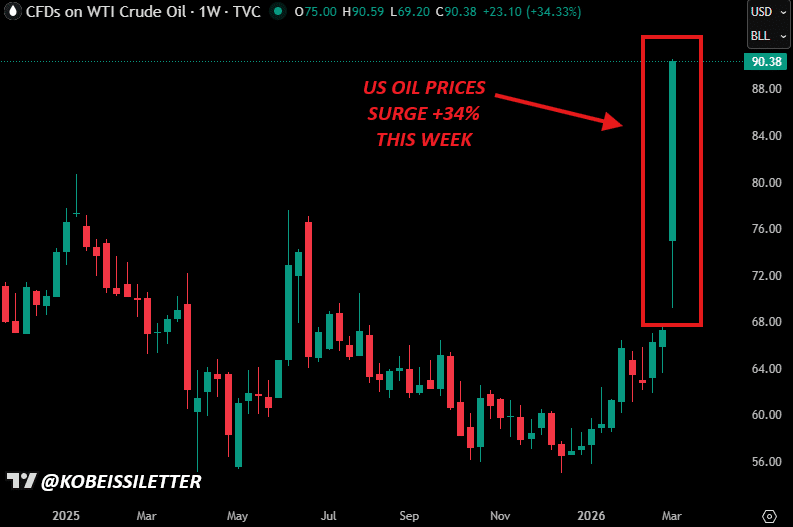
Although the Euro has been supported by encouraging economic reports, the Japanese Yen is currently benefiting from a surge in risk aversion. Heightened tensions involving the United States, Israel, and Iran—following statements from former US President Donald Trump about significant strikes on Iranian military sites—have prompted investors to favor safe-haven assets like the Yen.
Bank of Japan Comments and Policy Outlook
The Yen has also found support from recent remarks by policymakers. Bank of Japan Deputy Governor Ryozo Himino indicated on Monday that while the central bank’s stance remains “somewhat accommodative,” gradual interest rate increases could be warranted if economic and inflation targets are achieved.
However, the Yen’s upward movement may be restrained. According to Reuters, sources familiar with the Bank of Japan’s internal discussions suggest that recent market instability linked to the Middle East conflict could prompt the BoJ to postpone a potential rate hike at its March meeting. Additionally, Japanese Prime Minister Sanae Takaichi has expressed caution regarding further tightening, which may limit gains for the Yen and help stabilize EUR/JPY.
Analysts: Yen Caught Between Risk Aversion and Policy Uncertainty
Experts at MUFG observe that the Yen is currently influenced by two competing factors: increased demand for safe-haven assets and ongoing uncertainty about Japan’s monetary policy outlook. They note that while heightened risk aversion could drive further Yen appreciation, continued conflict in the Middle East may reduce the likelihood of an imminent rate hike by the Bank of Japan.
Disclaimer: The content of this article solely reflects the author's opinion and does not represent the platform in any capacity. This article is not intended to serve as a reference for making investment decisions.
You may also like
In the United States, prediction markets spark debate after bets on Iran

We Asked Google Gemini Where XRP Will Trade On March 31, 2026, Here’s What It Said
Bitcoin – How ceasefire hopes, oil prices are driving crypto market’s volatility
Polymarket Founder Reports Increasing Pushback Against War Wagers

Trending news
MoreCrypto prices
More





