
Morgan Stanley explains why gold is falling despite Iran escalation

Investing.com -- Gold prices have shown unexpected weakness despite escalating geopolitical tensions in the Middle East, a move analysts say is largely being driven by currency dynamics and liquidity needs.
The recent strength of the U.S. dollar has become a key headwind for precious metals, even as geopolitical uncertainty typically supports demand for gold.
“Uncertainty typically supports safe havens, implying upside for gold,” Morgan Stanley strategists led by Amy Gower wrote in a note, but added that recent price action has been “more mixed with USD strength.”
Several forces are currently influencing gold prices simultaneously. These include expectations around Federal Reserve interest-rate cuts, currency movements, geopolitical risk, and market liquidity conditions.
According to the strategists, the recent selling in gold may reflect investors raising cash during periods of market stress rather than a fundamental shift in sentiment.
“We think gold’s underperformance is likely to be temporary if the current situation continues, with recent selling most likely due to the need for liquidity,” the strategists said.
Should geopolitical tensions remain elevated, the strategists said they would “expect gold to catch up – $5700/oz” in the second half of the year.
The team also highlighted the role of the U.S. dollar in shaping commodity price movements. A stronger dollar tends to weigh on metals prices by making them more expensive for non-U.S. buyers, while a weaker dollar typically supports commodity markets.
The bank’s foreign-exchange strategists expect near-term volatility in the currency, with risks in both directions depending on global macro and energy market dynamics.
At the same time, gold demand could receive support from oil-linked revenue flows in the Middle East. Higher energy prices may strengthen regional government finances and potentially increase central-bank purchases of bullion.
Middle Eastern central banks bought roughly 90 tonnes of gold in 2022, part of around 400 tonnes of global net purchases that year, the strategists noted.
Trade flows also remain a factor. The bank pointed out that Dubai handles a significant share of global bullion trade, with about 20% of global gold flows passing through the emirate, making it the second-largest exporter after Switzerland.
Disclaimer: The content of this article solely reflects the author's opinion and does not represent the platform in any capacity. This article is not intended to serve as a reference for making investment decisions.
You may also like
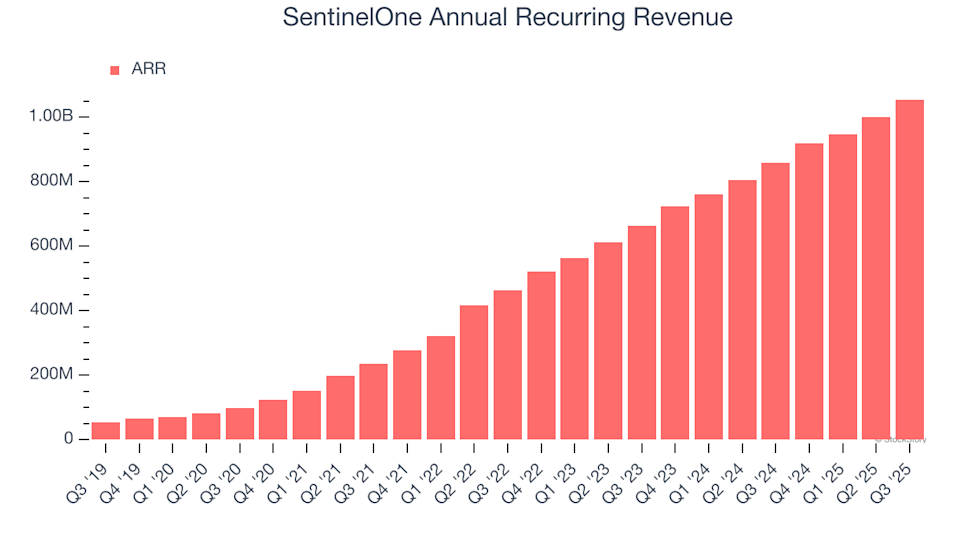
3 Reasons Why SentinelOne (S) Has Won Our Support
Goldman Sachs: If Middle East Situation Deteriorates Rapidly, Fed Has Room for Two Rate Cuts This Year
EUR/USD: Eurozone PMIs firm as ECB pricing shifts – BNY
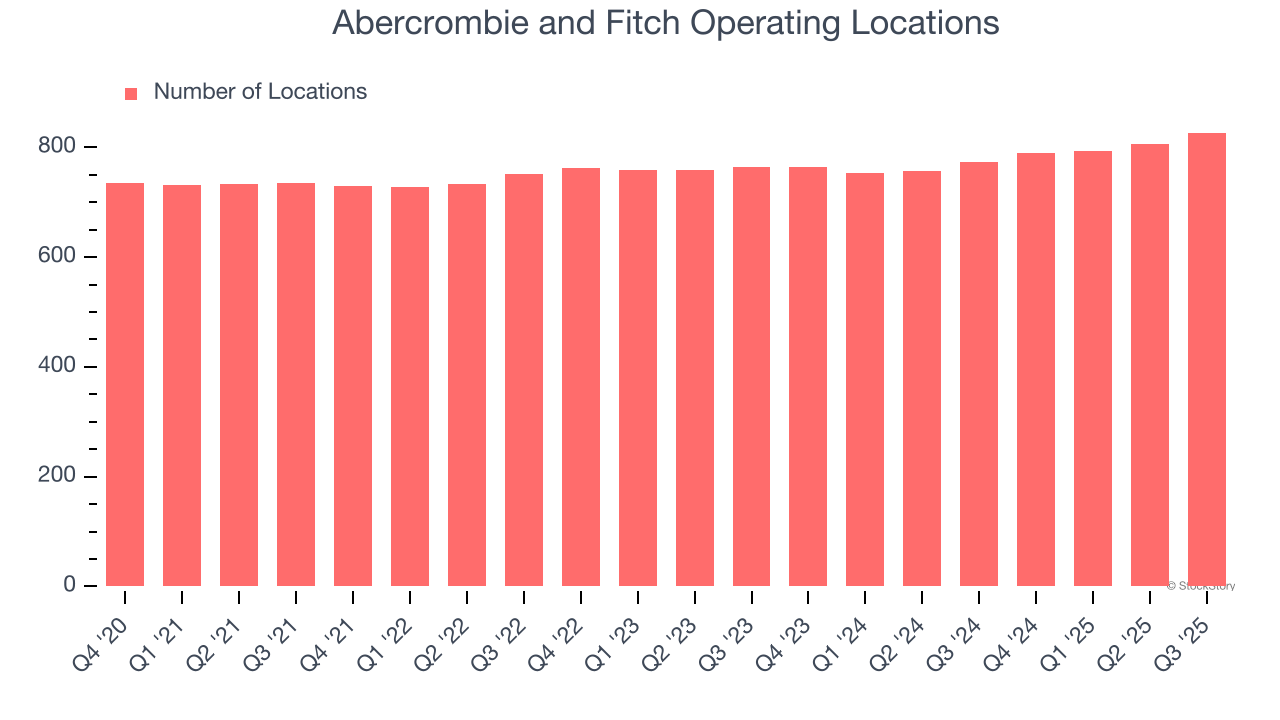
Abercrombie and Fitch (NYSE:ANF) Reports Q4 CY2025 In Line With Expectations
Trending news
MoreCrypto prices
More





