
China's Export Halt: A Flow-Driven Supply Shock

China has issued a direct order to halt the flow of key refined fuels. The National Development and Reform Commission has instructed its largest refiners to suspend signing new contracts and try to cancel already committed shipments of gasoline and diesel. This directive, aimed at securing domestic supplies, creates an immediate shock to global trade flows from a major Asian producer.
The impact is felt in real-time. With crude flows from the Persian Gulf already crippled by conflict, this move compounds the supply squeeze. Refineries across the region, from Japan to India, are cutting operations and suspending exports as the crisis deepens. The result is a tangible tightening of the global fuel market.
This flow disruption is a primary driver behind the sharp price move. As a direct consequence, the price of Brent crude has jumped 15% to about $84 per barrel, its highest level since July 2024. The order from Beijing is a concrete step that reduces available supply, feeding directly into the surge seen in global benchmarks.
The Asian Market Impact
The combined Gulf and China shocks are creating a perfect storm for Asian fuel markets. The region's dependence on the Persian Gulf is stark: about 13 million barrels of oil per day moved through the Strait of Hormuz in 2025, a critical artery for its energy supply. Now, with that flow directly threatened, the impact is immediate and cascading.
| Total Trade | 3 |
| Winning Trades | 1 |
| Losing Trades | 2 |
| Win Rate | 33.33% |
| Average Hold Days | 14.33 |
| Max Consecutive Losses | 1 |
| Profit Loss Ratio | 1.03 |
| Avg Win Return | 2.84% |
| Avg Loss Return | 2.7% |
| Max Single Return | 2.84% |
| Max Single Loss Return | 3.3% |
The price impact is already visible. In the Philippines, a major Asian importer, gasoline prices hiked by ₱1.90 per liter on March 3, 2026, directly amid the Middle East tensions. This is the tangible flow of higher costs hitting consumers, a direct result of the compounding supply shocks from both the Gulf choke point and China's halted exports.
The Catalysts and Risks
The duration of this supply shock hinges on two primary flow variables. First, the key catalyst is de-escalation of the U.S.-Iran conflict. Any resolution could quickly reopen the Strait of Hormuz, a critical artery for about 20% of global oil and a similar share of LNG. With the waterway currently seeing around 150 ships dropped anchor, a return to normal shipping would immediately ease the tightness in crude and refined product flows, likely triggering a sharp price reversal.
The major risk is that China's export suspension becomes permanent. The directive to suspend signing new contracts and cancel shipments is a direct response to Gulf disruptions. If those supply concerns persist, Beijing may maintain the halt, further tightening global markets. This would compound the existing squeeze, as China is a major regional supplier.
The policy signal to monitor is the official fuel export quota for 2026. The first batch was steady at 19 million tons, but the recent halt may signal a shift in policy. Any adjustment to future quota allocations will be a clear indicator of whether Beijing is prioritizing domestic supply over exports, directly impacting the flow of refined products to Asia.
Disclaimer: The content of this article solely reflects the author's opinion and does not represent the platform in any capacity. This article is not intended to serve as a reference for making investment decisions.
You may also like
XPeng's Q4 Report: Assessing the Price War's True Cost to the Stock
Meta's AI Shopping Experiment: Evaluating the Potential for Expanding a Fresh Source of Income
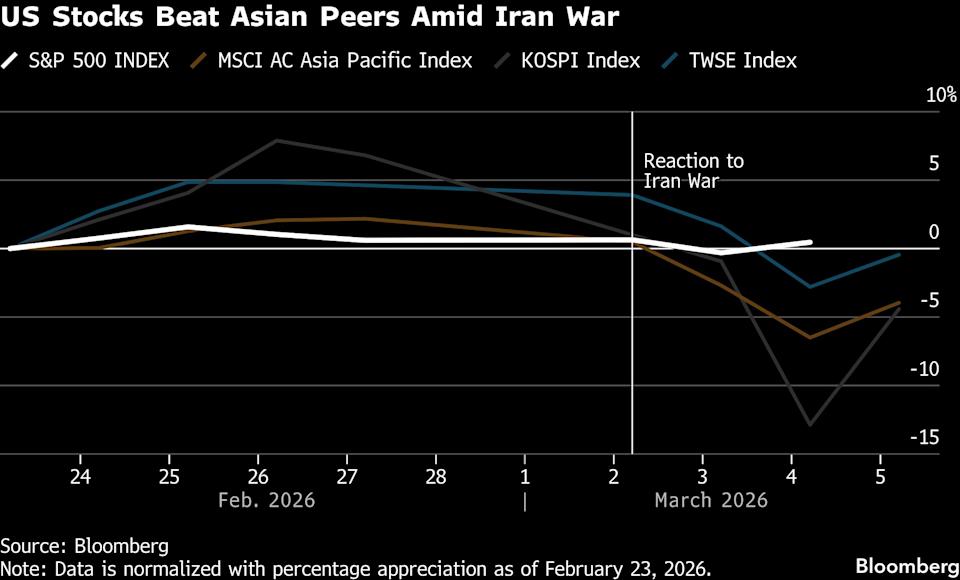
Iran conflict disrupts the popular approach of investing in Asia while reducing exposure to the United States
Strategist: Gold and Silver Need Further Consolidation, Bonds Remain Attractive
Trending news
MoreCrypto prices
More





