
Ladbrokes parent company discloses £500m loss due to Reeves’s tax increase

Entain Faces Major Losses Amid UK Gambling Tax Hikes
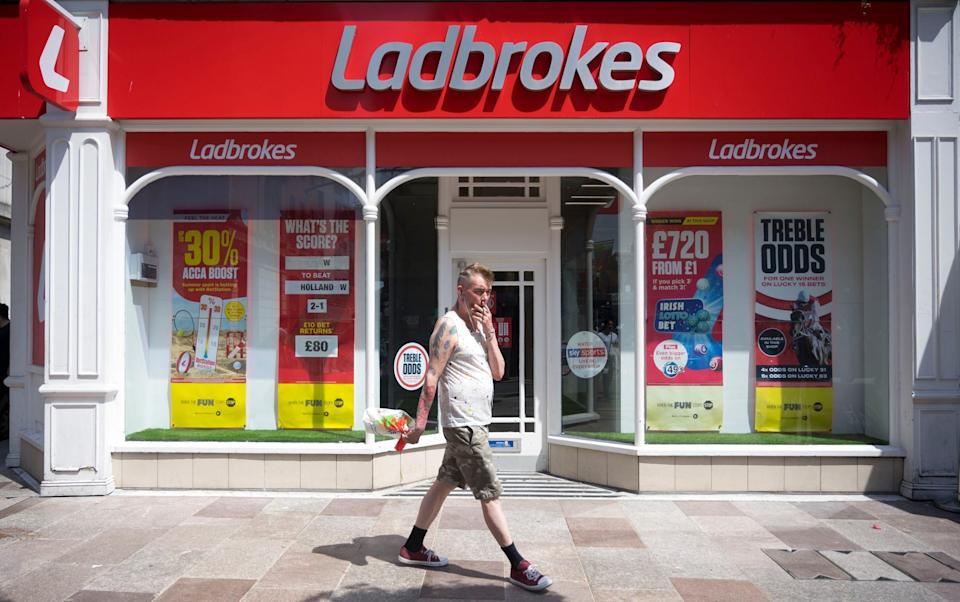
Entain, the parent company of Ladbrokes, has reported a substantial financial setback, with losses soaring past £680 million last year. This sharp increase is largely attributed to a nearly £500 million charge stemming from anticipated tax hikes introduced by Rachel Reeves.
Government Plans to Increase Gambling Taxes
In her November Budget, Chancellor Rachel Reeves outlined intentions to significantly raise taxes on the gambling sector. Remote gaming duty is set to climb from 21% to 40% starting April 2026, while online betting duty will rise from 15% to 25% the following year. Reeves emphasized that these changes reflect the greater social risks associated with online gambling compared to in-person betting, stating that evidence shows online gaming and betting often lead to more severe harm.
Industry Response and Concerns
Stella David, Entain’s chief executive, criticized the proposed tax increases, describing them as “extremely disappointing.” She warned that higher duties could not only reduce tax revenue but also harm the industry, hinder growth, and encourage the rise of unregulated operators. Despite these challenges, David affirmed Entain’s commitment to investing strategically in the UK and targeting customers from smaller competitors less able to cope with the new tax environment.
Impact on Other Gambling Companies
The Chancellor’s announcement has prompted several gambling businesses to reconsider their strategies. Evoke, which owns William Hill, revealed in December that it might break up or sell parts of its business in response to the new tax regime. The company had previously cautioned that increased taxes could result in job losses and raise its annual tax bill by up to £135 million from 2027. Evoke’s CEO, Per Widerström, indicated that investment in the UK would be significantly reduced as a result.
Risks of Black-Market Gambling
Industry leaders have repeatedly warned that higher taxes could drive customers toward unregulated gambling providers, which do not contribute to the Treasury and lack safeguards for vulnerable individuals. Last month, Stella David addressed an open letter to Richard Masters, CEO of the Premier League, accusing the league of enabling black-market gambling. She highlighted a match between Bournemouth and Sunderland, where both teams displayed sponsorships from gambling companies without UK licenses on their shirts, calling it a clear example of the growing black-market issue and the associated risks.
Premier League’s Response
While the Premier League did not comment on the allegations, clubs have agreed to remove gambling sponsors from the front of match-day shirts starting in the 2026-27 season.
Disclaimer: The content of this article solely reflects the author's opinion and does not represent the platform in any capacity. This article is not intended to serve as a reference for making investment decisions.
You may also like
Why Stratasys (SSYS) Stock Is Down Today
Middle East tensions set to trigger a surge in airline ticket prices
Amer Sports: A Strong Buy Opportunity Amid Shifting Trends in Consumer Discretionary
Trending news
MoreCrypto prices
More





