
Gold retreats following a short-lived spike amid Iran tensions, yet Metals Focus remains optimistic about further gains

Gold’s Safe-Haven Status Faces Scrutiny Amid Geopolitical Tensions
While gold is often viewed as a protective asset during times of economic instability and rising inflation, its effectiveness as a refuge during specific geopolitical crises has recently come into question.
Earlier this week, gold briefly approached the $5,400 per ounce mark as markets responded to coordinated military action by the U.S. and Israel against Iran. However, this surge proved short-lived, with prices dropping below $5,100 per ounce by Thursday afternoon.
In a recent commodity outlook, Metals Focus analysts acknowledged disappointment over gold’s inability to maintain its upward momentum. Nevertheless, they remain optimistic about the metal’s prospects for the remainder of the year.
According to their report, “Gold’s tendency to rally in response to geopolitical shocks is typically fleeting. This pattern is common across most markets, except for those directly impacted by disruptions in supply, demand, or trade. Even when conflicts drag on, investor interest in safe-haven assets often fades quickly. We anticipate a similar trend with the current situation involving Iran. Still, there is a significant risk that, given the unique circumstances, this conflict could unfold differently.”
The analysts highlighted that escalating threats to global energy supplies—particularly as shipping through the Strait of Hormuz is affected—and the involvement of a dozen nations in the conflict, increase the likelihood of a broader war.
Despite these concerns, they also pointed out that there is little appetite for another drawn-out conflict in the Middle East.
They noted, “An extended or uncontrolled war in Iran, especially so close to the U.S. mid-term elections, poses political challenges for the Republican Party. The public is unlikely to support the inevitable financial and human costs, or tolerate the inflationary pressures from persistently high oil prices.”
Should this scenario materialize, the analysts expect gold to revisit its record highs from January, but doubt the metal would sustain a prolonged rally.
On the other hand, any signs of the conflict intensifying or significant disruptions in oil markets could propel gold prices toward $6,000 per ounce.
Beyond short-term volatility, the UK-based research group maintains a positive outlook for gold, emphasizing that the ongoing conflict underscores deeper economic and geopolitical uncertainties.
They explained, “Regardless of one’s stance on the U.S. decision to strike Iran, the move has lasting consequences for American foreign policy. Alongside recent actions in Venezuela, it suggests a willingness to pursue regime or political change—even through force—to achieve strategic goals. The lack of coordination with key allies also points to a shift toward unilateralism. Collectively, these changes in the world’s leading economy and military power heighten global uncertainty.”
Metals Focus further suggested that recent military developments could make gold more attractive compared to U.S. Treasuries. Although the U.S. dollar has seen some inflows, yields on 10-year Treasuries have climbed above 4%.
“The limited movement into Treasuries this week adds to doubts about their traditional role as a safe haven,” the analysts observed. “This situation benefits gold directly, as it competes with Treasuries for defensive investment, and indirectly, as these concerns influence the U.S. dollar.”
Disclaimer: The content of this article solely reflects the author's opinion and does not represent the platform in any capacity. This article is not intended to serve as a reference for making investment decisions.
You may also like
Sable (SOC) Soars 37% on Renewed Hopes for California Pipeline

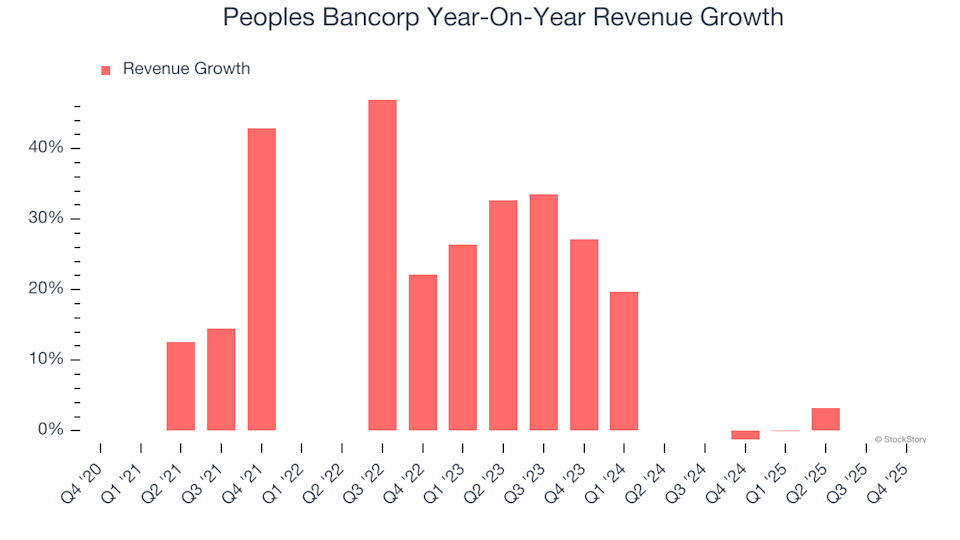
3 Motives to Offload PEBO and One Alternative Stock Worth Buying
Petrobras: Fourth Quarter Earnings Overview
U.S. shale production cannot compensate for the decline in Middle Eastern oil supplies
Trending news
MoreCrypto prices
More





