
US Allows India to Temporarily Import Russian Oil Under Special Waiver

US Grants India Temporary Approval for Increased Russian Oil Imports
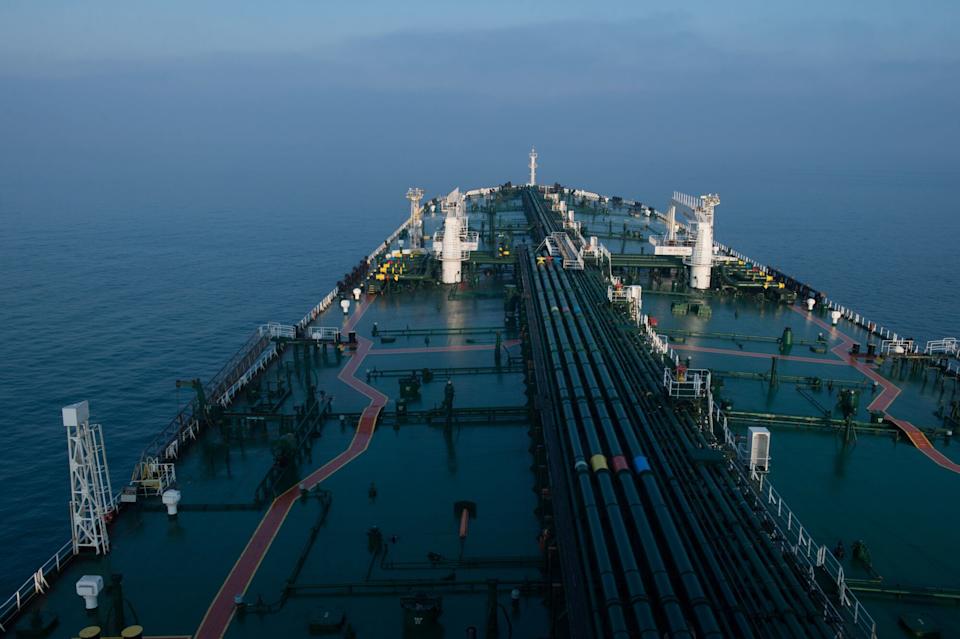
The United States has given India a short-term exemption to boost its purchases of Russian oil, easing previous restrictions as turmoil in the Persian Gulf disrupts global energy supplies.
This new authorization, announced late Thursday, allows Indian companies to buy Russian crude and petroleum products that were loaded onto ships before March 5, provided the cargo is delivered to India. The waiver is set to expire on April 4 at 12:01 a.m. Washington time.
Key Stories from Bloomberg
US Treasury Secretary Scott Bessent explained on X that the waiver is intended to keep oil supplies steady worldwide, allowing Indian refiners to buy Russian oil for a limited 30-day period. He emphasized that this short-term measure is designed to avoid giving Russia significant financial gains, as it only covers oil already in transit.
This policy shift aims to quickly stabilize oil supplies, offering immediate support to economies most affected by Middle East disruptions. With a surplus of Russian oil available, Indian refineries can swiftly increase imports and maintain steady operations.
The move represents a notable change in US policy, as the Trump administration had previously pressured India to reduce Russian oil imports. Although India was not a major buyer of Russian crude in the past, it ramped up purchases after the 2022 Ukraine conflict to benefit from lower prices.
For months, the Trump administration imposed steep tariffs and sanctions to curb India's Russian oil imports, seeking to pressure Russia into negotiations. However, a recent trade agreement eased tariffs on Indian goods, and India had since limited its Russian oil purchases.
Sumit Ritolia, a lead analyst at Kpler Ltd., noted that while the waiver is temporary and mainly intended to clear stranded shipments, it offers crucial short-term support for India's refining industry and could influence Russian oil pricing and trade patterns in the near future.
He also pointed out that as competition for Russian oil intensifies, discounts may shrink and could even turn into price premiums.
Market Impact and Regional Developments
According to Bloomberg's ship-tracking data, more than 22 million barrels of Russian crude remain unsold or are idling in Asian waters, with the majority near India and the Singapore Strait. Additional tankers are en route, suggesting the total could rise further.
India typically imports about 5 million barrels of oil daily, with only 20% coming from Russia in February, based on Kpler's data. Other key suppliers, such as Iraq, Saudi Arabia, and the UAE, are facing export challenges due to the effective closure of the Strait of Hormuz.
“While this may offer some short-term relief, the loss of up to 20 million barrels per day from the Persian Gulf means the overall market impact is limited,” said Warren Patterson, head of commodities strategy at ING Groep NV. “A lasting solution requires reopening the Strait of Hormuz.”
Inflation and Economic Considerations
The waiver is expected to help policymakers by reducing inflationary pressures and supporting the rupee. Despite inflation staying below the central bank's 4% target, the rupee has hit record lows amid tensions with Iran, prompting intervention by the Reserve Bank of India.
Economist Gaura Sengupta from IDFC First Bank warned that India's current account deficit could remain under strain, as the country may have to pay a premium over Brent for oil. Madhavi Arora of Emkay Global Financial Services estimated that a $10 per barrel increase in crude prices could widen the deficit by half a percentage point annually.
Arora added, “We must brace for the challenges of a growing current account deficit, which will eventually affect the currency and present further dilemmas for the central bank.”
While the waiver and other US commitments have helped ease oil prices in Asian trading, the overall effect on India and the global market may be modest and temporary. The additional crude will not address shortages in liquefied natural gas or cooking fuel for India.
Rebecca Babin, senior equity trader at CIBC Private Wealth Group, commented, “Much of this response is reactive rather than part of a comprehensive plan. While the headlines may calm markets for now, more concrete details are needed to truly reduce risk.”
India's Response and Future Steps
Indian refiners and officials have been exploring various strategies to manage supply disruptions, including increasing Russian oil imports. The oil ministry has urged diplomats to negotiate with Washington for more flexibility, and US Treasury officials have discussed easing restrictions.
India has also been in talks with the US about establishing an insurance mechanism for tankers passing through the Strait of Hormuz.
Indian refineries are already feeling the effects of reduced supplies. Mangalore Refinery and Petrochemicals Ltd. has notified customers of a halt in oil product exports and has shut down one of its three crude units due to low inventories, according to sources familiar with the situation.
More Top Reads from Bloomberg Businessweek
With contributions from Rong Wei Neo, Dan Strumpf, and Anup Roy.
Updated with additional economist commentary.
©2026 Bloomberg L.P.
Disclaimer: The content of this article solely reflects the author's opinion and does not represent the platform in any capacity. This article is not intended to serve as a reference for making investment decisions.
You may also like

Factbox-Top pharma companies racing to launch a weight-loss pill
VIA Price Surges 11.96%: Traders Spot Unusual Market Activity
Will AbbVie's Neuroscience Division Keep Driving Revenue Growth in 2026?
Trending news
MoreCrypto prices
More





