
Energy Price Surge Triggered by Iran Conflict Highlights Europe’s Vulnerabilities

Europe Faces Mounting Pressure Over Soaring Energy Costs
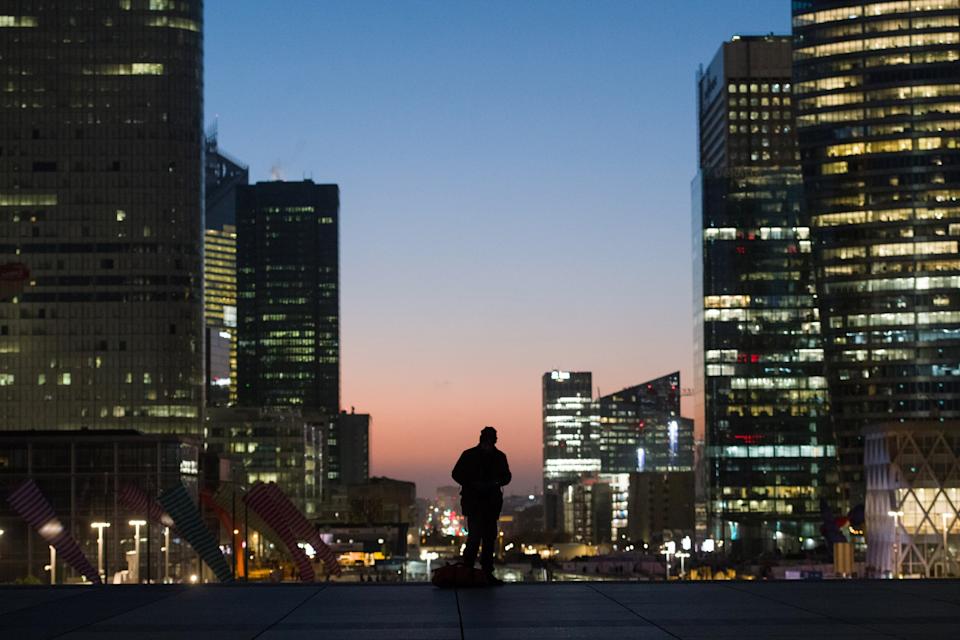
Photographer: Nathan Laine/Bloomberg
Last month, beneath the ornate glass and iron dome of Antwerp’s stock exchange, French President Emmanuel Macron addressed a gathering of industrial leaders. He immediately confronted the issue at the forefront of everyone’s minds: Europe’s persistently high energy costs.
He described the situation candidly as “a weakness.”
Top Stories
Even before the recent conflict in Iran sent oil and gas prices soaring and disrupted global fossil fuel supplies, Europe was already grappling with energy costs that far exceed those in the US and China. High prices have forced factories to close, prompted complaints from major corporations like BASF SE and steel producers, and left policymakers worried that their economic goals for the region could be derailed.
The ongoing turmoil in the Middle East has only intensified the urgency. This week, European gas prices surged to their highest level in three years, adding an estimated €1.3 billion ($1.5 billion) to the region’s energy bill, according to the climate think tank Strategic Perspectives.
Although prices remain below the peaks reached after Russia’s invasion of Ukraine, the recent spike has renewed calls for intervention to bring costs down.
“This couldn’t have come at a worse time—we’re highly vulnerable to fluctuations in the global energy market, both in terms of price and supply,” said Anne-Sophie Corbeau, a research scholar at the Center on Global Energy Policy in Paris. “Industry leaders are thinking, ‘not another crisis.’ There’s no easy fix.”
As a result, governments are scrambling for solutions. Suggestions range from eliminating certain taxes to rolling back expensive climate initiatives, though critics warn that such moves could undermine Europe’s long-term efforts to lower energy costs by expanding renewable energy.
The gravity of the situation is evident in Brussels. At a recent meeting, senior EU officials told member states that the Iran conflict underscores the existential importance of resolving the energy crisis, according to sources familiar with the discussions.
European leaders are scheduled to meet on March 19 to instruct the European Commission to develop strategies for reducing energy prices and supporting industry.
Industry Feels the Strain
Decisions made in corporate boardrooms reflect the growing anxiety. Rising energy expenses are reshaping Europe’s industrial landscape, causing companies to delay investments, pause decarbonization projects, and relocate operations.
Versalis, Eni’s chemicals division, is shutting down facilities, highlighting how energy-intensive sectors are reconsidering Europe’s competitiveness.
Markus Kamieth, CEO of BASF, remarked that Europe is “losing industrial capacity at an unprecedented rate.”
Europe’s Energy Challenge
The European Union is at a pivotal moment. It must protect its industries, enhance competitiveness, and keep pace with the AI revolution—which demands vast amounts of electricity for data centers—while also strengthening its defense capabilities.
Meeting these objectives will require enormous energy resources in the years ahead. Whether Europe can secure enough affordable power remains uncertain.
BloombergNEF projects that by the end of the decade, final electricity demand will rise by 57% from 2024 levels, driven mainly by electric vehicles and data centers. The European Commission’s forecasts are similar, but the rapid growth of AI could render these estimates outdated.
The energy crisis of 2022, triggered by Russia, serves as a stark reminder that Europe cannot afford complacency regarding energy costs and supply.
To replace Russian gas, Europe has turned to liquefied natural gas shipped by sea, increasing its exposure to volatile international markets. Costs and competition for fuel have intensified, especially after a major Qatari LNG facility was hit by an Iranian drone strike.
“It’s not so much the supply disruptions that cause issues,” explained Dan Jørgensen, the EU’s energy commissioner, in an interview with Bloomberg Television. “The real problem is the impact on global markets, which ultimately affects European consumers.”
Defense Sector’s Growing Energy Demand
Shortly after Macron’s speech in Antwerp, global leaders, military officials, and business executives convened at the Munich Security Conference. While calls for increased defense spending were common, energy security dominated many discussions.
The European Parliament has observed that the defense sector is becoming more energy-intensive, citing the need to manufacture advanced equipment and power the digital infrastructure essential for modern warfare.
James Appathurai, NATO’s chief advisor on cyber and hybrid defenses, noted, “The armed forces are moving toward electrification, with drones and hybrid fleets. We must ensure that power grids can handle sudden surges, such as accommodating 20,000 NATO troops in a day. Currently, the grids can’t even support the new production facilities under construction, let alone such rapid increases.”
Longstanding Obstacles
High energy prices have long been a challenge. In a prominent 2024 report on European competitiveness, former ECB President Mario Draghi highlighted their detrimental effect on the economy.
His report described energy costs as a “barrier to growth” that “dampen corporate investment more than in other major economies.”
Much of the EU’s strategy depends on rapidly expanding renewable energy, banking on the low operating costs of wind and solar power.
However, some analysts question whether Europe’s green ambitions are realistic, especially given the anticipated electricity needs of data centers and AI technologies.
“If we’re already struggling with our energy system, the challenge will only grow as AI production scales up in the EU,” warned Ebba Busch, Sweden’s energy minister. “If we don’t address this, Europe risks falling behind in the AI race.”
In search of immediate relief, some are calling for a pause in climate initiatives. Italy’s government, for example, has urged the EU to suspend its Emissions Trading System, which charges for carbon emissions.
“There’s a resurgence of support for fossil fuels in Brussels,” said Thomas Pellerin-Carlin, a Socialist member of the European Parliament. “True energy security means moving away from fossil fuels. Otherwise, we risk heading down a dangerous path.”
With contributions from William Wilkes and Eamon Akil Farhat.
More from Bloomberg Businessweek
©2026 Bloomberg L.P.
Disclaimer: The content of this article solely reflects the author's opinion and does not represent the platform in any capacity. This article is not intended to serve as a reference for making investment decisions.
You may also like
Ripple Celebrates UK FCA Approval as Tower Bridge Lifts for Crypto Milestone Event

Bitcoin – Derivatives flash ‘mixed signals,’ but is $72K a real possibility?
Crypto Markets Respond to Ongoing Iran Conflict and Associated War Risks
Stablecoin Companies Make Major Wagers on AI Agent Transactions That Are Still Rare
Trending news
MoreCrypto prices
More





