
The looming crisis of rising oil prices for families

Energy Price Cap Set to Increase Again This Summer
The prospect of oil reaching $100 per barrel is no longer a distant fear—it's becoming a reality. Rising energy costs are now a fact of life, with significant consequences for consumers and the potential to trigger a fresh global economic downturn.
On Monday, experts cautioned that the markets had been jolted awake as oil prices briefly soared to $119 before settling at $103. Many analysts are calling this one of the most severe price shocks in recent history.
Here’s what these developments could mean for households and the broader economy in the near future.
Immediate Effects at the Pump
The most noticeable impact so far has been the sharp rise in fuel prices. Since the onset of the conflict, petrol has increased by nearly 5p per litre and diesel by 8.6p, according to the RAC. The average price for petrol now stands at 137.5p per litre, while diesel has reached 151p.
Simon Williams from the RAC predicts diesel prices could climb another 10p this week. The AA is already urging drivers to cut back on driving to conserve fuel.
Williams stated, “Unleaded is almost certain to average 140p soon, and diesel is likely to hit at least 160p per litre. If oil remains at $100 per barrel for an extended period, petrol could approach 150p per litre—a level not seen since June 2024. Diesel might reach nearly 180p, marking a three-year high.”
At these rates, filling a 60-litre diesel tank would cost £108, over £20 more than before the latest crisis.
Despite the surge, Williams advises motorists not to panic-buy fuel and to continue refueling as usual. He also recommends keeping tyres properly inflated and driving smoothly to maximize fuel efficiency.
Policy Uncertainty and Political Debate
The recent spike in oil prices has sparked debate over whether Chancellor Rachel Reeves will proceed with planned fuel duty increases starting in September. The 5p reduction introduced by Rishi Sunak in 2022 is scheduled to be phased out in three stages: a 1p rise in September, 2p before Christmas, and another 2p next March.
Rachel Reeves had planned to start raising fuel duty from September - Leon Neal/Getty ImagesSir Mel Stride, the shadow chancellor, intends to introduce a motion in Parliament to challenge these increases. He argues, “Given the latest developments in the Middle East, it’s even more crucial for Rachel Reeves to reconsider and cancel the planned fuel duty hike. Labour is increasing welfare spending rather than supporting drivers and commuters. The previous Conservative government consistently froze fuel duty, but Labour has chosen higher spending instead. They must act before it’s too late.”
Potential for Further Action
Sanjay Raja, an economist at Deutsche Bank, suggests that if oil prices remain elevated, the Chancellor may need to consider reducing fuel duty to fulfill her promise to ease the cost of living.
Energy Bills Set to Climb
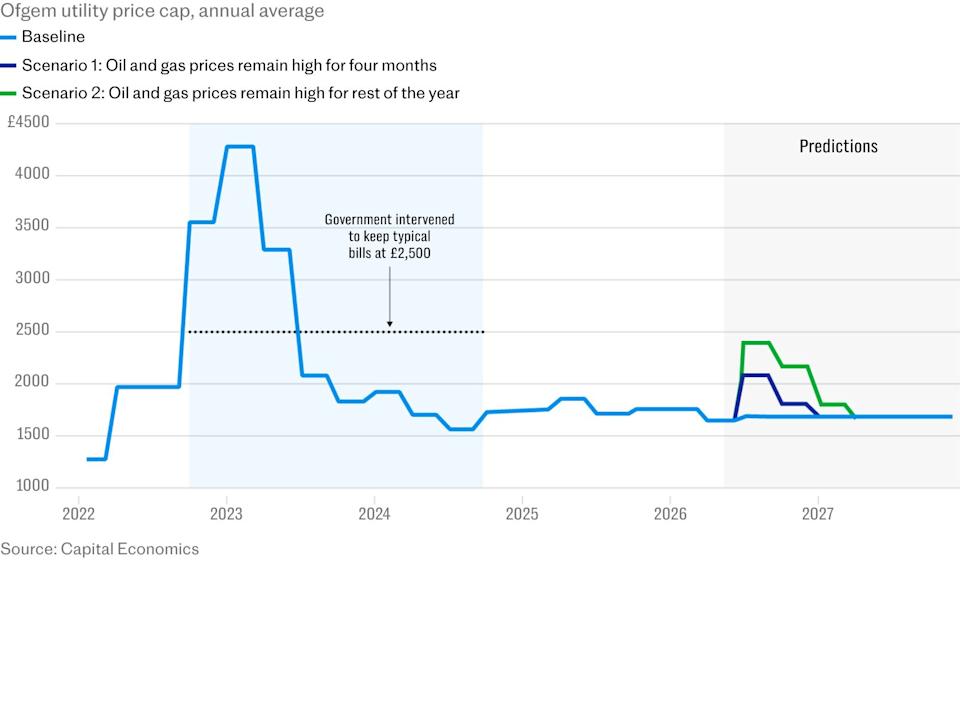
The surge in oil and gas prices means that household energy bills are bound to rise, erasing any savings announced in the previous Budget. Capital Economics warns that even if prices stabilize, the energy price cap will still increase by 2% to £1,673 in April.
If oil remains at $100 per barrel through summer, typical energy bills could jump by 25% to £2,081. Should gas prices climb further, bills could reach £2,388 in a worst-case scenario—close to the cap set during the government’s intervention in 2022.
Paul Dales from Capital Economics notes, “The most significant impact on utility bills comes from sustained high gas prices.” Deutsche Bank estimates that if current trends persist, average bills could hit £2,500 by summer. In response, the government might cap bills at £2,000, a move that could cost the Treasury several billion pounds. Citi analysts estimate that freezing bills at April’s level for two years could cost taxpayers up to £9.5bn.
Petrol prices have climbed by almost 5p a litre since the start of the Iran war - Hassan Ghaedi/Anadolu via Getty ImagesThere are limited affordable options for government intervention.
Unprecedented Oil Shock
Goldman Sachs describes the current oil supply disruption as “unprecedented,” with about 17 million barrels per day from the Gulf now unavailable—17 times the reduction in Russian oil flows after the Ukraine invasion in 2022.
Gas prices have also more than doubled in the past two weeks, with European benchmark prices jumping up to 30% in a single day to €69.50 (£60) per megawatt-hour. However, this is still well below the record €300 per megawatt-hour seen during the Ukraine crisis.
Energy traders expect the worst of the price shock to subside by summer. While spot oil prices briefly touched $110 per barrel, Brent futures for August 2026 are trading at $89.74.
Jordan Rochester of Mizuho Bank cautions traders against complacency, warning that those betting on the so-called “Trump always backs down” strategy could face significant losses. He notes that while a short conflict may be the US intention, for Iran, the stakes are existential and could prolong the crisis.
Rochester also points out that the appointment of a new supreme leader in Iran signals continued resistance to US demands, with hardliners maintaining control.
He adds, “For years, analysts warned that a closure of the Strait of Hormuz could push oil prices closer to $150, yet many were slow to react when it happened. The market is finally waking up to the reality that this may be the most significant energy supply and logistics crisis of our time.”
Rochester suggests that a coordinated release of strategic oil reserves by the G7 could help, but even releasing 400 million barrels—about a quarter of reserves—would only cover less than four days of global demand. He also highlights that the US emergency oil stockpile now covers just 21 days of supply.
1003 US oil reserves among the lowest in decadesHe concludes, “Oil is now firmly above $100 per barrel, and it could remain there. The likelihood of prices reaching $130–$150 increases the longer this crisis continues.”
Concerns Over Stagflation
There is growing speculation that the Bank of England may be forced to raise interest rates to counter rising inflation, with markets now pricing in a 50% chance of a rate hike this year. Raja at Deutsche Bank warns that inflation could reach 4% within months if price increases persist, making it difficult for policymakers to ignore.
He also cautions that economic growth could stall, raising the risk of stagflation—a period of stagnant growth and high inflation.
1003 Oil shock would send inflation near 4pc within monthsThis situation is especially concerning for the 1.8 million homeowners whose mortgage deals are due for renewal this year. Major lenders such as Halifax, Barclays, and NatWest have recently increased mortgage rates in response to higher borrowing costs, following similar moves by Nationwide and HSBC.
Specialist lender Paragon has also withdrawn all of its five-year fixed-rate mortgage products due to market volatility. Two-year swap rates, which influence fixed mortgage pricing, have surged by nearly 0.75 percentage points in under two weeks, while five-year swaps are up by 0.5 points. If these increases are fully passed on, a typical £200,000 mortgage could cost an extra £600 per year.
David Hollingworth from L&C Mortgages believes it is “very, very likely” that more major lenders will raise their rates soon. He told Radio 4 that he expects a “snowball effect,” with lenders increasing rates rapidly to avoid being overwhelmed by new applications.
Stay Informed
Disclaimer: The content of this article solely reflects the author's opinion and does not represent the platform in any capacity. This article is not intended to serve as a reference for making investment decisions.
You may also like
The Top Trending Crypto in 2026: BlockDAG’s 180x Launch Day Print Puts the 200x Mark Just Two Cents Out of Reach

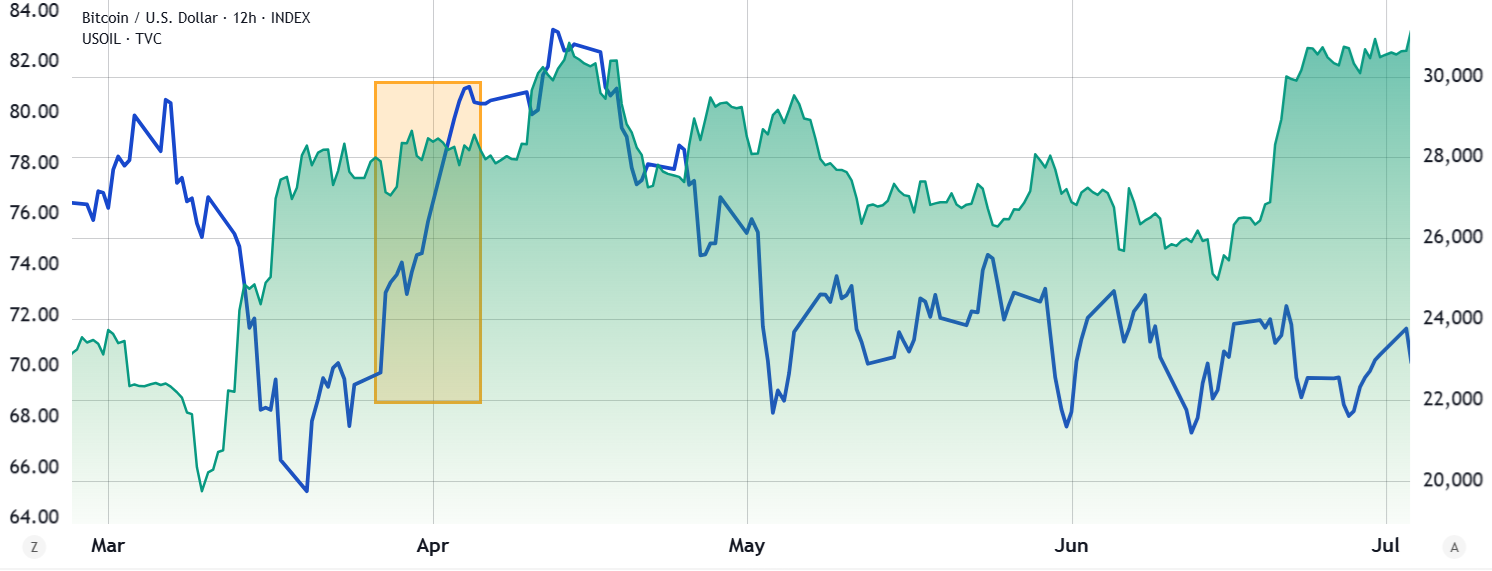
Will Bitcoin follow oil’s historic surge and rally to $79K before the end of March?
Nubank (NU): Should You Buy, Sell, or Hold After Q3 Results?
Trending news
MoreCrypto prices
More





