
Fed: Tensions add complexity to rate reduction plans – BNY

Impact of Middle East Tensions on the U.S. Economy
John Velis, Americas Macro Strategist at BNY, highlights that ongoing unrest in the Middle East is affecting the U.S. economy through rising oil costs, declining investment portfolios, and heightened uncertainty—factors that together trigger a negative supply shock. While market expectations for Federal Reserve rate cuts this year have dropped from just over two to fewer than two, Velis maintains his forecast for three cuts, anticipating that labor market weakness will become increasingly apparent.
Channels of Economic Disruption and Labor Market Concerns
According to Velis, the conflict in the Middle East influences the U.S. economy—and ultimately interest rates—in three primary ways:
- Rising Oil Prices: Elevated energy costs threaten to push inflation higher and have already contributed to increased yields through shifting expectations.
- Financial Market Volatility: Instability in asset markets can erode consumer wealth, potentially reducing spending through the wealth effect and the diminished purchasing power caused by higher oil prices. Fluctuations in asset values may also lead businesses and individuals to delay investments or hiring decisions.
- Widespread Uncertainty: The overall increase in economic unpredictability can dampen both consumer confidence and business activity. The resulting negative supply shock constrains output and drives prices upward by shifting the aggregate supply curve inward.
Prior to the recent escalation, markets anticipated slightly more than two rate cuts by year-end. Since then, expectations have moderated, with less than two cuts now reflected in market pricing, signaling a less dovish stance from the Federal Reserve.
This evolving situation presents a challenge for the Fed, which was already grappling with persistent inflation and softening labor demand before the conflict intensified. Despite these headwinds, Velis continues to project three rate reductions from the Federal Reserve this year.
(This article was produced with assistance from an AI tool and subsequently reviewed by an editor.)
Disclaimer: The content of this article solely reflects the author's opinion and does not represent the platform in any capacity. This article is not intended to serve as a reference for making investment decisions.
You may also like
Johnson & Johnson (JNJ) Announces the FDA Approval of TECVAYLI plus DARZALEX FASPRO

$AMZN looks like its forming a double-shoulder head-and-shoulder
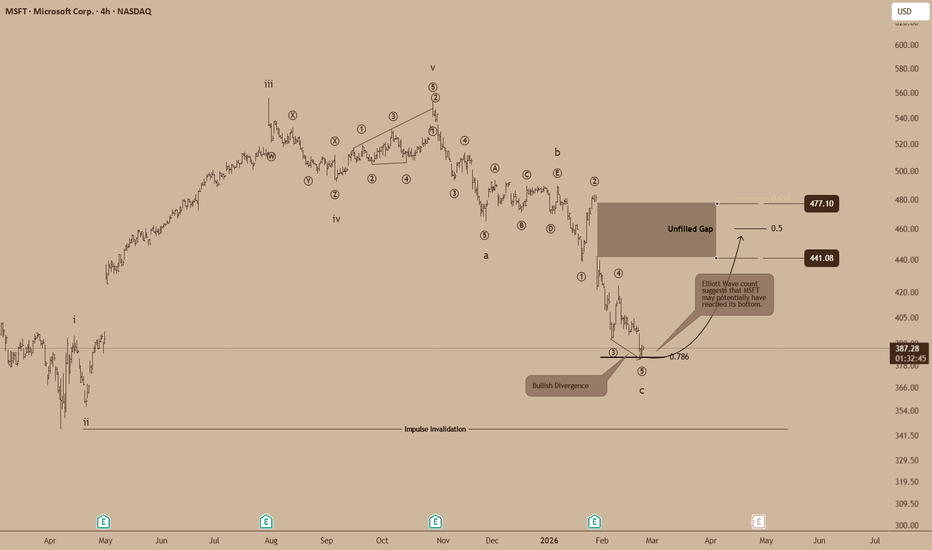
MSFT (1H) Update: Structure Still Supports a Bottom Formation
Are US stablecoins just CBDCs in disguise? Look closely and the differences start to blur

Trending news
MoreCrypto prices
More





