
California's gasoline shortage worsens as refinery shutdowns increase dependence on a global fleet of just 55 tankers — Upcoming CARB decision in May could trigger a $1 per gallon price jump

California Faces Structural Strain in Gasoline Supply
California's gasoline market is experiencing significant disruption due to a shrinking local refining industry. The state has already lost 156,000 barrels per day in production following the closure of the Phillips 66 Los Angeles refinery last year. Another blow is expected in April 2026, when Valero's Benicia plant is scheduled to shut down, removing an additional 150,000 barrels per day from the state's output. Together, these closures leave California with a shortfall of 306,000 barrels per day, which must now be sourced from external suppliers.
This deficit marks a major transformation in California’s energy landscape. The loss of these refineries equates to a 17% drop in the state’s refining capacity, effectively eliminating one out of every eight barrels of gasoline previously produced locally. To compensate, California has dramatically increased its reliance on imports. In 2025, the state imported more gasoline from the Bahamas than it had in the previous nine years combined, highlighting its growing dependence on foreign supply. This shift has extended the supply chain across continents, exposing California to regulatory and logistical hurdles that have made in-state refining less viable.
The Challenge of Imports and Rising Costs
Bridging the refining gap is a complex and expensive process, complicated further by legal requirements. California’s dependence on imported fuel involves a multi-stage journey: gasoline produced on the Gulf Coast must first be sent to the Bahamas to comply with the Jones Act, which requires that goods transported between U.S. ports use American-built, owned, and operated vessels. From the Bahamas, the fuel is shipped across the Atlantic and Pacific to reach California, adding both time and cost to the process.
A major obstacle is the limited number of Jones Act-compliant oil tankers—only about 55 exist globally, representing a minuscule portion of the world’s fleet. This scarcity inflates shipping rates and slows the pace at which California can import gasoline. Consequently, the state has become the largest global importer of gasoline from the Bahamas, with shipments from the island accounting for over 12% of California’s seaborne imports in 2025. This roundabout route is a direct result of the regulatory and logistical barriers that have undermined local refining.
These added costs are ultimately borne by consumers. California consistently has the highest diesel prices in the country, averaging $4.86 per gallon. While high state taxes and distance from major refining hubs contribute to these prices, the Low Carbon Fuel Standard (LCFS) is another significant factor. The LCFS, which penalizes higher-carbon fuels, has recently become more stringent, raising carbon-intensity targets and restricting crop-based biofuels. These changes are expected to further drive up fuel costs for California’s agriculture and transportation sectors. In summary, the combination of a constrained shipping network and strict environmental policies is fueling persistent increases in fuel prices.
Policy Shifts and Refinery Viability
Upcoming regulatory changes threaten to further destabilize California’s remaining refineries. In May, the California Air Resources Board (CARB) will vote on amendments to the state’s cap-and-invest program, which would impose stricter emissions limits through 2030 and reduce the number of tradable allowances. For companies like Chevron, these changes could be devastating. Chevron’s leadership has warned that the new rules could increase gasoline prices by more than a dollar per gallon by 2030 and jeopardize the survival of the state’s last refineries.
The financial impact is clear: the program would levy billions in additional costs on in-state producers and refiners. However, these costs can be avoided by importing fuel from abroad, as foreign suppliers are not subject to the same taxes. This creates a strong incentive to import rather than refine locally. With approximately 70% of California’s oil already coming from outside the state, these policies could further erode the local refining sector.
This situation puts California refineries at a significant disadvantage. While local operators face new compliance costs, international suppliers can bypass these regulations entirely. This dynamic is accelerating refinery closures and making the business environment even more challenging. Ironically, the state’s own policies may be intensifying the supply vulnerabilities they aim to address by making imports more attractive than maintaining local production.
Key Developments and Market Signals
The most immediate turning point for California’s gasoline market will be the CARB vote on the proposed cap-and-invest amendments in May. This decision will be pivotal: approval would cement stricter emissions rules and reduced allowances, likely hastening the shift toward imports and increasing pressure on the supply chain. A delay or rejection could offer temporary relief and a chance to negotiate more sustainable solutions for local refineries.
Signs of supply stress are already apparent in import patterns. California’s dependence on gasoline shipments from the Bahamas is a direct indicator of the refining gap. Monitoring the volume of imports from the Bahamas, as well as from countries like India and South Korea, will provide insight into whether the logistical bottleneck is improving or worsening. In 2025, the Bahamas supplied 12% of California’s ship-borne gasoline imports, a sharp increase from previous years. Any further rise would suggest ongoing challenges, while a plateau or decline could signal that import capacity is maxed out or that local supply is stabilizing.
Another indicator to watch is progress on infrastructure projects designed to ease shipping constraints. The proposed Western Gateway Pipeline, for example, could eventually reduce reliance on long-distance sea transport if approved and constructed. However, new pipeline projects in the U.S. often face legal and public opposition, making this a long-term rather than immediate solution.
Finally, fuel prices themselves are a crucial signal. With diesel already at $4.86 per gallon, the combined effects of regulatory costs, import logistics, and taxes are evident. Should the CARB amendments pass, prices are expected to climb even higher. Market observers will be alert for signs of volatility or sudden price spikes, which would indicate that the supply chain is struggling to keep up with demand. The coming months will reveal whether California can successfully bridge its supply gap or if deeper structural issues will push the state toward a more severe energy crisis.
Disclaimer: The content of this article solely reflects the author's opinion and does not represent the platform in any capacity. This article is not intended to serve as a reference for making investment decisions.
You may also like
White House Picks Archer For Air Taxi Pilot
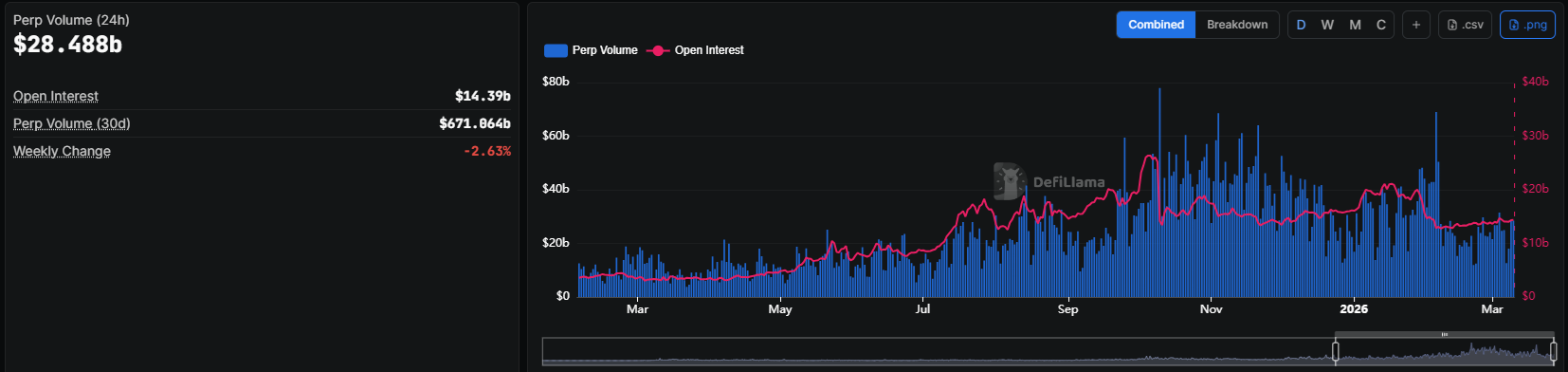
Perpetual futures trading is moving to decentralized platforms
Ross launches additional locations across Southern California
Esperion Therapeutics: Fourth Quarter Earnings Overview
Trending news
MoreCrypto prices
More





