
Market Bets on a Swift Iran Conflict End—But Operational Realities Suggest a Longer War

The U.S.-Iran conflict has entered its second week, with military operations escalating to a level of unprecedented intensity. According to White House statements, Operation Epic Fury has delivered twice the air power of 'Shock and Awe' in 2003, and U.S. forces have struck or sunk more than 20 ships from the Iranian regime. This campaign has visibly degraded Iran's military capabilities, with missile and drone launches down sharply. The sheer scale of the offensive-featuring historic firsts like long-range precision strikes and a submarine torpedo kill-signals a decisive, overwhelming campaign.
Yet the market's reaction has been a study in conflicting signals. Earlier in the week, the conflict's momentum sparked a sell-off, with Wall Street's main indexes opening lower on Monday as soaring oil prices heightened inflation worries. The S&P 500 had suffered its biggest weekly decline in about five months the prior week. This pressure reflected a consensus view that a prolonged war would disrupt energy markets and global supply chains.
That sentiment shifted dramatically on Monday afternoon. After President Trump told CBS News the war was "very complete, pretty much," U.S. stocks ended the day slightly higher. The S&P 500 gained 0.8%, recouping some of its earlier losses. This rally suggests the market is pricing in a swift resolution, interpreting the President's comments as a signal that the worst-case scenario-a drawn-out conflict-is receding.
The key question now is whether this optimism is justified by operational reality or is simply a relief rally ahead of the facts. The market's recent move appears to be betting on a clean, rapid end to the conflict. However, the scale of the military campaign and the depth of Iran's military infrastructure suggest the path to a stable conclusion may be longer and more complex than the President's comments imply. This sets up a potential expectations gap between the market's hopeful pricing and the operational hurdles that likely remain.
The Asymmetry of Risk: What's Priced In vs. What's Possible
The market's relief rally hinges on a single, untested assumption: that the conflict will be short and contained. This optimism creates a clear asymmetry of risk. The tangible costs of a prolonged war are already being incurred, while the benefits of a swift resolution remain a narrative, not a fact.
| Total Trade | 0 |
| Winning Trades | 0 |
| Losing Trades | 0 |
| Win Rate | 0% |
| Average Hold Days | 0 |
| Max Consecutive Losses | 0 |
| Profit Loss Ratio | 0 |
| Avg Win Return | 0% |
| Avg Loss Return | 0% |
| Max Single Return | 0% |
| Max Single Loss Return | 0% |
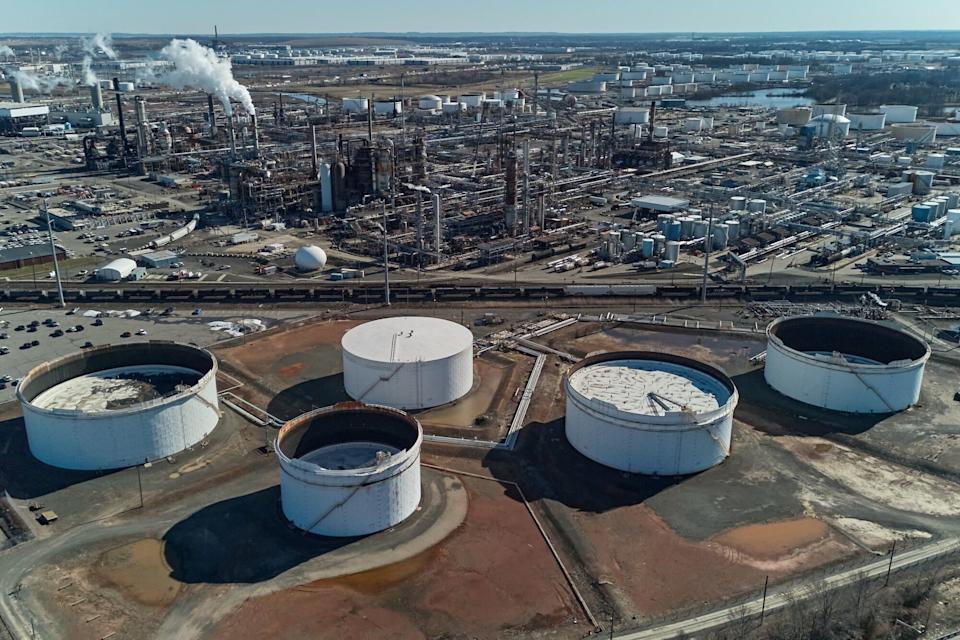
Energy markets illustrate this disconnect. The campaign has now expanded to Iranian oil infrastructure, with the IDF striking two oil refineries and two oil storage facilities on March 7. This is a direct escalation that threatens to further disrupt global supply. Yet, the market's initial sell-off was driven by fears of a wider conflict, not by the specific damage to Iran's energy sector. The risk is that this damage is now priced in, but the potential for deeper, longer-term supply shocks-like the closure of Saudi Arabia's largest domestic oil refinery and export terminal from Iranian drone strikes-is not yet fully reflected in current oil prices or energy stock valuations.
Defense stocks present a similar picture. The sector has surged on the conflict's escalation, with companies like Tat Technologies and Leonardo DRS gaining about 5% this week and European names like Hensoldt and BAE Systems posting gains of 5% to 6%. These moves are a direct bet on sustained, high-intensity demand for military systems. However, the recent gains likely reflect the initial demand shock and the "buy the rumor" phase of the conflict. The real test for these stocks will come if the campaign drags on, forcing a massive, sustained drawdown on U.S. and allied munitions. That scenario is not yet priced in.
The most critical vulnerability is the strain on air defense stocks. U.S. allies are already running low on crucial interceptor munitions, with one source stating "It's not panic yet, but the sooner they get here the better." This is the "math problem" of a prolonged campaign. The U.S. military has been "burning" through long-range precision-guided missiles, and the campaign's projected timeline has been extended. If the conflict lasts "four to five weeks" or longer, as the President suggested, the resupply chain for these interceptors will be under immense pressure. This creates a tangible risk that could force a reallocation of resources from other theaters, a scenario that would fundamentally alter the defense sector's outlook and likely trigger a new wave of volatility.
The bottom line is that the market is pricing for a clean end to the conflict, but the operational reality is expanding. The strikes to oil infrastructure and the visible depletion of allied interceptors are concrete developments that increase the odds of a drawn-out campaign. For investors, the risk/reward ratio has shifted. The initial, easy gains in defense stocks may have been captured. The next move will be driven by whether the campaign's momentum can be sustained or if the logistical and political costs force a retreat.
The Core Question: Is the "War is Over" Narrative Justified?
The market's relief rally is built on a simple, powerful narrative: the war is nearly over. President Trump's comments framing the campaign as "very complete" have been taken as a signal of imminent success. Yet the operational and political evidence tells a more complex story, one that suggests the conflict's end is far from certain and its costs may be higher than priced in.
On the surface, U.S. military claims of progress are compelling. The campaign has reportedly reduced ballistic missile attacks from Iran by roughly 90 percent since it began. The U.S. and its allies have struck hundreds of targets, including 300 out of Iran's 450 missile launch platforms. This has visibly degraded Iran's military posture. At the same time, cracks are emerging within Tehran's leadership. Senior hardline officials are reportedly upset with President Masoud Pezeshkian's comments, highlighting divisions within Iran's leadership as the regime reels under bombardment. This internal strain could be a sign of pressure, but it is not yet a collapse.
The critical test, however, is the stated U.S. objective: to eliminate Iran's missile program. The evidence suggests this goal faces a stark reality check. Israel's military spokesperson has warned that if Iran continues rebuilding its missile production systems, it could amass an arsenal of up to 8,000 ballistic missiles by 2027. This is a long-term projection, but it underscores the durability of Iran's industrial base and the immense challenge of a permanent dismantlement. The campaign has destroyed launchers, but the program's core production capabilities may remain intact, setting the stage for a future resurgence that the current strikes do not prevent.
Adding to the skepticism is the political justification for the war itself. The White House has framed the strikes as a response to an imminent threat from Iran's nuclear and missile programs. However, arms control experts have disputed these claims, noting there is no evidence that Iran was engaged in nuclear activities posing an imminent threat at the time of the strikes. The absence of a clear, immediate military threat casts doubt on the war's necessity and suggests it may be a conflict of choice, not a defensive necessity.
Viewed another way, the market's bet on a swift conclusion is pricing for perfection. It assumes that the operational degradation of Iran's military will translate directly into a political surrender, with no lasting strategic consequences. The evidence shows the opposite: a resilient adversary with a long-term military buildup plan and a leadership facing internal dissent, not capitulation. The risk is that the campaign's momentum will slow as it reaches deeper into Iran's infrastructure, while the political and strategic costs-both for Iran and its regional allies-begin to mount. For now, the "war is over" narrative is a hopeful interpretation of early progress. The operational and political hurdles that remain suggest the conflict's endgame is still far from written.
Catalysts and Risks: What to Watch for the Thesis
The market's optimistic thesis-that the conflict is nearing a swift conclusion-now faces a series of concrete tests. The coming days will be defined by three key signals: the trajectory of oil prices and shipping, any shift in U.S. objectives or timeline, and the resilience of Iran's military program. These are the catalysts that will confirm or contradict the current pricing.
First, monitor oil prices and shipping traffic through the Strait of Hormuz. The campaign's expansion to Iranian oil infrastructure is a direct escalation that threatens to deepen global supply shocks. The strikes on two oil refineries and two oil storage facilities on March 7 are a clear signal that the conflict is moving beyond purely military targets. Sustained disruption to Iran's energy sector, coupled with the damage to Saudi Arabia's largest oil terminal from Iranian drone strikes, could force a new spike in oil prices. This would directly challenge the market's narrative of contained risk. Any significant and lasting increase in oil prices would be a primary catalyst for renewed inflation fears and a potential reversal of the recent relief rally.
Second, watch for any shift in the U.S. timeline or objectives from the White House. President Trump has already revised the projected end date, stating the campaign could last four to five weeks but could go on longer. This is a critical admission that the initial "very complete" framing may not hold. The administration's stated objective remains to prevent Iran from developing nuclear weapons and to stop its long-range missile program. However, the absence of a clear, immediate military threat has cast doubt on the war's necessity. Any further evolution of these objectives, or a hint that the campaign's momentum is slowing, would signal that the conflict is entering a more protracted phase. This would directly contradict the market's bet on a clean, rapid end.
Finally, track the resilience of Iran's leadership and the pace of its missile program rebuilding. The internal divisions within Tehran, highlighted by hardline officials criticizing President Pezeshkian, suggest pressure but not collapse. More importantly, the long-term projection is stark: an Israeli military spokesperson warned that if Iran continues rebuilding, it could amass an arsenal of up to 8,000 ballistic missiles by 2027. This is the core strategic risk. The campaign has destroyed launchers, but the program's industrial base remains. If Iran's missile production resumes at a rapid pace, it would indicate that the U.S. and Israeli strikes have not achieved a durable, long-term objective. This would fundamentally alter the conflict's calculus, suggesting the need for a prolonged campaign to maintain pressure, which is not priced into current market expectations.
The bottom line is that the market's thesis is fragile. It assumes a swift political surrender following military degradation. The evidence points to a more resilient adversary with a long-term military buildup plan. Investors should watch for the first sign that oil disruption is becoming structural, that the U.S. timeline is extending, or that Iran's missile program is rebuilding faster than anticipated. Any of these would confirm that the conflict's endgame is longer and more complex than the current pricing suggests.
Disclaimer: The content of this article solely reflects the author's opinion and does not represent the platform in any capacity. This article is not intended to serve as a reference for making investment decisions.
You may also like
King's College's Aluminum Innovation May Transform Rare-Earth Supply Chains
Ukraine’s Deep Strikes on Russia’s Industrial Base Test Market Bets on Defense Sector Resilience
Oil Drops 12% Amid Uncertainty Surrounding Hormuz Shipping Status
VTv Therapeutics: Fourth Quarter Earnings Overview
Trending news
MoreCrypto prices
More





