
Hannover Rück’s revised dividend approach indicates steady increases in payouts, though cyclical risks remain a concern

Hannover Rück’s Strategic Dividend Shift: A New Era for Shareholders
Hannover Rück has fundamentally reoriented its approach to capital allocation, moving away from sporadic special dividends toward a more generous and transparent dividend policy. This is more than a cosmetic change—it reflects management’s confidence in the company’s ability to consistently generate robust profits, support higher shareholder payouts, and still invest in future growth while safeguarding its capital strength.
Under the new framework, special dividends are now integrated into the regular payout, with a target of at least €12.25 per share by 2026, representing a 36% increase over the previous year’s €9.00. More importantly, the regular dividend payout ratio rises to about 55% of IFRS Group net income, up from 46% in 2024. This formalizes a larger portion of earnings being returned to shareholders, a move widely seen as enhancing shareholder value.
From a value investing today’s perspective, this policy overhaul is especially attractive given Hannover Rück’s current valuation. The company trades at a trailing P/E of 11.5, below its historical average and solidly in value territory. For disciplined investors, the combination of a rising, reliable dividend and a share price that doesn’t fully reflect the company’s earnings potential creates a compelling margin of safety. The market seems to be anchored to past cycles, overlooking the company’s current trajectory of profitable growth and enhanced capital returns.
Absolute Momentum Long-only Strategy: Backtest Summary
- Entry: Buy when the 252-day rate of change is positive and the price closes above the 200-day SMA.
- Exit: Sell if the price closes below the 200-day SMA, after 20 days, or if a take-profit of +8% or stop-loss of -4% is triggered.
- Instrument: HNR1:GR, tested over the past two years.
Key Results
- Total Return: 93.26%
- Annualized Return: 41.14%
- Maximum Drawdown: 29.65%
- Profit-Loss Ratio: 1.52
- Total Trades: 46
- Winning Trades: 21
- Losing Trades: 24
- Win Rate: 45.65%
- Average Holding Period: 4.22 days
- Max Consecutive Losses: 5
- Average Win Return: 11.25%
- Average Loss Return: 6.25%
- Largest Single Gain: 26.21%
- Largest Single Loss: 8.87%
This strategic overhaul of the dividend policy is a concrete move to unlock shareholder value embedded in the business.
Competitive Advantages and Financial Strength
For dividends to be sustainable, they must be underpinned by resilient earnings. Hannover Rück’s foundation is exceptionally robust, built on a broad competitive moat and a track record of high-quality results. The company operates through a global network of over pipeline 130 subsidiaries, affiliates, branches, and representative offices, creating significant barriers to entry and deep market reach. This infrastructure is the cornerstone of its competitive edge, enabling it to underwrite complex risks in both Property & Casualty and Life & Health segments at a scale few can match.
Financially, Hannover Rück continues to deliver. In 2025, the company reported an operational profit of €3.5 billion, surpassing market expectations by €100 million. This operational outperformance, along with a net income that exceeded forecasts, highlights management’s disciplined execution and the resilience of its underwriting. The company’s ability to consistently beat expectations reassures investors about the sustainability of future payouts.
The dividend track record further underscores this financial quality. Hannover Rück has paid dividends annually for at least a decade, with three consecutive annual increases in recent years. This consistency signals a management team committed to rewarding shareholders when business performance allows. The recent move to a higher, more predictable payout ratio is a logical extension of this history, not a speculative leap.
From a value perspective, this combination is powerful. A wide moat protects the earnings stream from competitive threats, while consistent outperformance demonstrates operational excellence. A decade of uninterrupted, rising dividends confirms that payouts are a core feature of the company’s capital allocation, not a one-off event. Together, these strengths provide a solid foundation for the new, higher dividend while supporting ongoing growth and capital needs.
Valuation and Margin of Safety
At current levels, Hannover Rück offers a modest margin of safety, though it is not a deep-value play. The dividend yield of about 3.54% is a key reference point. While this is below the 4%+ yields of some European peers, it suggests the market may not fully appreciate the stability of Hannover Rück’s earnings. For value investors, a yield below sector averages can indicate undervaluation—especially when paired with a company that boasts a wide moat and a history of exceeding expectations.
The sustainability of this yield depends on the company’s ability to deliver profits. Hannover Rück has set a clear target for 2026: an operational result of at least €2.7 billion. Analysts generally see this as conservative, with some expecting slightly higher results. With a payout ratio of roughly 55% of IFRS net income, this profit target supports a per-share dividend of around €12.25. The current yield implies a share price near €346, well above the recent trading price of about €247. This gap indicates the market is discounting future earnings, likely due to cyclical concerns.
The main risk is the cyclical nature of reinsurance. The industry’s profitability and pricing power fluctuate with the cycle. Although Hannover Rück has shown resilience and strong execution, the 2026 outlook is cautious. If the cycle turns, earnings could come under pressure, challenging the sustainability of the higher dividend. The margin of safety is not in a deeply discounted price, but in the company’s quality and financial discipline.
Key Catalysts, Risks, and Monitoring Points
For long-term investors, the investment thesis depends on several critical milestones that will confirm the effectiveness of the new dividend policy and the company’s earnings power. Keeping an eye on these factors is essential:
- Profit Target: The most important catalyst is Hannover Rück’s ability to achieve or surpass its 2026 profit goal of at least €2.7 billion. Meeting or exceeding this target will validate the sustainability of the higher dividend. Falling short would cast doubt on the company’s commitment to shareholders.
- Dividend Payout Ratio: Investors should track the payout ratio—set at about 55% of IFRS Group net income—against quarterly earnings. A ratio consistently below 55% may signal weaker earnings, while a ratio above it could strain the company’s capital flexibility.
- Industry Cyclicality: The reinsurance sector is inherently cyclical. If market conditions deteriorate and pricing pressure increases, earnings could be squeezed, threatening the sustainability of the higher dividend. Investors should watch for early signs of a cyclical downturn.
In summary, the investment case for Hannover Rück rests on the company’s ability to hit its 2026 profit target, maintain a disciplined payout ratio, and navigate industry cycles. The dividend yield alone may not be enough to attract investors, but the combination of a reliable payout, strong competitive position, and prudent financial management makes the risk of permanent capital loss low. For patient investors, the real margin of safety lies in the company’s quality and discipline, not in a bargain-basement price.
Disclaimer: The content of this article solely reflects the author's opinion and does not represent the platform in any capacity. This article is not intended to serve as a reference for making investment decisions.
You may also like
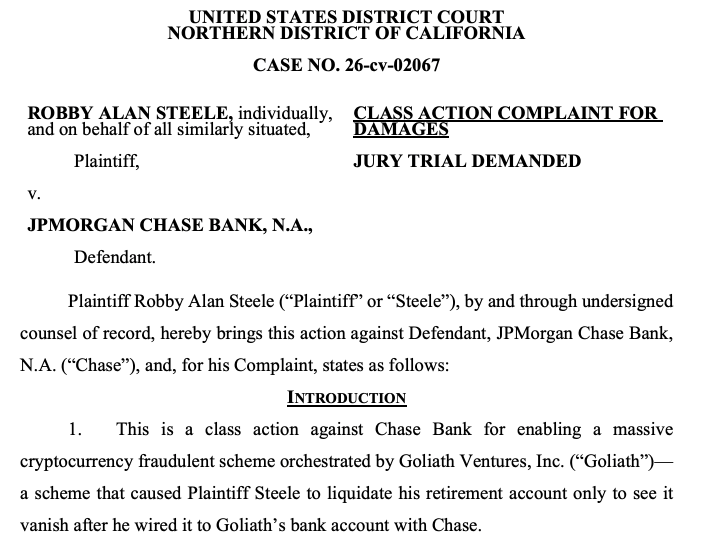
JPMorgan sued over alleged role in $328M crypto Ponzi scheme
War Expenditures Cause Decline in Long-Term Government Bonds Amid Concerns Over Budget Deficits

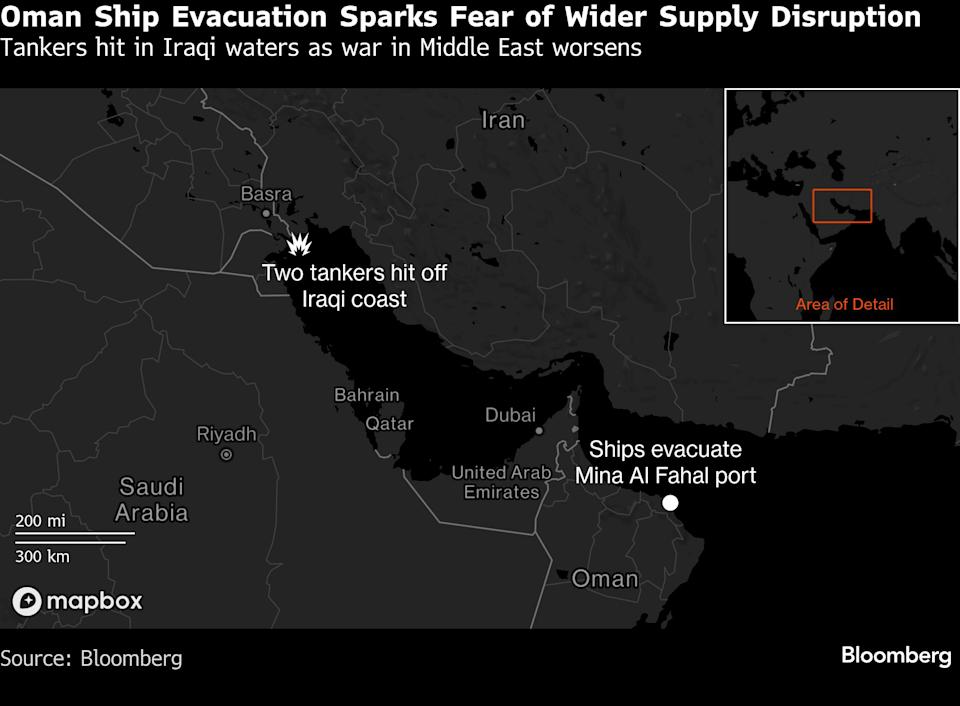
Mideast Shipping Emergency Escalates as Additional Tankers Struck in Gulf
Hedge Funds Compelled to Reduce Leverage as Overcrowded Tech Positions Become Risky
Trending news
MoreCrypto prices
More





