
News
Stay up to date on the latest crypto trends with our expert, in-depth coverage.

1Bitget UEX Daily|Iran Conflict Boosts Oil Prices;U.S. Plans Global AI Chip Controls;Non-Farm Data Imminent (2026-03-06)2Broadcom FY2026 Q1 Earnings: AI Revenue Doubles, Record Results, Strong Guidance, $10B Buyback3If the Strait of Hormuz is closed for another 3 days, 3.3 million barrels of crude oil in the Middle East will be forced to halt production, with Iraq being the hardest hit!

Google has recently awarded Sundar Pichai a compensation package worth $692 million
101 finance·2026/03/08 00:57
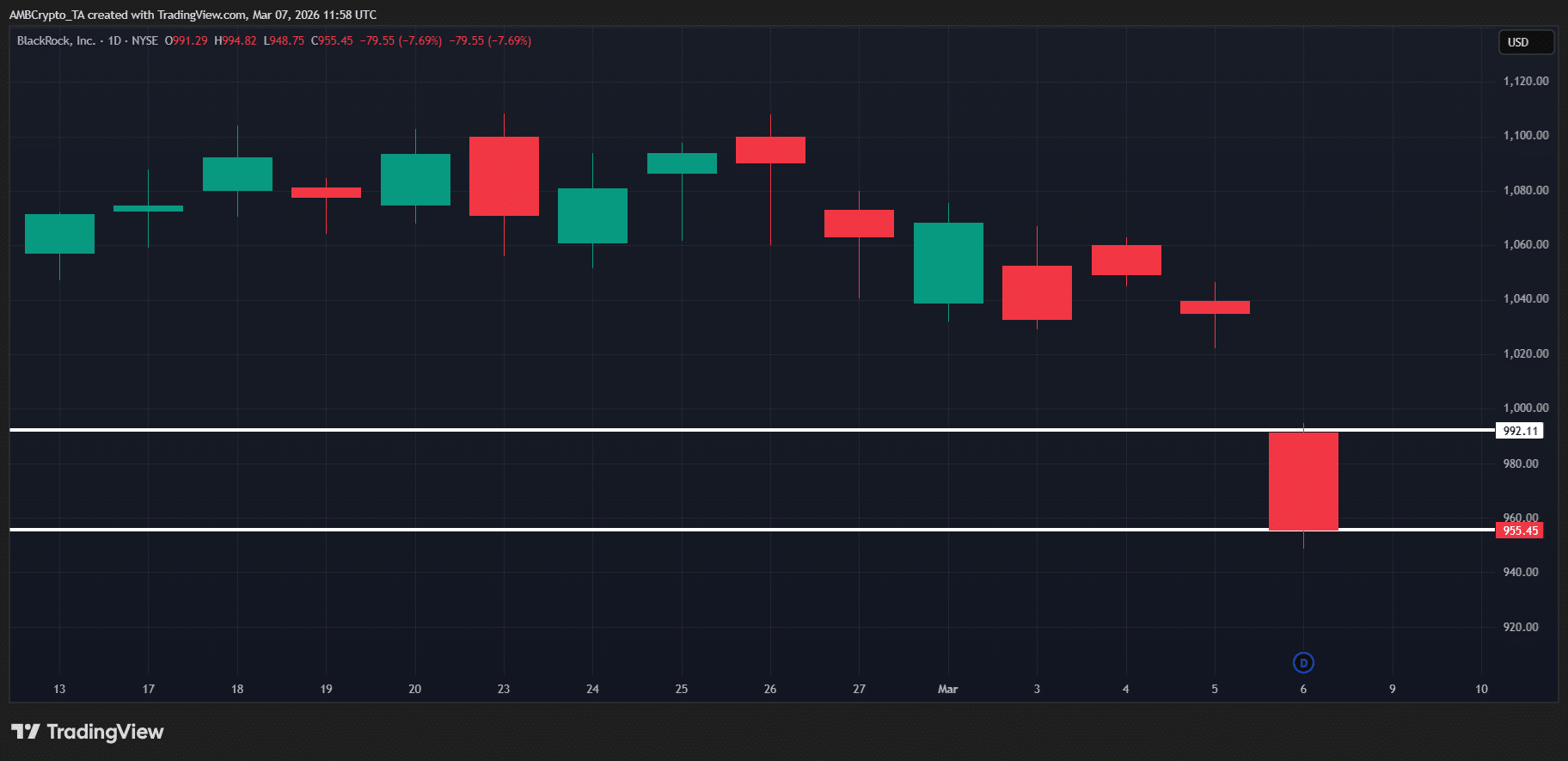
$1.2B liquidity warning – How BlackRock could ‘rock’ the crypto market
AMBCrypto·2026/03/07 23:01
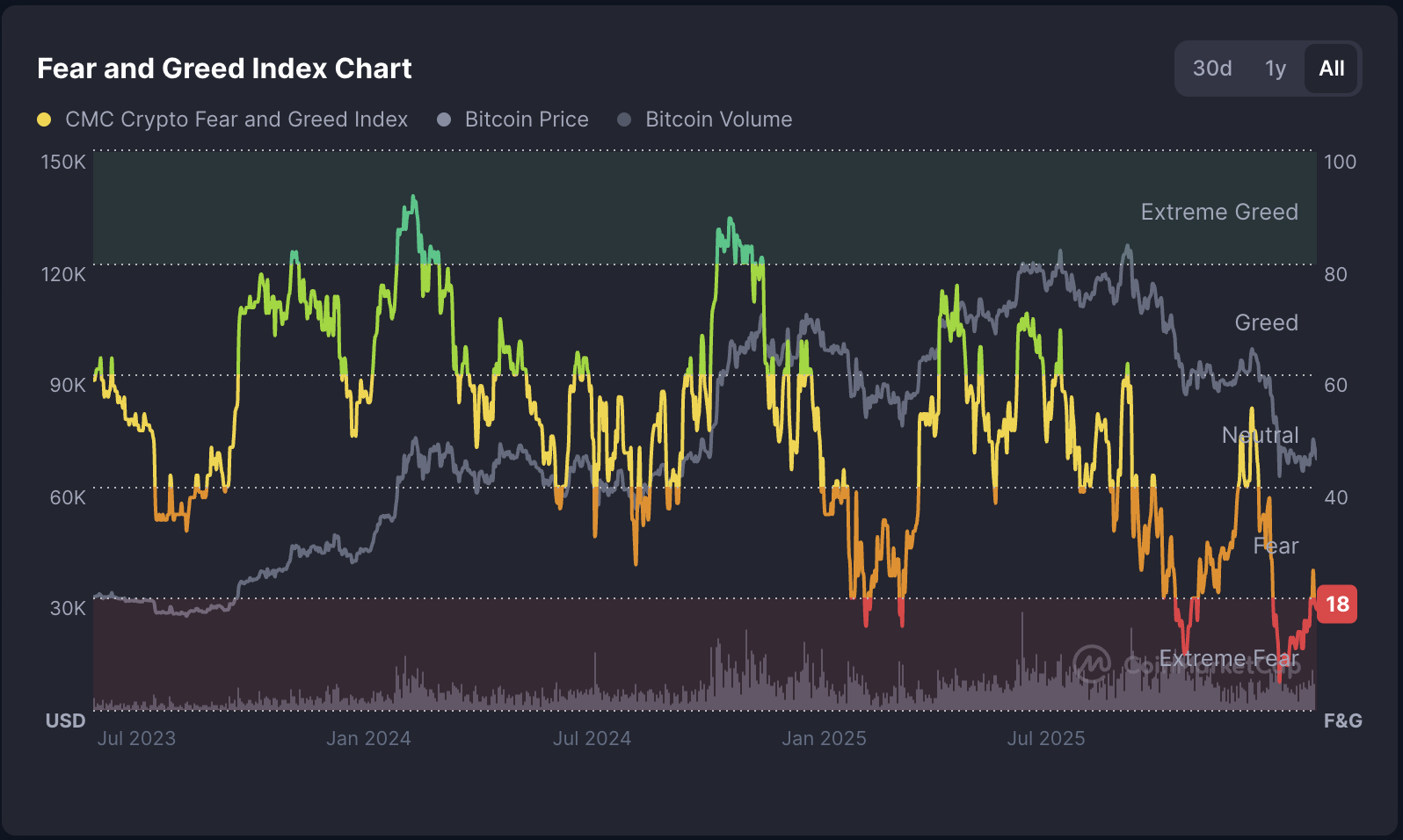
Crypto Fear and Greed Index falls back down to 'extreme fear' levels
Cointelegraph·2026/03/07 22:06
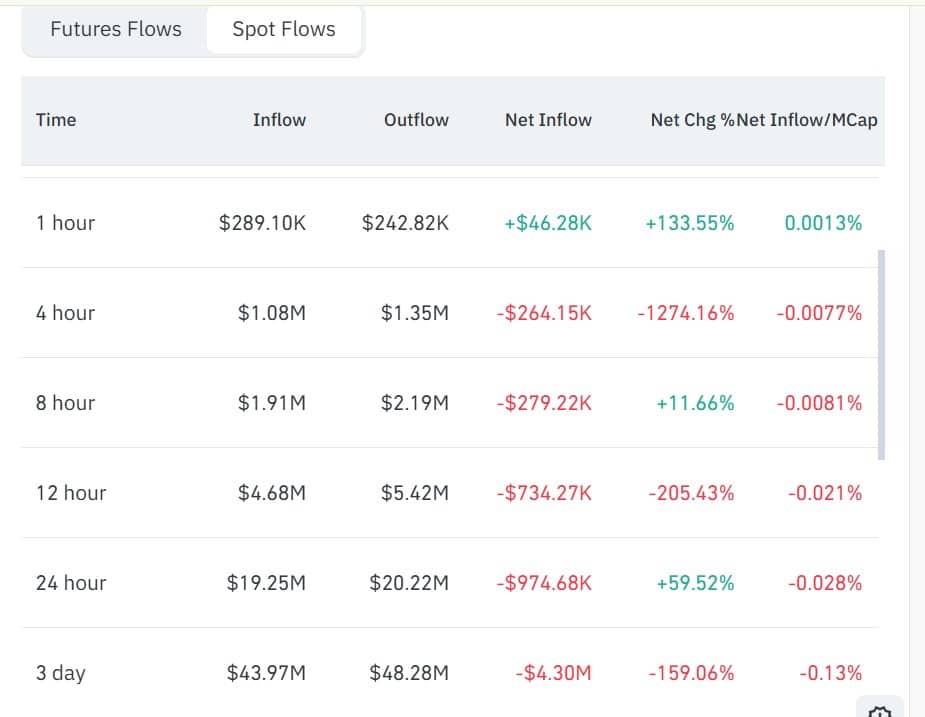
Assessing if Zcash’s $200 support is at risk after ZEC falls by 8%
AMBCrypto·2026/03/07 21:03
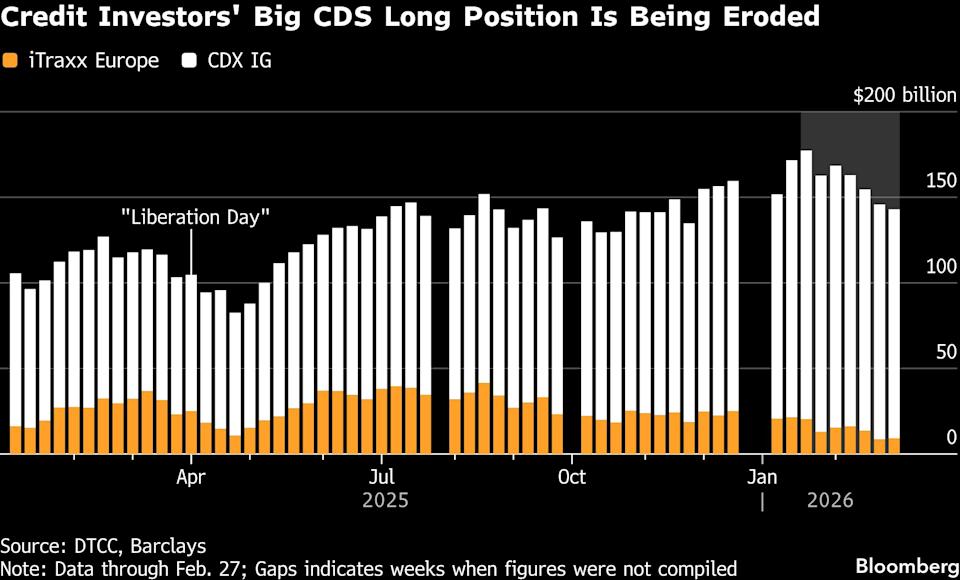
Traders Rush to Acquire Derivatives Amid Rising Risks: Credit Weekly
101 finance·2026/03/07 20:36

1 Tech Stock Flying Under the Radar That Wedbush Recommends Owning During Middle East Tensions
101 finance·2026/03/07 19:39
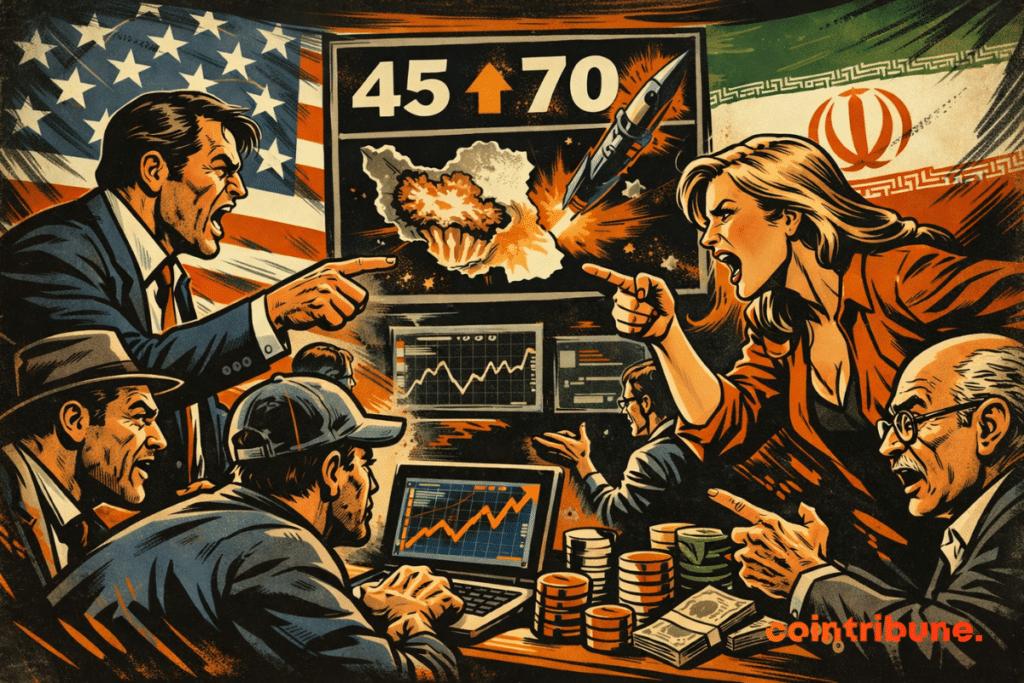
In the United States, prediction markets spark debate after bets on Iran
Cointribune·2026/03/07 19:09
We Asked Google Gemini Where XRP Will Trade On March 31, 2026, Here’s What It Said
TimesTabloid·2026/03/07 19:06
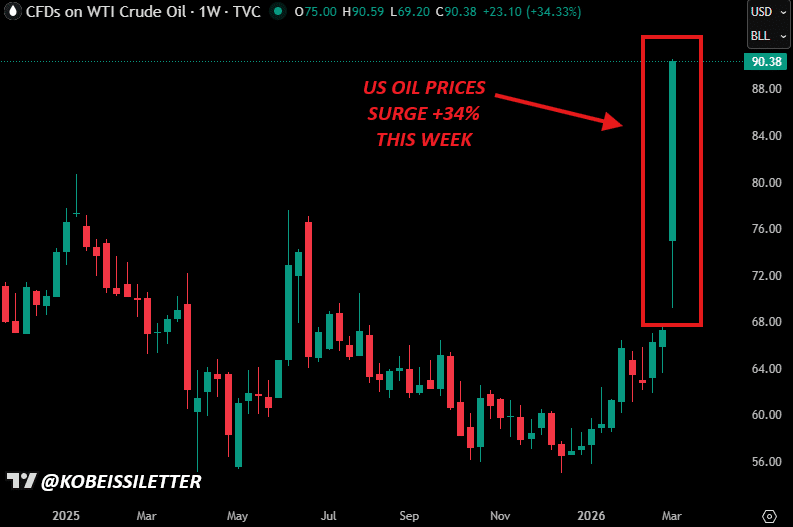
Bitcoin – How ceasefire hopes, oil prices are driving crypto market’s volatility
AMBCrypto·2026/03/07 19:03

Polymarket Founder Reports Increasing Pushback Against War Wagers
101 finance·2026/03/07 18:42
Flash
02:03
Data: The current whale holdings on the Hyperliquid platform are $3.12 billions, with a long-short ratio of 1.ChainCatcher news, according to Coinglass data, whales on the Hyperliquid platform currently hold positions worth $3.12 billions, with long positions totaling $1.562 billions, accounting for 50.08% of the holdings, and short positions totaling $1.557 billions, accounting for 49.92%. The profit and loss for long positions is -$132 millions, while the profit and loss for short positions is $208 millions.
01:58
The silver market faces a historic turning point: institutions are pouring in, driven by surging demand from green energy and the military sectors.(1) Peter Krauth, author of "The Great Silver Bull Market," points out that the silver market has emerged from the "stealth phase" and entered an era of widespread recognition, now attracting institutional capital at the tens of billions of dollars level. Large Canadian hedge funds are actively seeking to allocate mining stocks, but face difficulties due to a lack of professional expertise. (2) Industrial demand for silver is undergoing a structural shift: solar energy and battery storage are providing long-term support, with Rystad Energy predicting that new global battery storage installations will exceed 130 GW in 2026; at the same time, global military spending has reached $2.63 trillion, and the strategic demand for silver in advanced weapons production continues to rise. (3) Global pricing power is shifting from the West to the East: starting April 1, 2026, India will use domestic prices for silver ETF pricing and will allow banks to accept silver as collateral for loans. Krauth warns that if Western exchanges are unable to meet physical delivery requirements, the market could spiral out of control. (4) In terms of valuation, large silver producers are trading at 2 times net asset value, higher than gold producers at 1.3 times, while silver development companies are only at 0.2 times. As silver prices remain high, producer profit margins have reached about 78%, but stock prices have yet to fully reflect these fundamental changes.
01:52
"1011 Insider Whale" Agent: US-Iran war could trigger a 15% oil supply gap, far exceeding historical levels, and oil prices face upward pressureAccording to Odaily, "1011 Insider Whale" agent Garrett Jin posted on X, stating that there has historically been a clear correlation between oil supply gaps and price increases: in 1973, a supply gap of about 7% drove oil prices up by approximately 300%; in 1979, a gap of about 5% led to an increase of around 150%; and in 1990, a gap of about 6% resulted in a rise of about 130%. Currently, the potential supply shock around the Strait of Hormuz is about 15%, far higher than historical cases. Most institutional models currently assume that this shock will last only "a few days to a few weeks," but almost no models expect the shock to last for several months. In reality, once the market consensus on the duration is broken, more long positions may be forced to enter the market, further driving up oil prices.
News