
How Pharmacy Shutdowns Impact Your Neighborhood and Investments

The Evolution of America's Pharmacy Industry: Consolidation Over Collapse
The recent wave of store closures by CVS and Walgreens is often described as a strategic withdrawal, but the reality is more nuanced. Rather than a sudden failure of the retail pharmacy model, these closures represent the turbulent conclusion of a lengthy period of expansion that has left weaker competitors behind.
Rite Aid's story is the most striking example. After more than sixty years as a national presence, the chain has now ceased operations across the country. Every Rite Aid location has now shut down, with the last stores in Washington and Oregon closing in October 2025. This outcome was anticipated: Rite Aid shrank from a high of 2,451 stores in 2022 to just 89 by September 2025, having filed for bankruptcy twice. Ultimately, it was unable to keep pace in an industry that demanded scale and efficiency.
Now, the dominant players are scaling back. CVS intends to shutter 271 stores nationwide this year, describing the move as a way to better align with community health needs. Walgreens is planning an even more significant reduction, with 1,200 closures over three years. These numbers are substantial, but they follow years of rapid growth fueled by acquisitions, including Walgreens' purchase of 1,900 Rite Aid stores in 2018. Rather than a retreat, these closures resemble a necessary trimming of an overextended network.
For investors, the key question is whether this is a prudent restructuring or a sign of deeper industry challenges. Official statements focus on adapting to demographic changes and evolving consumer habits. However, the magnitude of the closures—over 1,170 CVS stores in four years, plus Walgreens' ambitious plan—suggests that the traditional retail pharmacy model is under significant pressure. Rite Aid's exit removes a major competitor, potentially reducing price competition, but it also signals a market becoming more concentrated and less accessible for many Americans.
The Local Impact: How Store Closures Affect Communities
While corporate press releases focus on strategy, the real effects are felt in neighborhoods and clinics across the country. When a pharmacy closes, it disrupts the daily routines of those who depend on it, creating so-called "pharmacy deserts"—areas where residents suddenly lose easy access to essential medications.
The scope of this issue is already considerable. One in eight U.S. neighborhoods currently lacks convenient pharmacy access. This is not a distant risk but an immediate challenge, especially in underserved areas. The closures force people to travel farther for prescriptions, sometimes missing doses or discontinuing treatment altogether. The consequences are particularly severe for older adults managing chronic illnesses, worsening health disparities and outcomes.
Customers are left with few alternatives. For former Rite Aid patrons, the transition was abrupt—the company’s website now simply states, "All Rite Aid stores have now closed", directing people to find new providers. This impersonal shift means navigating unfamiliar systems, often without a nearby or affordable replacement. The loss of a local pharmacy is more than an inconvenience; it removes a trusted healthcare resource and a vital link to preventive care.
The Role of Retail Pharmacies in Public Health
Retail pharmacies do far more than sell over-the-counter remedies. They play a crucial role in medication management and preventive services, such as vaccinations. The consolidation of the industry, from Rite Aid’s demise to the downsizing by CVS and Walgreens, is concentrating market power while reducing access in vulnerable communities. While these moves may make financial sense for investors, they come at a significant human cost by expanding pharmacy deserts.
Behind the Corporate Narrative: Financial Realities
CVS and Walgreens present their closures as smart, forward-looking decisions, citing factors like population trends, consumer preferences, and community health needs. However, the underlying motivation is often about correcting past overexpansion rather than preparing for the future.
A telling admission came from Walgreens’ CEO: about 25% of Walgreens stores are unprofitable. When a quarter of locations are losing money, the issue is not just strategic repositioning but a fundamental challenge to the business model. Store closures are a direct response to these financial pressures.
This is not an isolated adjustment but part of a broader cost-cutting effort. Both CVS and Walgreens have laid off thousands of employees to reduce expenses, with Walgreens recently announcing 628 job cuts. These workforce reductions are intended to streamline operations, but they also reflect the difficulty of sustaining large, underperforming store networks.
Ultimately, the narrative of "optimization" masks deeper problems. While changing shopping habits and online competition play a role, the core issue is that many stores are simply not attracting enough customers. As retail expert Neil Saunders observes, the chains have failed to innovate beyond basic services, and now face the consequences of overextending into expensive locations. The current wave of closures is a necessary, if painful, step toward a more sustainable business model. The open question is whether these measures will be enough to restore profitability, or if the industry faces even greater challenges ahead.
Key Developments and What Lies Ahead
The coming months will reveal whether this industry overhaul is a prudent reset or an overcorrection. Investors should focus on two main indicators: the rate at which stores are closing compared to the system’s ability to adapt, and the emergence of new gaps in pharmacy access.
- Transparency through Data: The launch of the new USC/NCPA pharmacy shortage mapping tool is a significant step forward. This public, interactive resource provides real-time information on pharmacy access and highlights areas where closures are creating new deserts. If the data shows that closures are outpacing the opening of new independent pharmacies, it could signal growing risks for both communities and the industry’s long-term prospects.
- Execution Risks: While CVS plans to close 271 stores this year and Walgreens has an even larger multi-year plan, the actual pace of closures will be closely watched. Faster-than-expected shutdowns may indicate deeper financial distress, while delays could point to operational or political challenges. Any significant deviation from announced plans will be telling.
- The Role of Independent Pharmacies: With over 18,900 independent pharmacies nationwide, these businesses could help fill the void left by chain closures. However, as NCPA CEO Douglas Hoey points out, they are often squeezed by unfavorable payment policies and may struggle to expand quickly enough. If the mapping tool shows a rise in "critical access" pharmacies—those whose closure would create a new shortage—it will be a sign that the system is under strain. For investors, the hope is for a smooth transition; if access gaps widen, it could undermine confidence in the sector’s future.
Example: Absolute Momentum Long-Only Strategy for SPY
Strategy Overview
This approach invests in SPY when the 252-day rate of change is positive and the closing price is above the 200-day simple moving average (SMA). Positions are exited if the price drops below the 200-day SMA, after 20 trading days, or if a take-profit (+8%) or stop-loss (−4%) threshold is reached.
Backtest Summary
- Total Return: 6.91%
- Annualized Return: 3.64%
- Maximum Drawdown: 6.13%
- Profit-Loss Ratio: 1.37
- Total Trades: 13
- Winning Trades: 7
- Losing Trades: 6
- Win Rate: 53.85%
- Average Holding Period: 15 days
- Maximum Consecutive Losses: 2
- Average Gain per Winning Trade: 2.59%
- Average Loss per Losing Trade: 1.83%
- Largest Single Gain: 3.91%
- Largest Single Loss: 4.46%
In summary, the transformation of the U.S. pharmacy sector is reshaping both the business landscape and the daily lives of millions. As the industry consolidates, the challenge will be to ensure that efficiency gains do not come at the expense of public health and community access.
Disclaimer: The content of this article solely reflects the author's opinion and does not represent the platform in any capacity. This article is not intended to serve as a reference for making investment decisions.
You may also like
National Vision: Fourth Quarter Earnings Overview
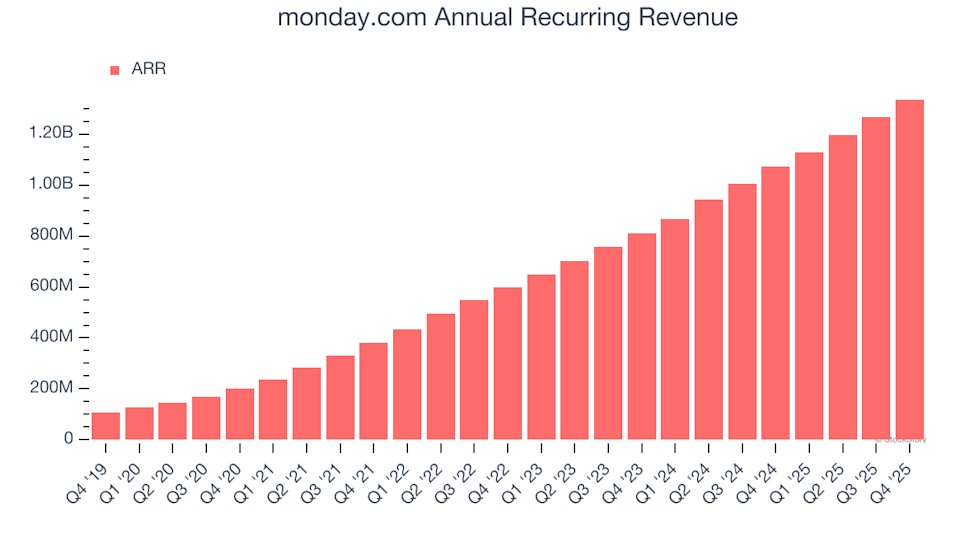
monday.com (MNDY): 3 Key Factors That Make This Stock Appealing
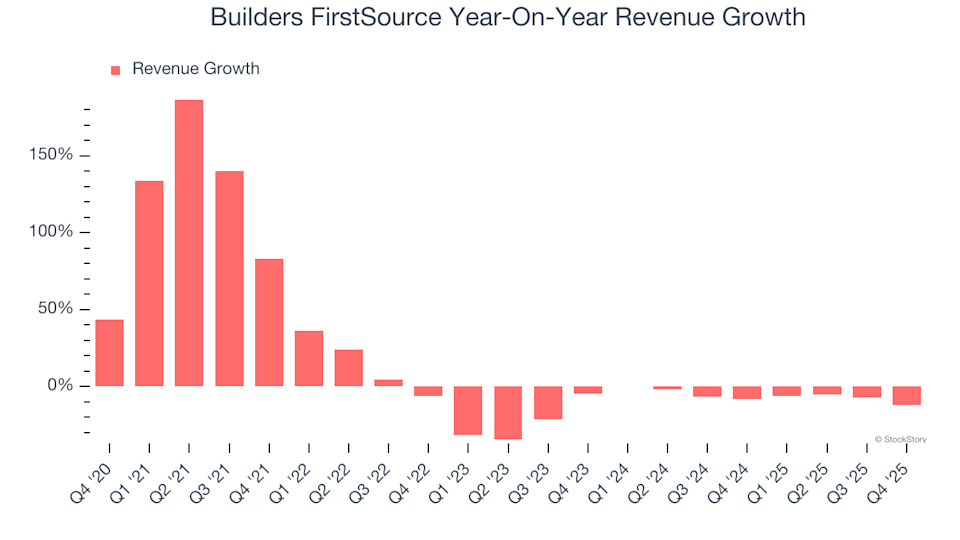
3 Reasons Why BLDR Carries Risk and One Alternative Stock Worth Considering

Trending news
MoreCrypto prices
More





