
With Trump’s conflict involving Iran, the responsibilities awaiting the next Fed chair have become even more challenging

Federal Reserve Faces New Challenges Amid Middle East Conflict
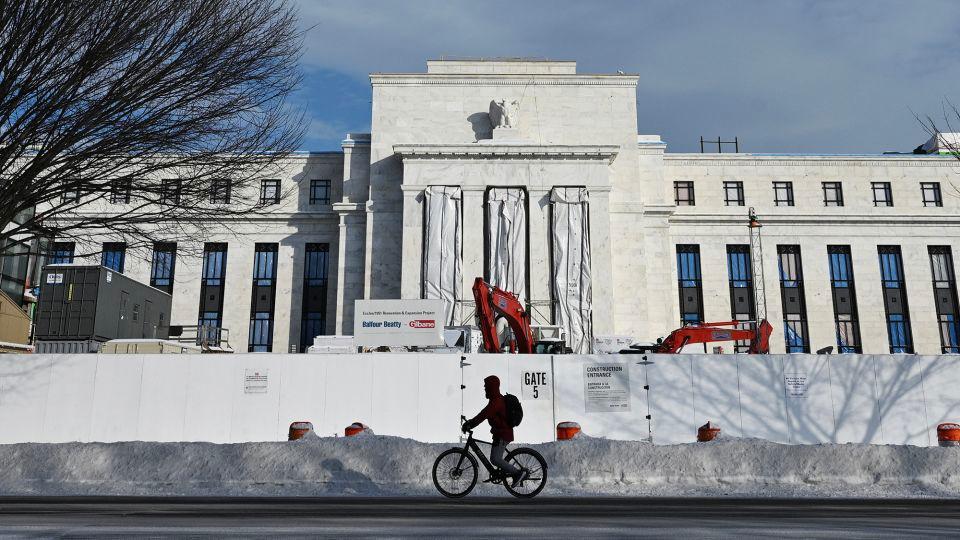
The Federal Reserve's plans for potential interest rate reductions are being complicated by the ongoing US-Israel conflict with Iran, even as President Donald Trump prepares to appoint a Fed chair who supports lower rates.
Previously, the central bank was expected to keep its key interest rate steady until at least mid-year. Now, economists believe the Fed must closely monitor how the war influences the US economy, especially given the added uncertainty from the Supreme Court's recent decision invalidating many of Trump's tariffs.
The escalation in the Middle East is making it harder for Kevin Warsh, Trump's nominee for Fed chair, to argue for rate cuts in 2026.
Minneapolis Fed President Neel Kashkari, who will vote on policy this year, told Bloomberg, “If headline inflation remains elevated after five years of high prices, we must pay close attention. This new shock could have global economic repercussions.”
Kevin Warsh's Difficult Task
According to the Fed's December projections, only one rate cut was anticipated for 2026. However, many investors expect Warsh to advocate for additional reductions if he is confirmed to replace Jerome Powell as Fed chair in May.
Warsh has suggested that AI-driven productivity could support lower interest rates. Yet, several Fed officials, including Michael Barr and Beth Hammack, remain unconvinced. Since each member of the Fed’s rate-setting committee has one vote, Warsh would need majority support to enact rate cuts.
At present, the immediate economic risks posed by the conflict in the Middle East outweigh longer-term considerations like AI productivity.
Ed Yardeni, president of Yardeni Research, told CNN, “The Fed must respond to current realities. The oil shock has direct consequences for inflation and the economy. AI productivity is promising, but it’s unlikely to help Warsh push through a rate cut right now.”
The effect of the war on inflation depends on how severe and prolonged the conflict is, especially regarding disruptions at the Strait of Hormuz, a critical passage for global oil shipments.
Goldman Sachs analysts recently told clients they expect any disruptions to be brief, with oil prices eventually falling. However, if oil prices remain high, annual inflation could rise from 2.4% in January to 3% by year’s end, undermining Goldman’s forecast for inflation to reach the Fed’s 2% target by the end of 2026.
Economic Uncertainty and Inflation Risks
The attacks on Iran have already pushed US gasoline prices higher, and further increases are expected if the conflict continues.
James McCann, senior economist at Edward Jones, noted, “Central banks are wary of another inflation surge. The Fed hasn’t met its inflation target since early 2021, and rising prices could make policymakers more sensitive to inflation risks.”
Trade Policy Uncertainty Adds to Fed's Challenges
Fed officials typically prefer to observe how major developments unfold over several months, including the Supreme Court's decision to strike down many of Trump’s tariffs imposed under emergency powers.
Kashkari commented, “The Supreme Court ruling has created uncertainty about the new tariff regime and which legal authorities the administration will use. This uncertainty is a drag on the economy.”
Following the court’s decision, the president announced a 10% global tariff, later increasing it to 15%.
Kashkari believes inflation won’t rise significantly if the administration restores the tariffs through other legal avenues, but this uncertainty is another reason for Fed officials to wait and see how events unfold.
Chicago Fed President Austan Goolsbee also highlighted the current unpredictability, telling reporters, “The more uncertainty there is, the more businesses question policy direction.”
Reporting by Matt Egan for CNN.
Disclaimer: The content of this article solely reflects the author's opinion and does not represent the platform in any capacity. This article is not intended to serve as a reference for making investment decisions.
You may also like
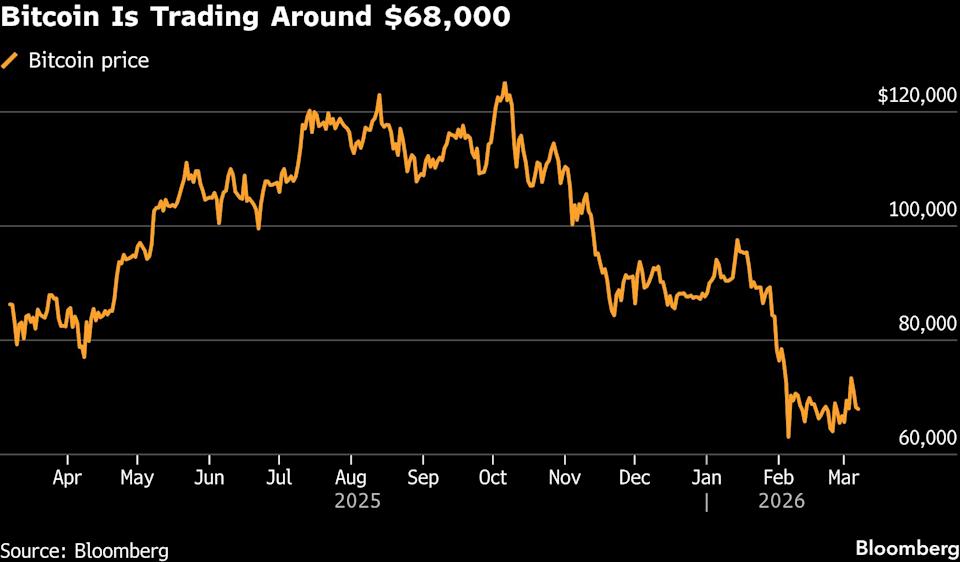
Crypto Markets Respond to Ongoing Iran Conflict and Associated War Risks
Stablecoin Companies Make Major Wagers on AI Agent Transactions That Are Still Rare
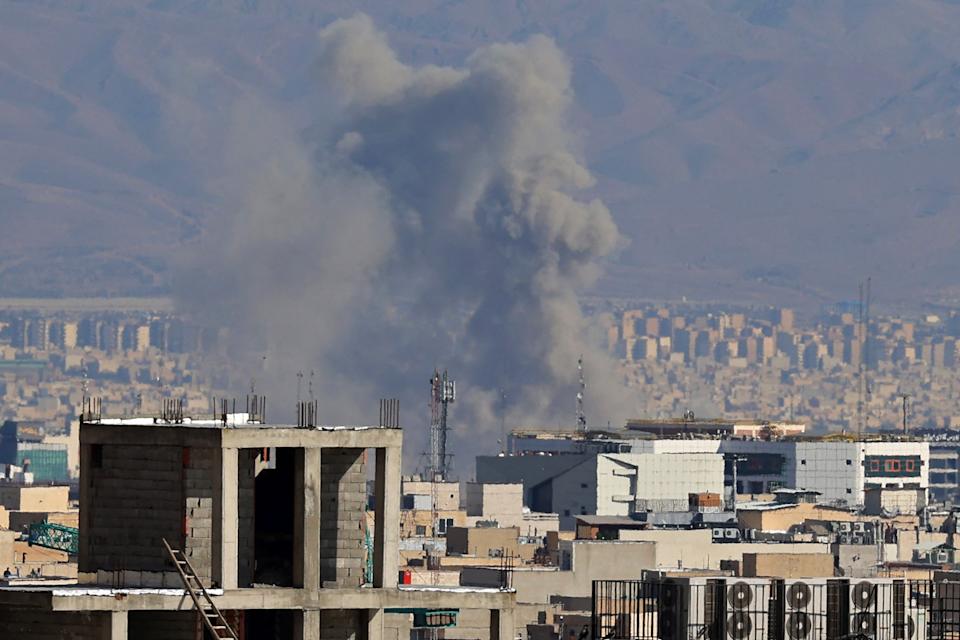
In Charts: The Impact of the Iran Crisis on International Trade

Trending news
MoreCrypto prices
More





