
News
Stay up to date on the latest crypto trends with our expert, in-depth coverage.

1Bitget UEX Daily|Iran Conflict Boosts Oil Prices;U.S. Plans Global AI Chip Controls;Non-Farm Data Imminent (2026-03-06)2Broadcom FY2026 Q1 Earnings: AI Revenue Doubles, Record Results, Strong Guidance, $10B Buyback3If the Strait of Hormuz is closed for another 3 days, 3.3 million barrels of crude oil in the Middle East will be forced to halt production, with Iraq being the hardest hit!

Google has recently awarded Sundar Pichai a compensation package worth $692 million
101 finance·2026/03/08 00:57
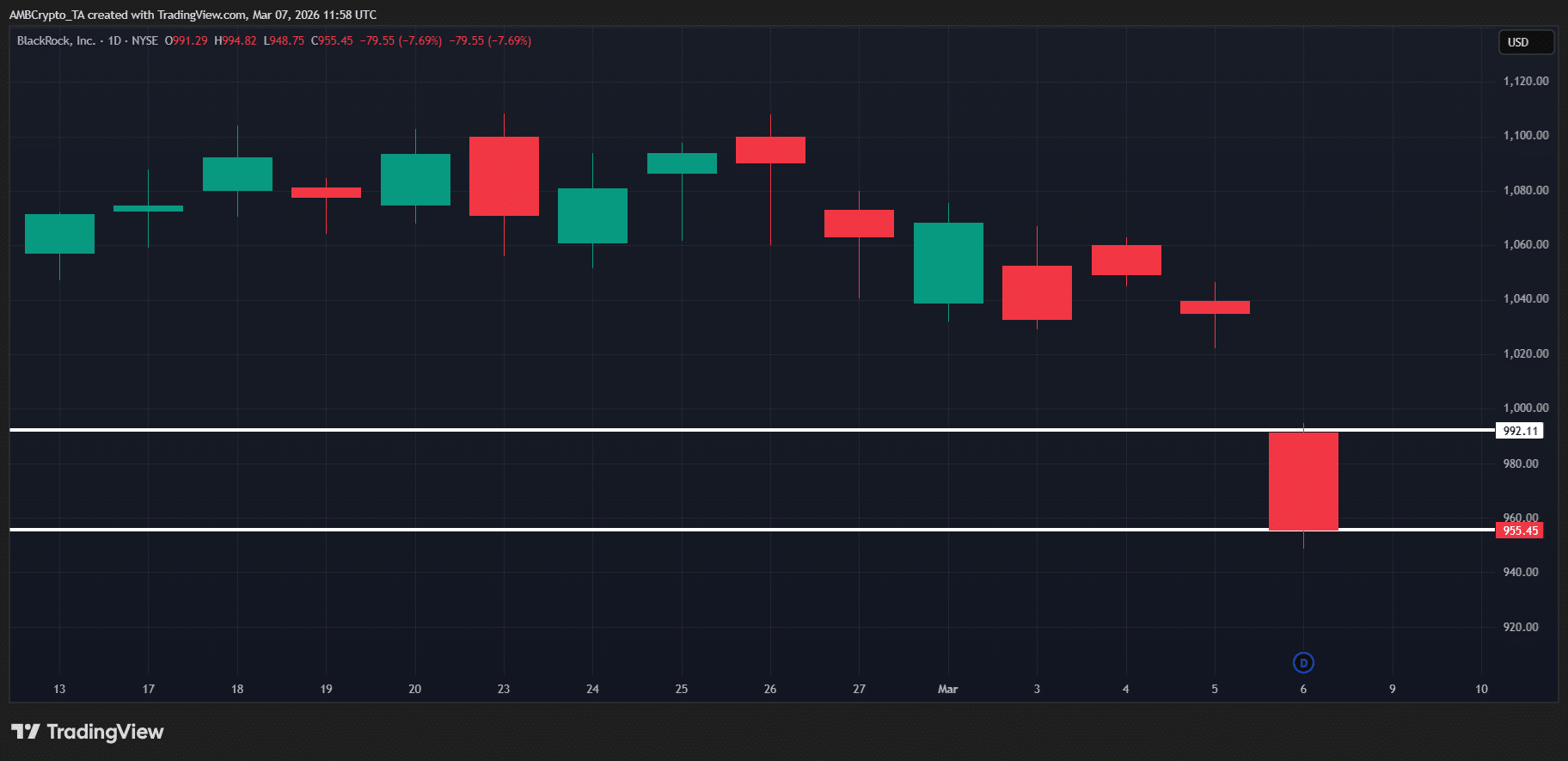
$1.2B liquidity warning – How BlackRock could ‘rock’ the crypto market
AMBCrypto·2026/03/07 23:01
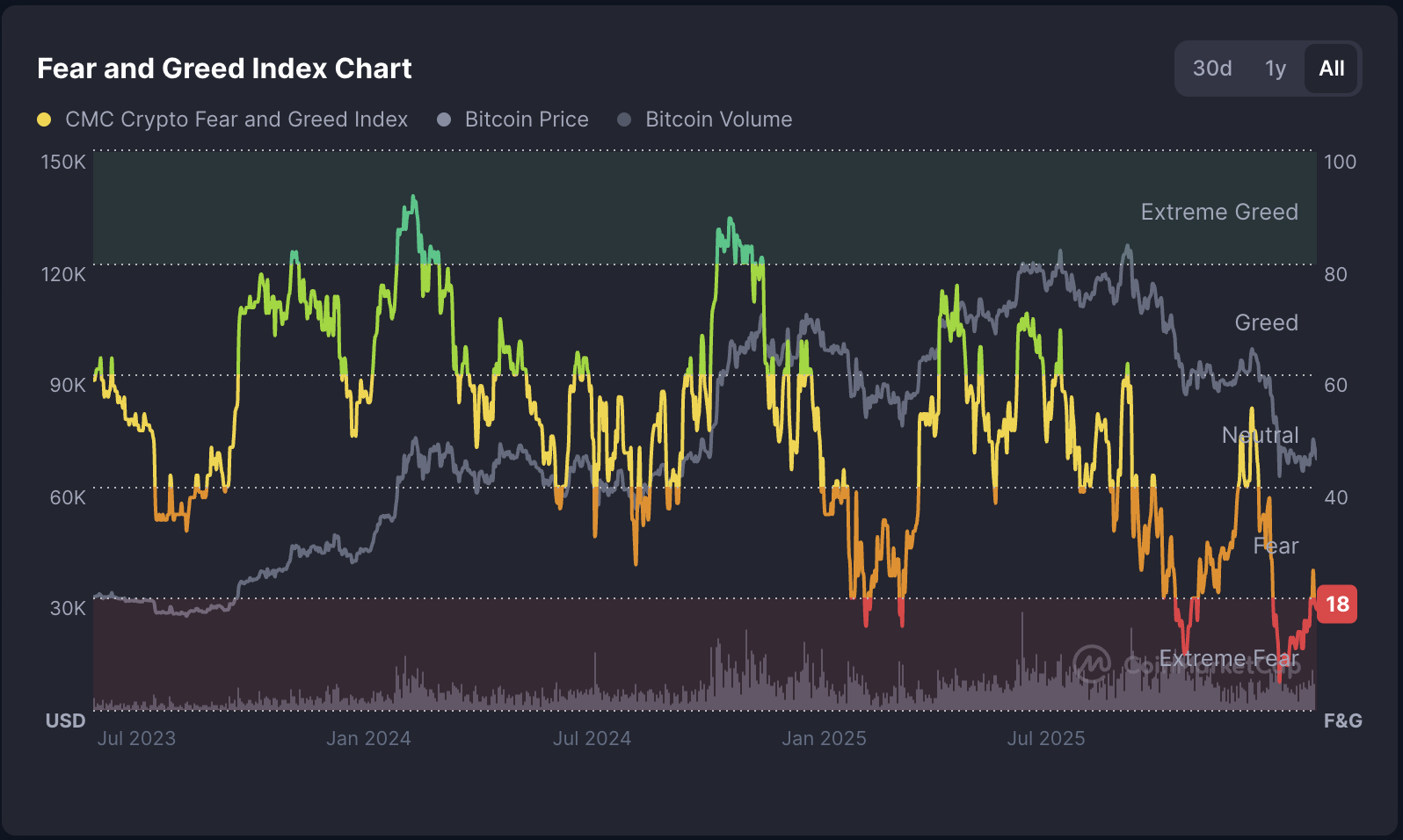
Crypto Fear and Greed Index falls back down to 'extreme fear' levels
Cointelegraph·2026/03/07 22:06
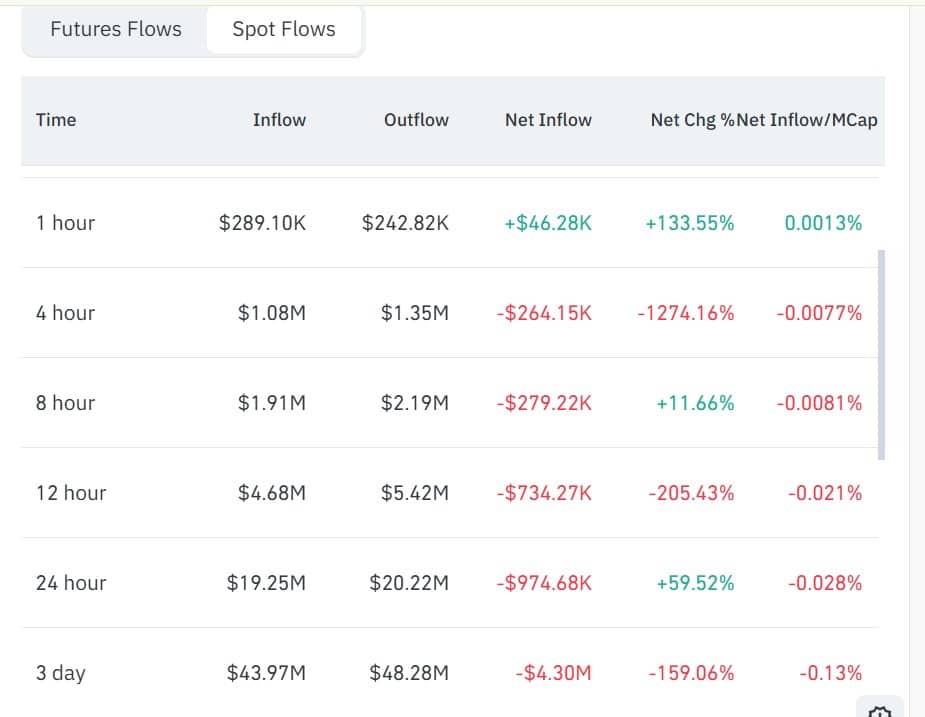
Assessing if Zcash’s $200 support is at risk after ZEC falls by 8%
AMBCrypto·2026/03/07 21:03
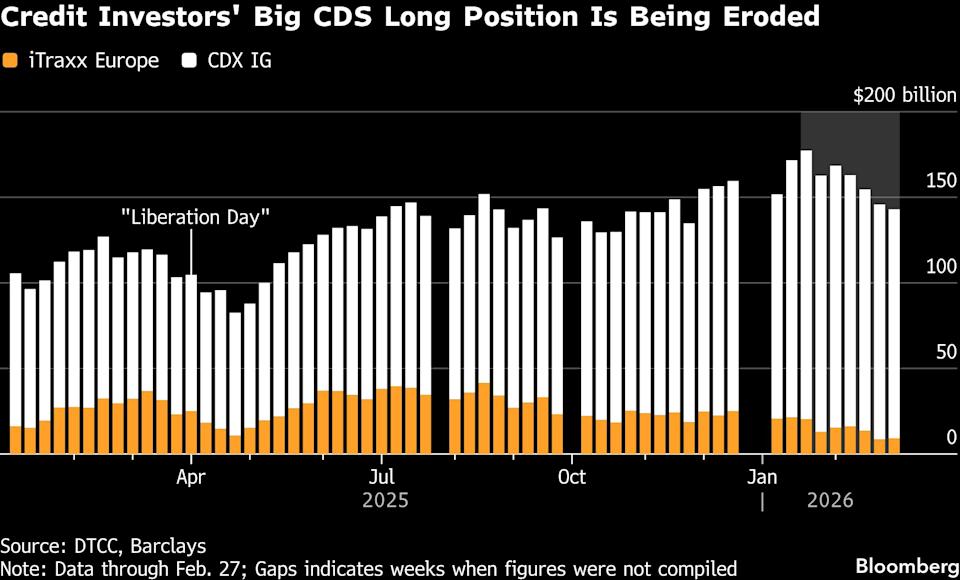
Traders Rush to Acquire Derivatives Amid Rising Risks: Credit Weekly
101 finance·2026/03/07 20:36
1 Tech Stock Flying Under the Radar That Wedbush Recommends Owning During Middle East Tensions
101 finance·2026/03/07 19:39
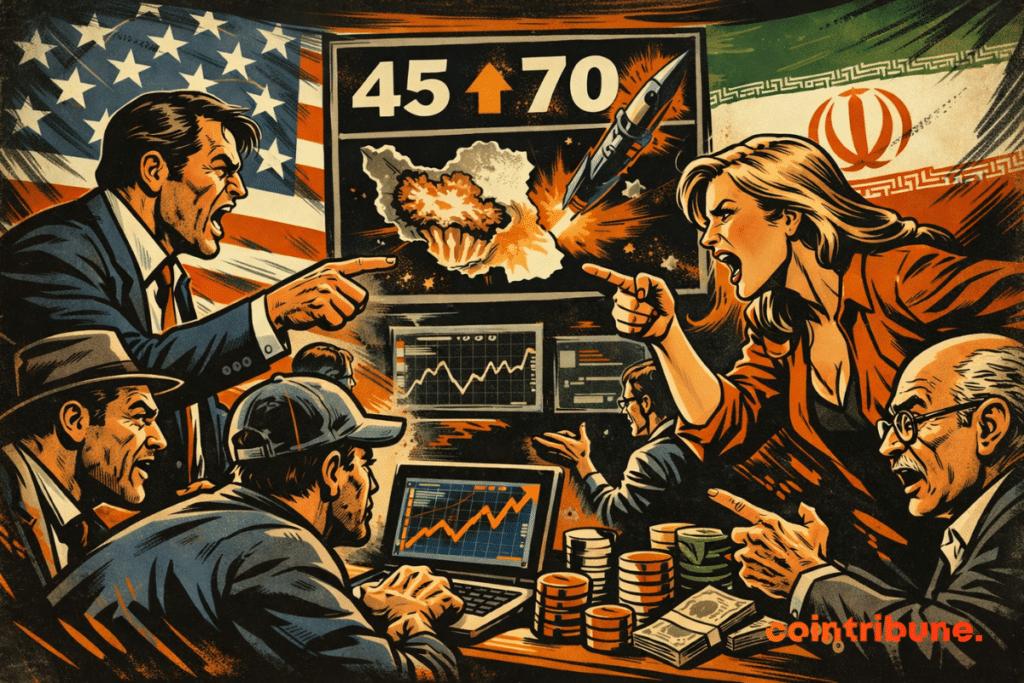
In the United States, prediction markets spark debate after bets on Iran
Cointribune·2026/03/07 19:09
We Asked Google Gemini Where XRP Will Trade On March 31, 2026, Here’s What It Said
TimesTabloid·2026/03/07 19:06
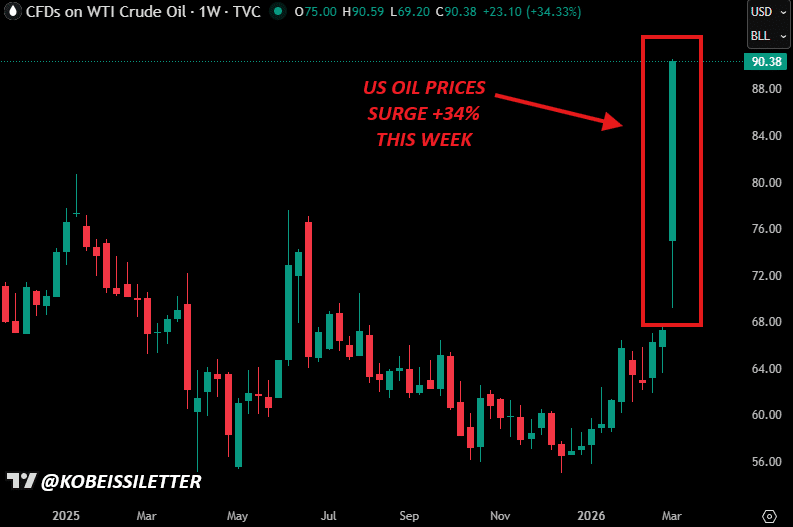
Bitcoin – How ceasefire hopes, oil prices are driving crypto market’s volatility
AMBCrypto·2026/03/07 19:03

Polymarket Founder Reports Increasing Pushback Against War Wagers
101 finance·2026/03/07 18:42
Flash
02:31
"Fed Mouthpiece": International situation and domestic employment put the Federal Reserve in a dilemma, leaving it with no choice but to wait and seeBlockBeats News, March 8, Nick Timiraos, a Wall Street Journal reporter known as the "Fed Whisperer," wrote that what the Federal Reserve fears most has always been being forced to choose between fighting inflation and protecting employment. Friday's employment report brought this dilemma one step closer. Nick cited Minneapolis Fed President Neel Kashkari, who has a voting right at this year's FOMC meetings, recently warning that the current situation may be becoming a "replay" of the Russia-Ukraine conflict, and reminded the Fed not to repeat the mistake of judging inflation as a temporary rise in 2021. Regarding the Fed's next move, Timiraos judged: "At present, Fed officials may just wait and see. Fed Chair Jerome Powell urged other (FOMC) members to cut rates three times by the end of last year, but each rate cut triggered increasing controversy within the Fed's 12-member rate-setting committee (FOMC). Officials have made it clear that they are not in a hurry to adjust rates at the meeting later this month, and even if a month's data is concerning, it is unlikely to shake this stance." Timiraos believes that if the unemployment rate continues to rise in the coming months, the Fed may restart rate cuts around mid-year. But if inflation data picks up again before then, internal resistance will clearly increase. He concluded that a central bank facing both weakening employment and the risk of inflation reigniting "has almost no good options."
02:18
South Korea is considering implementing a cap on oil prices for the first time in 30 yearsBlockBeats News, March 8th, according to Yonhap News Agency, a source revealed on Sunday that the South Korean government is considering implementing an oil price ceiling for the first time in nearly 30 years due to concerns over rising energy prices amid the escalated Middle East conflict. Following the US airstrike on Iran and Iran's retaliatory actions, global oil prices surged. In the past, international oil price fluctuations would take about two weeks to transmit to the domestic market, but this time it almost immediately impacted domestic oil prices in South Korea, prompting officials to start considering the feasibility of introducing an oil price ceiling. The source stated that the government is carefully weighing this option as there may be side effects such as market distortions and financial burdens.
Prior to this, South Korean President Lee Jae-myung ordered that if it is difficult to implement a nationwide unified oil price ceiling, regional and fuel-specific price ceilings should be promptly established. The next day, Lee Jae-myung also warned oil refiners against colluding to raise gasoline prices. In accordance with the President's instructions, the government has set up an inter-agency inspection team to crack down on illegal oil distribution, hoarding, and unfair trading practices. However, despite these measures, gasoline prices at domestic gas stations in South Korea continue to rise.
02:06
「BTC OG Insider Whale」 Agent: If Supply Shock Continues, Oil Price May Face Further Upside PressureBlockBeats News, March 8th, "BTC OG Whale Insider" agent Garrett Jin posted on Platform X, stating that historically there is a clear correlation between an oil supply gap and price surge: in 1973, about a 7% supply gap drove a price surge of about 300%; in 1979, about a 5% gap led to a 150% surge; in 1990, about a 6% gap resulted in a 130% surge.
Currently, the potential supply shock around the Strait of Hormuz is approximately 15%, much higher than historical cases. Most current institutional models assume that this shock will last only "a few days to a few weeks," with hardly any models anticipating a shock that could last for several months. In reality, once market consensus on the duration is shattered, more long positions may be forced into the market, further driving up oil prices.
News