
News
Stay up to date on the latest crypto trends with our expert, in-depth coverage.

1Bitcoin adoption ‘booming’ while price chops: Which metrics matter most?2SEC approval sought for JitoSOL Solana-based liquid staking token ETF3Crypto Biz: A Bitcoin treasury shareholder revolt

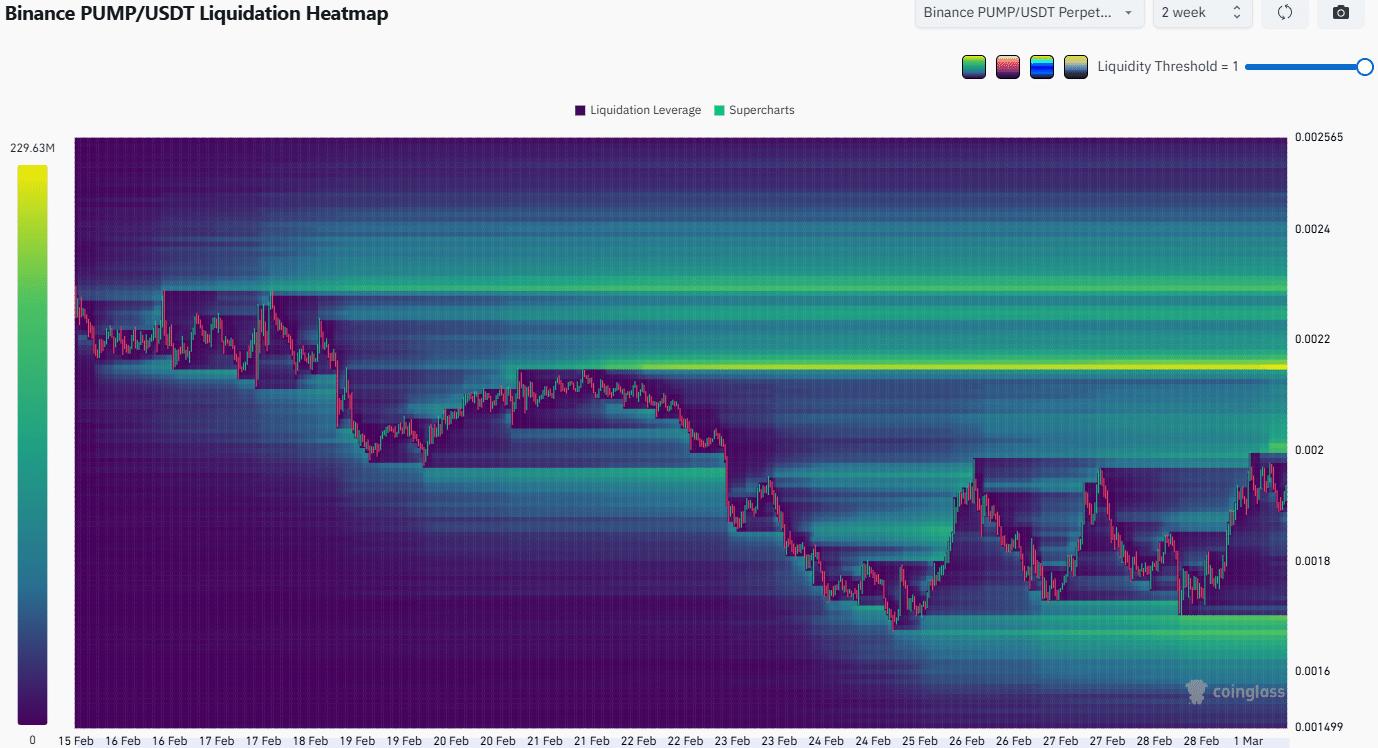
PUMP: Indecisive price action keeps traders on edge
AMBCrypto·2026/03/02 01:03
Canadian Dollar weakens as safe-haven flows boosts USD; Oil surge caps gains for USD/CAD
101 finance·2026/03/02 00:54

Iran Attacks Reveal the Grim Downside of the Prediction Market Age
101 finance·2026/03/02 00:45

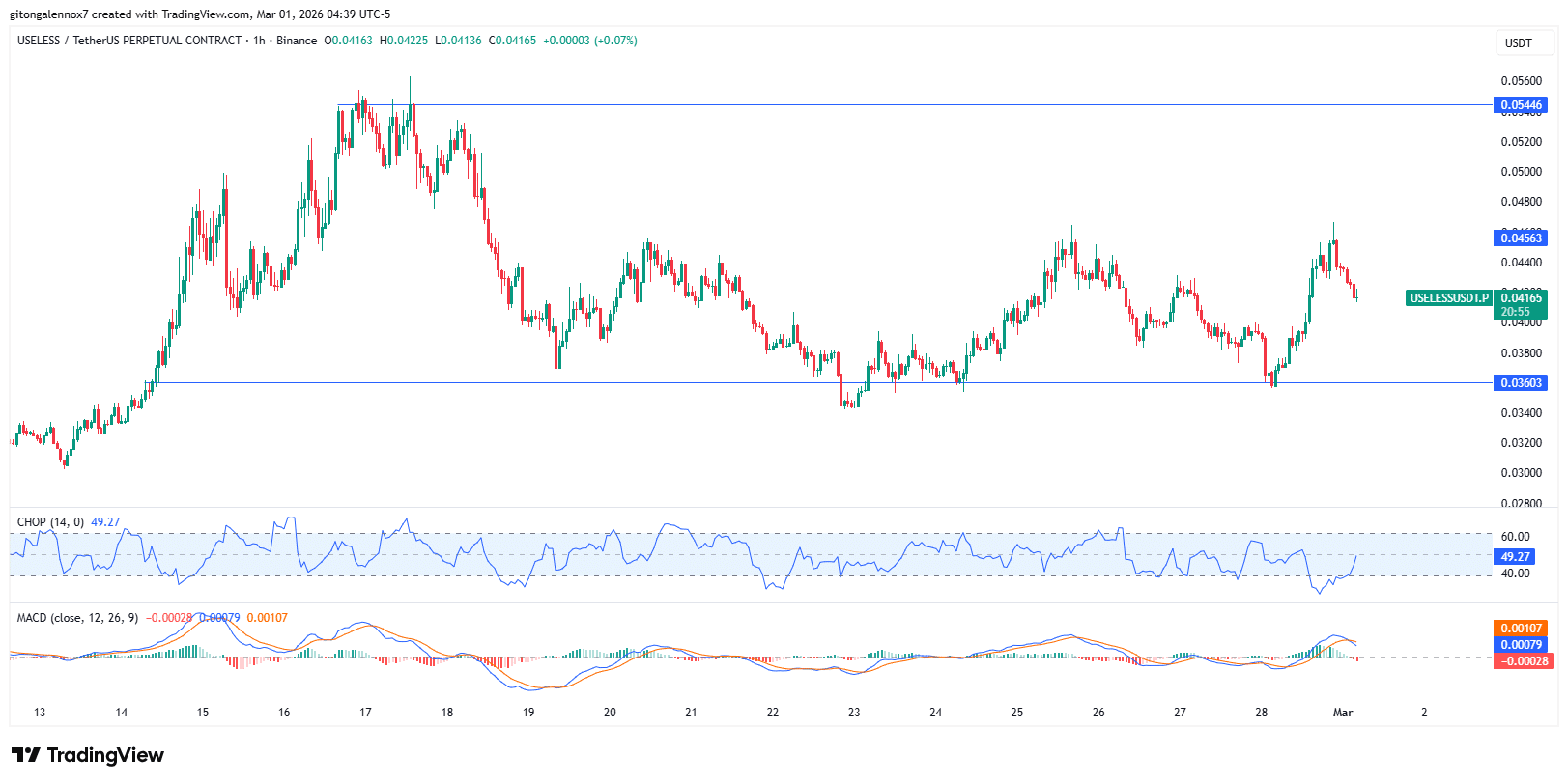
USELESS jumps 17% as whales load up – Why THIS support is KEY!
AMBCrypto·2026/03/02 00:03
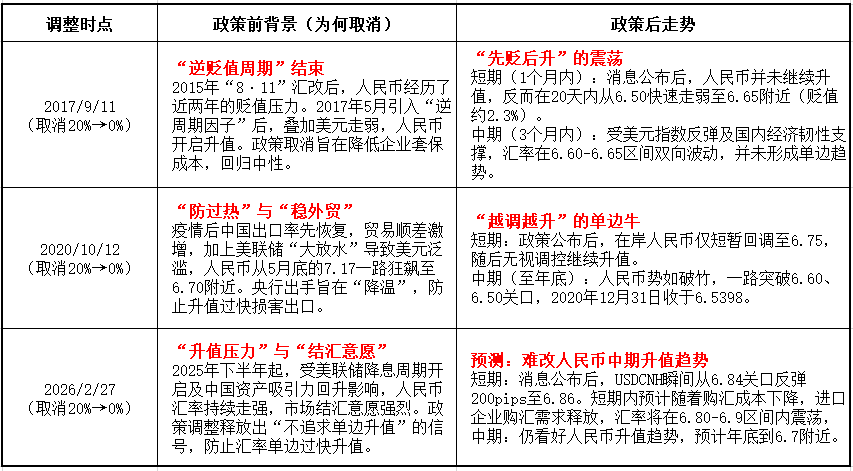
Market Impact of Cancelling Forward Foreign Exchange Risk Reserve Ratio
早安汇市·2026/03/02 00:03
Explosions Echo Throughout the City! Witnessing History on Monday
金融界·2026/03/01 23:53
WTI soars over 8% after Iran conflict chokes the Strait of Hormuz
101 finance·2026/03/01 23:45
Flash
02:16
If oil prices surge to $100, it will bring a new inflation shock to JapanMonex Group director Jesper Koll has warned that rising oil prices could bring a new wave of inflation to Japan, threatening Prime Minister Sanae Takaichi's promise to ease the cost-of-living pressures. If crude oil prices rise to $100–$120 per barrel in the coming months, it will trigger a supply shock, increasing Japanese consumer inflation by nearly 0.5 percentage points. As a net importer of oil, rising fuel costs will widen the trade deficit, intensify imported inflation, and further pressure the already weak yen. In addition, a surge in oil prices will complicate Bank of Japan policy, making interest rate hikes a potentially wrong move in this context. Japan may need to provide additional fiscal support to households, which could inject more uncertainty into the market.
02:07
A certain whale went 40x long on BTC and lost a total of $1.167 million in the past 24 hours.According to ChainCatcher, on-chain analyst Ai姨 (@ai 9684xtpa) monitored that a cryptocurrency trader operating with 40x leverage suffered a large-scale liquidation when the price of BTC dropped to $65,056, resulting in a total loss of $1.167 million over the past 24 hours.
02:04
The Central Bank of Russia warns that Russian pyramid schemes are massively shifting to cryptocurrencies.ChainCatcher News, according to DL News, the Central Bank of Russia has warned that organizers of financial pyramid schemes in the country have increasingly turned to using cryptocurrencies. In 2025, Russian citizens sent funds to cryptocurrency wallets held by fraudsters, involving more than 4,600 wallet addresses. Last year, the central bank identified 7,087 fraudulent schemes such as financial pyramids and fake brokers, 80% of which operated online, with most using cryptocurrencies and money mules to transfer funds. In 2025, 84% of fraudsters used cryptocurrencies to raise funds, up from 77% in 2024. The Russian central bank has ordered the blocking of 21,500 related web pages and social media posts. The central bank pointed out that fraudsters choose cryptocurrencies to maintain anonymity and evade punishment, and has pledged to strengthen monitoring and intensify efforts to combat crypto fraud.
News