
News
Stay up to date on the latest crypto trends with our expert, in-depth coverage.

1Bitget UEX Daily | US Plans to Implement 15% Global Tariffs This Week; Trump Nominates Walsh as Fed Chair; BlackRock Continues to Increase Bitcoin Holdings Recently (March 05, 2026)2Tanker Shortage Worsens Oil Crisis as Iran Conflict Escalates3Broadcom CEO Predicts AI Chip Revenue Will Surpass $100 Billion by 2027

Protolabs: A Leading Platform Advancing Along the S-Curve of Digital Manufacturing
101 finance·2026/03/05 06:03
China's Export Halt: A Flow-Driven Supply Shock
101 finance·2026/03/05 05:51
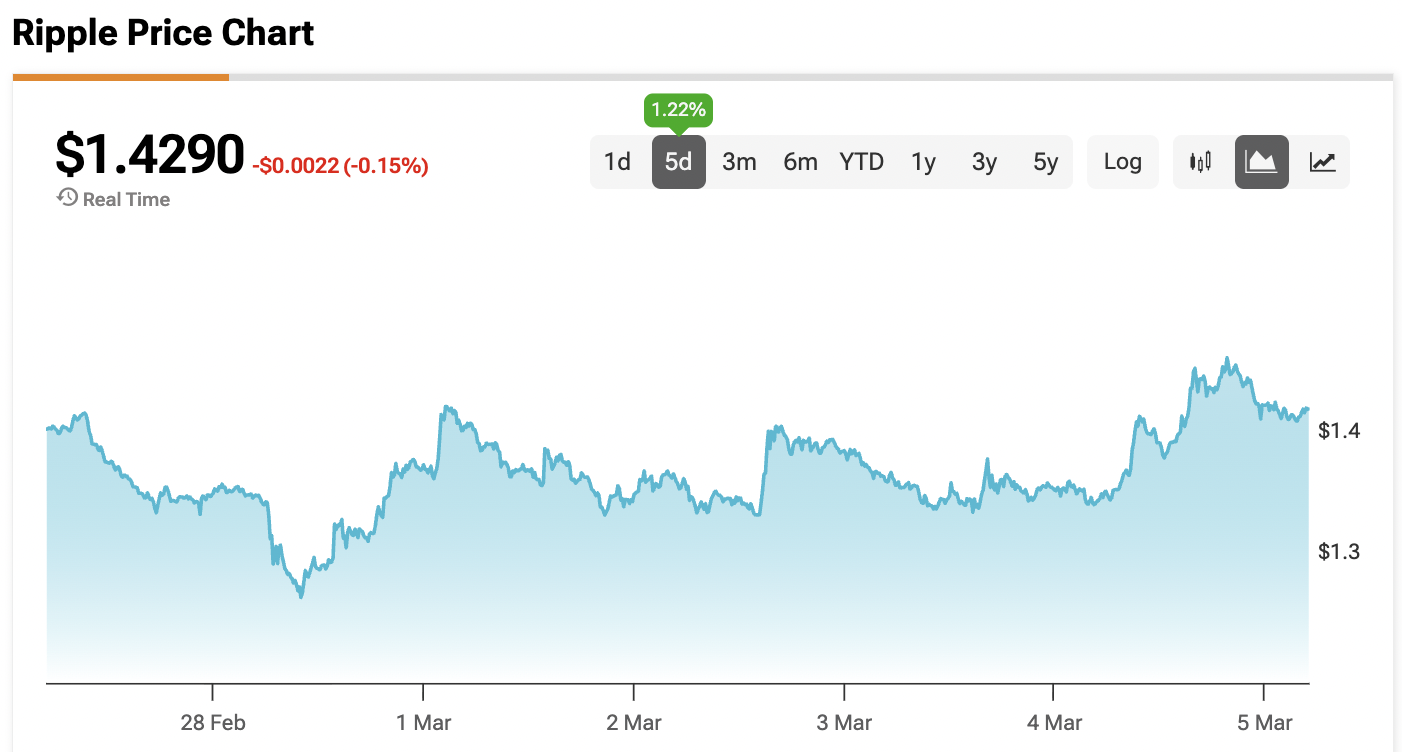
XRP Price Gains Ammunition as Middle East Conflict Sparks Demand for Fast Money
Tipranks·2026/03/05 05:27
A judge has directed U.S. Customs to issue refunds for unlawful tariffs imposed by Trump
101 finance·2026/03/05 05:00
SS&C's Raymond James 2026 Presentation: Assessing the Margin Expansion Thesis
101 finance·2026/03/05 04:54
Moderna’s $2.25 Billion Patent Settlement: Insider Stock Sales Under the Microscope
101 finance·2026/03/05 04:54
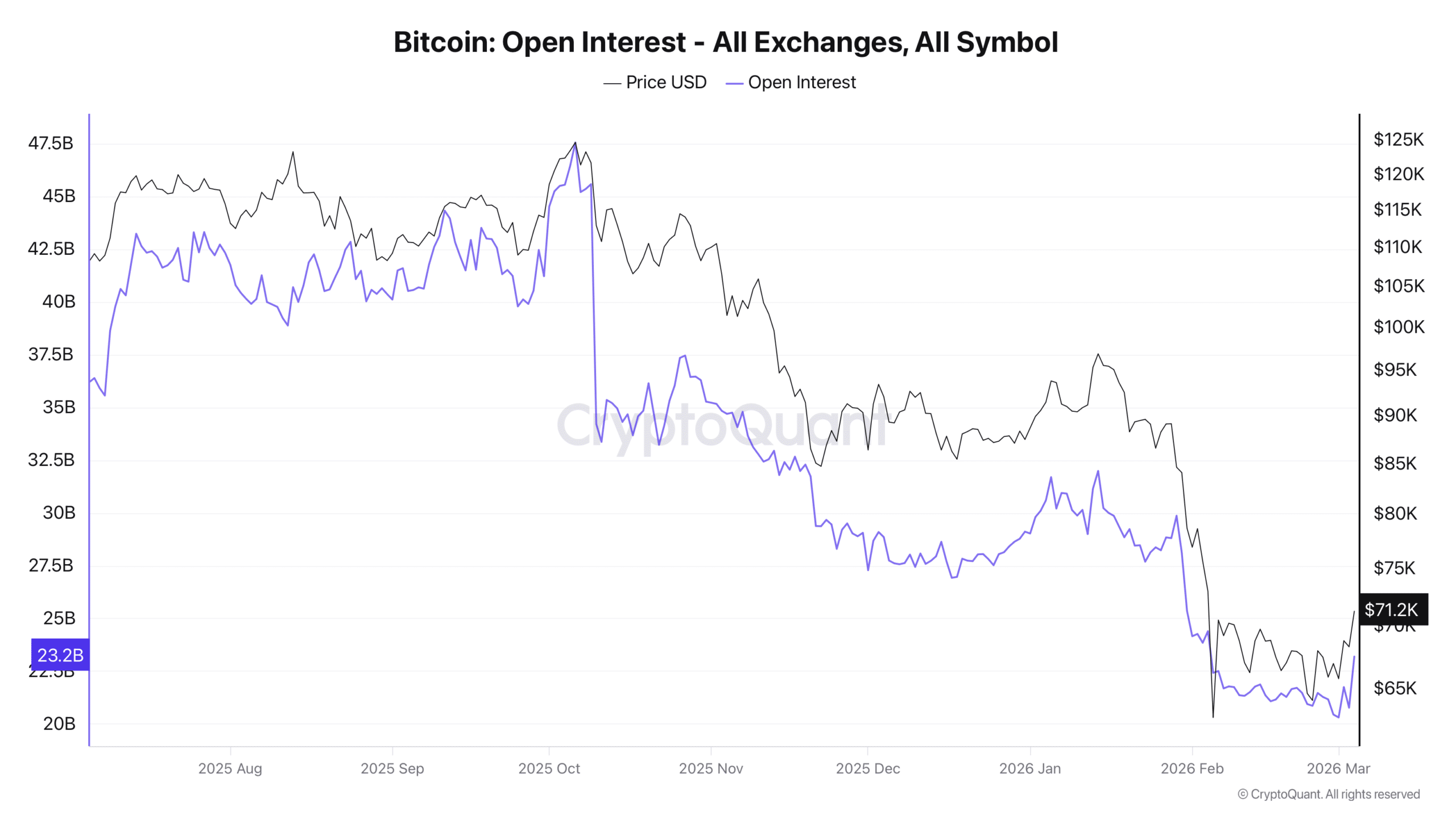
Bitcoin: Shorts still dominate BTC – But buyers are fighting back
AMBCrypto·2026/03/05 04:01
Big Tech Joins White House Energy Pledge as Iran Tensions Threaten Higher Costs
101 finance·2026/03/05 03:48
Flash
06:08
Barclays: The Bank of Thailand’s rate-cutting cycle may have ended, and interest rates are expected to remain at 1.0% for a long time.(1) Barclays economists have released a report stating that the Bank of Thailand's rate-cutting cycle may have ended. Unless the economic outlook deteriorates significantly, the Monetary Policy Committee is expected to keep the policy rate unchanged at 1.0% throughout 2027. (2) The economists added that policymakers may be concerned about inflation remaining too low for an extended period. The Bank of Thailand "currently does not seem overly concerned" about the potential oil price shock triggered by Middle Eastern conflicts. (3) Barclays analysis points out that the recent surge in oil prices is unlikely to have a substantial impact on Thai inflation. It is expected that for every $10 increase in crude oil prices, there will be only a moderate impact of about 0.2 percentage points on the Consumer Price Index.
05:58
Tron Inc. increases holdings by 175,251 TRX, total holdings exceed 684.9 millions TRXChainCatcher news, according to the official announcement, Tron Inc. acquired 175,251 TRX tokens at an average price of $0.29, bringing its total TRX holdings to over 684.9 millions.
05:55
Morgan Stanley: Asia May Turn to Coal to Address LNG Supply RisksGolden Ten Data reported on March 5 that Morgan Stanley analysts stated in a report that, in order to ensure uninterrupted power supply, Asian economies may consider coal as an important alternative energy source to liquefied natural gas (LNG). South Asia still has flexible coal-fired power capacity available, and the region has recently built some new coal-fired power plants. Analysts estimate that about 20% of Asia's electricity supply relies on LNG from the Middle East. Disruptions in LNG supply caused by the Iran conflict are crucial for the region's data centers and power grids. India and Thailand have the highest dependence on spot LNG, while utility companies in Malaysia and Indonesia may be relatively less affected by fuel supply issues. Rising LNG prices could widen the power price spread for efficient operators, especially in wholesale electricity markets such as the Philippines and Singapore.
News